
Best Fire Pits for Patios: The Space Reality
Best Fire Pit for Patio, that's what everyone types into Google, but here's the thing nobody tells you: your patio has a size. Your patio has a material. Your patio has a wind pattern that will make smoke follow you like a lost puppy no matter where you sit.
I've installed more fire pits in client backyards than I've attended campfires, and I've learned that the "best" pit is the one that fits the space you actually have, not the one in the marketing photos.
I've been testing fire pits on my own 12x14 patio and in client yards for fifteen years, and right now I've got five pits in the $689.99-$400 range sitting out through a Minnesota winter to see which ones survive. Spoiler: some are already showing surface rust, and it's only January.
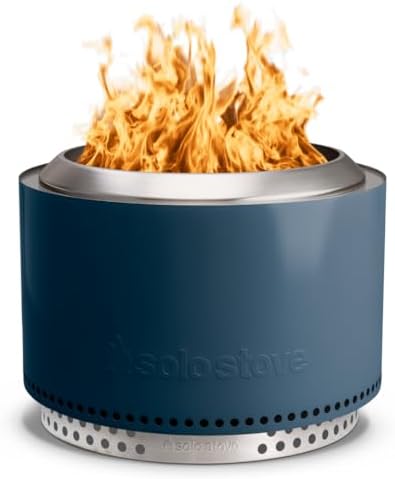
Solo Stove Yukon Amazon Exclusive Bundle | 27" Smokeless Wood Fire Pit
Throws heat at 6 feet, genuinely smokeless, survived 3 winters uncovered
Visit on Amazon →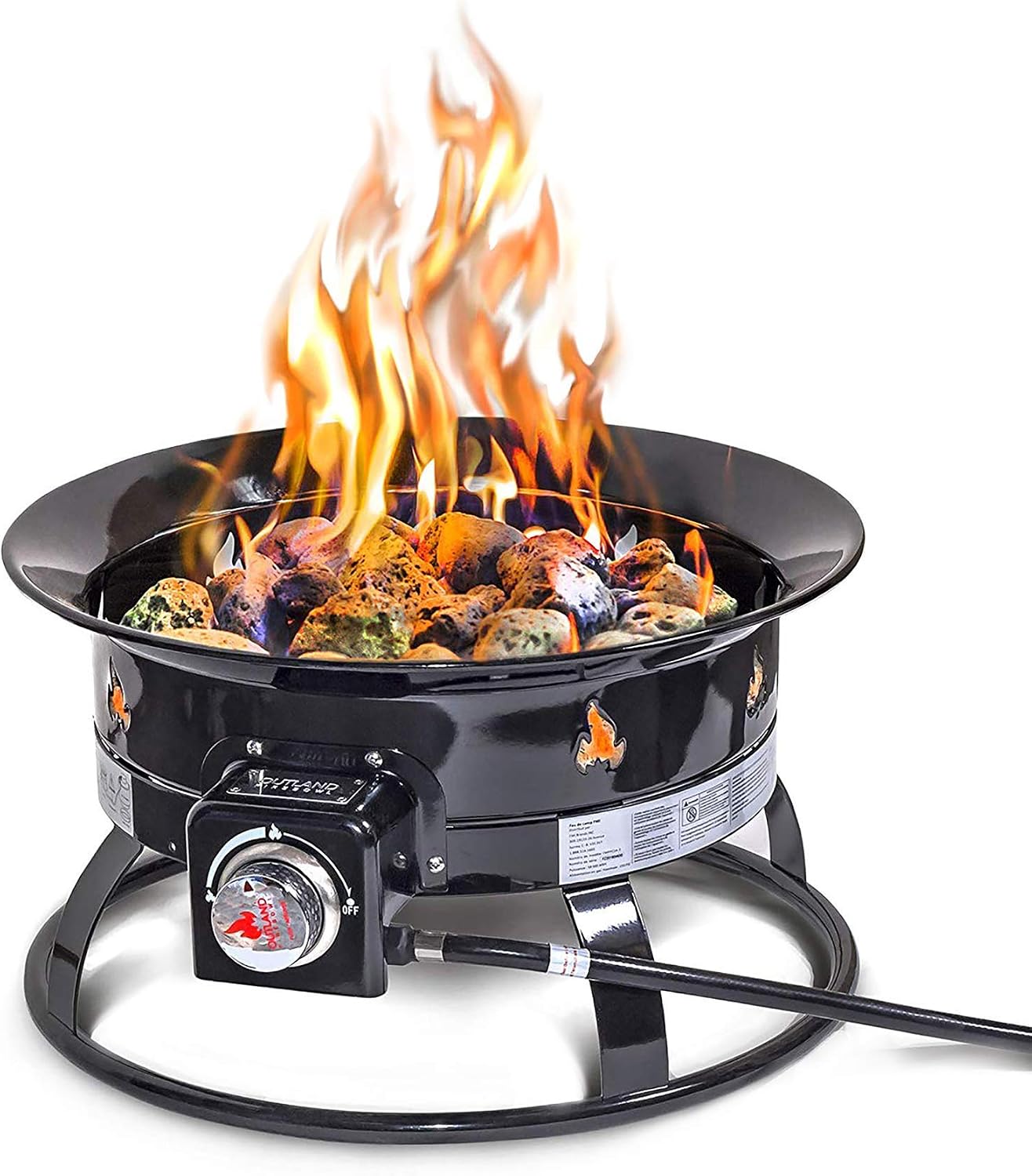
Outland Living Portable Propane Fire Pit, 19-inch, 58,000 BTU with Fire Pit Cover & Carry Kit, Smokeless Gas Firebowl | Perfect for Camping, Patio, Backyard, Tailgating, Deck, RV| Black 893 Deluxe
Heavy-gauge steel, outlives everything, great flame presence
Visit on Amazon →Outland Living Portable Propane Fire Pit, 19-inch, 58,000 BTU with Fire Pit Cover & Carry Kit, Smokeless Gas Firebowl | Perfect for Camping, Patio, Backyard, Tailgating, Deck, RV| Black 893 Deluxe
Outland Living is proud to introduce the new outland fire bowl Cypress; Optimized to provide the largest profile and still maintain easy lightweight portability. Lower profile increases the functional
Visit on Amazon →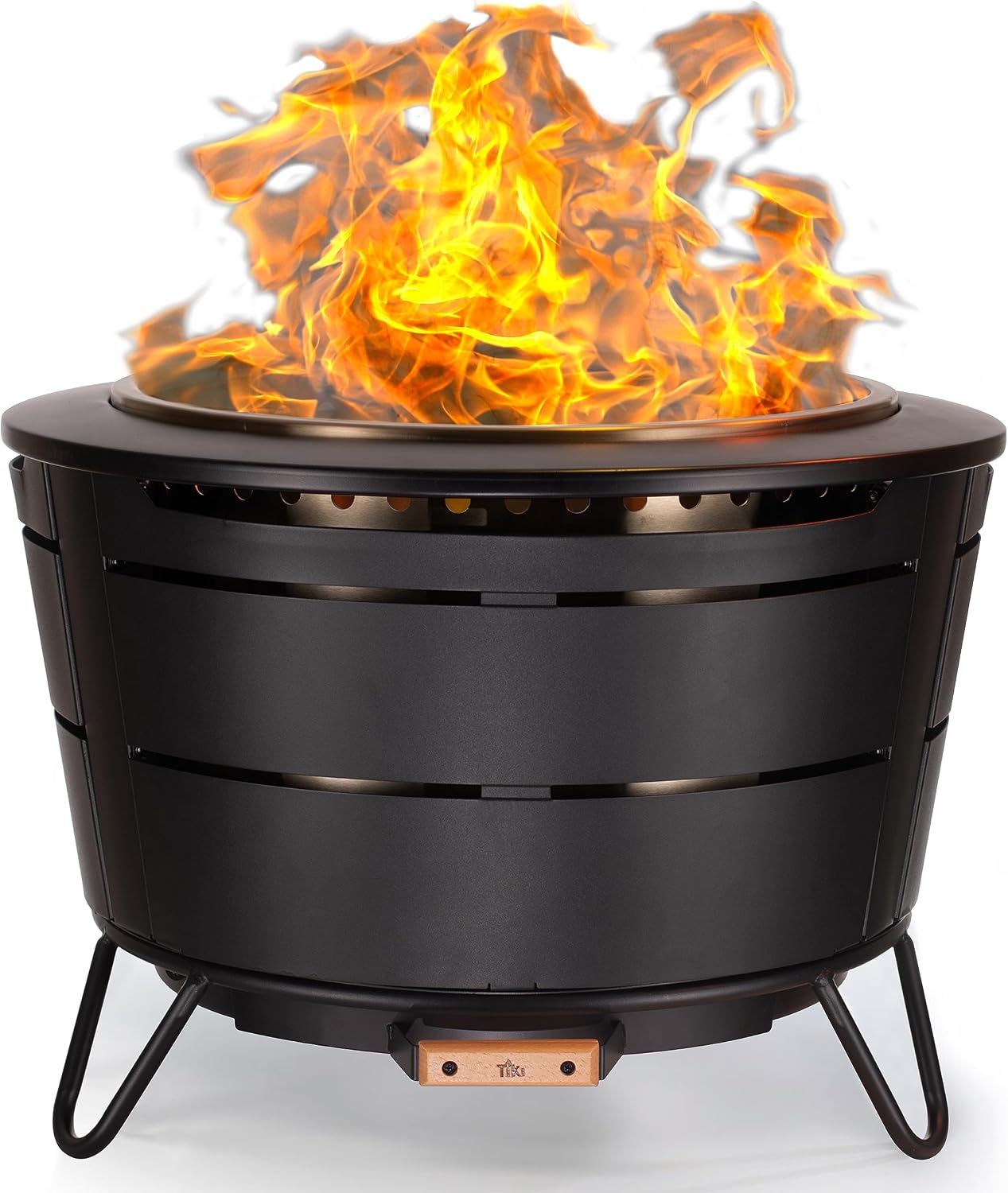
TIKI Reunion Smokeless Fire Pit, 27.5 in Wood Burning Fire Pit with Cover
Decent heat, looks good, easy assembly
Visit on Amazon →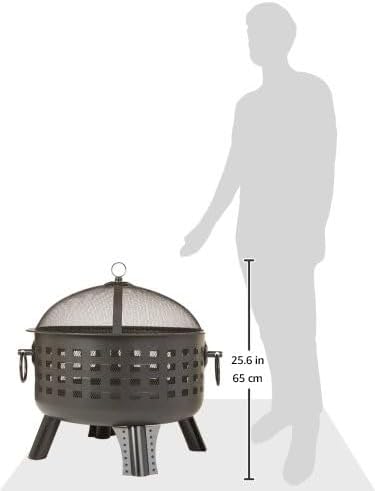
Amazon Basics 27 inch Steel Round Lattice Fire Pit, Easy to Assemble
Outland Living is proud to introduce the new outland fire bowl Cypress; Optimized to provide the largest profile and still maintain easy lightweight portability. Lower profile increases the functional
Visit on Amazon →How I Tested (and Why My Patio Looks Like a Disaster Zone)
I don't test pits for a weekend and write a review. I live with them. I burn through cords of wood, I leave them out in rain and snow, and I measure heat at two, four, and six feet with a cheap infrared thermometer I bought on Amazon. My dog Gus, a 65-pound lab mix, parks himself next to whichever pit is burning and refuses to move, so I've learned to read his tolerance as a heat gauge too.
Every pit in this list has been through at least one full season on my patio or a client's. Some have been through three.
The Solo Stove Yukon
Let me start with the problem: the stand is ~$70 extra. You're already spending ~$380 on the pit, and they want another ~$70 so it doesn't sit directly on your deck and scorch the wood. That's not a feature, that's an upsell.
But here's why I keep recommending it anyway. After three Minnesota winters sitting uncovered, the Yukon I own doesn't have a speck of rust. Not surface rust, not structural rust, nothing. The 304 stainless steel is the real deal, and the double-wall design genuinely eliminates smoke, not just reduces it.
I've had nights where I'm sitting six feet away and my eyes aren't burning. That's not marketing, that's physics.
The cone of heat is impressive too. At two feet, it's uncomfortably hot, you have to back up. At four feet, it's perfect. At six feet, you can still feel it on your face, which is more than I can say for most bowl-style pits that leave your shins toasty and your face cold.
The version I own is the 27-inch Yukon, and it's the right size for my patio. The 19-inch Ranger is too small for more than two people, and the 30-inch Bonfire 2.0 is overkill unless you're hosting a block party. Check your pit-to-person ratio before you buy.
Assembly is twenty minutes, out of the box and burning. Ash cleanup is a little annoying because you have to tip the whole unit to dump the ash pan, but it's manageable.
The Breeo X Series 24
The Breeo is the Cadillac of fire pits, and like a Cadillac, it's heavy. The 24-inch model weighs 62 pounds. I've hauled this thing across my patio and into client yards, and every time I'm reminded why I keep a furniture dolly in my shop.
But the weight is the price you pay for 10-gauge steel that will outlive me. I've had my Breeo for two years, and it's been through rain, snow, and a spring where I forgot to cover it and it sat full of water for three weeks.
Not a spot of rust. The fire bowl is solid, the legs are welded, not bolted, and the whole thing sits stable on uneven ground, which is more than I can say for some of the cheaper options.
The heat output is excellent, comparable to the Solo Stove, and the flame presence is better because the bowl is wider. You get more of that classic fire look, the crackle, the dancing flames, the whole deal. One buyer on Amazon from October said, "This is the best purchase I've made for my backyard in years," and I agree.
The downside, beyond the weight, is the price. At ~$349 for the base model, and then you need the cooking grate and the spark screen and the cover, you're pushing ~$500. But do the math: a ~$500 pit that lasts a decade is ~$0.14 a day. The ~$90 Amazon Basics that rusts out in five months is ~$0.60 a day. The cheap one costs more.
The Outland Living Fire Table 863
Gas pits are a different product with a different job, and the Outland Living is the one I've installed for clients who want the ambiance without the smoke in their hair. It's a 42-inch table with a 40,000 BTU burner, and it looks great on a patio, like a piece of furniture rather than a fire hazard.
The biggest complaint I've seen from buyers, and the one I've experienced myself, is the regulator freezing in cold weather. One verified purchase from December said theirs froze at 25°F, and mine did the same in November. If you're planning to use this pit year-round, you need to protect the regulator or accept that it'll quit on the coldest nights.
The other issue is the propane tank. You can see it from most angles, and it's ugly. I had one client who paid ~$500 for a gas fire table and then complained about the tank visibility every time we sat outside. If you're spending premium money, the manufacturer should hide the tank or at least make it less obvious.
But the convenience is real. No ash cleanup, no smoke, no sparks, no waiting for the wood to catch. You press a button and you have a fire. The heat is consistent, though not as intense as wood. At four feet, it's comfortable. At six feet, it's just barely warm.
My wife bought me a gas pit two years ago. It's beautiful. I still bought a ~$60 wood bowl for the crackle. Now I have two pits and she rolls her eyes every time I light the old one. That's the trade-off. If you want convenience, buy gas. If you want the primal thing, buy wood. Don't buy gas and complain about the silence.
The Tiki Fire Pit
The Tiki is the middle child of this list. It's not the best at anything, but it's decent at everything, and for ~$249, that's a reasonable deal.
The good news: the steel is thicker than the budget options, and the design is genuinely nice looking. It's got a modern, clean aesthetic that fits well on a contemporary patio. Assembly took me about 30 minutes, and everything lined up, which is more than I can say for some of the cheaper pits I've built.
The bad news: the smoke follow is real on this model. I've had nights where I moved my chair three times and the smoke still found me. It's not as bad as a cheap bowl pit, but it's not the smokeless experience the marketing suggests. The lid also doesn't sit flush, so it flaps in the wind and lets rain in.
The heat output is fine, not great. At two feet, it's warm. At four feet, you can feel it. At six feet, nothing. If you're planning to have more than three people around this pit, you'll be crowding in like penguins.
One buyer from July said, "Great value for the price, but don't expect Solo Stove performance." That's a fair summary. The Tiki is a good pit for someone who wants a decent fire on a budget and doesn't care about the smokeless hype.
The Amazon Basics Stamped Steel
I'm including this one because I see it in every "best fire pit for patio" search, and I need to tell you to stop.
I bought this pit three years ago as a ~$90 experiment, and it was a rust bucket by September. Not surface rust, structural rust. The legs wobbled, the bowl developed holes, and I dragged it to the curb before the first snow. The powder coating flaked off in the first month, which is the first step toward the end.
The heat output was fine for the first few weeks, and the assembly was easy, but none of that matters when the pit is garbage by the end of the season. One buyer from August said, "Bought in May, rusted by August. Do not waste your money." That's the pattern, not a one-off.
Do the math: a ~$90 pit that lasts five months is ~$0.60 a day. The ~$349 Breeo that lasts a decade is ~$0.10 a day. The cheap one costs six times more. Spend the ~$300 upfront or plan to buy twice.
What Actually Matters on a Patio
I don't track prices day to day, so I won't pretend to know next week's sales. But I know what matters when you're putting a fire pit on a patio, and it's not the brand name.
First, the surface. If you're putting a pit on a wooden deck, you need a heat shield or a pit with legs that keep the bowl elevated. I've seen decks scorched by pits that sat too close to the boards. If you're putting it on concrete or stone, you have more flexibility, but you still need to think about sparks.
Second, the size of the space. A 42-inch gas table on a 10x10 patio is going to dominate the space and leave no room for chairs. A 24-inch wood pit on a 20x20 patio is going to feel lost. Measure your space, then measure the pit, then check your pit-to-person ratio.
Third, the wind. Every patio has a wind pattern, and if you don't account for it, you'll spend the whole night chasing smoke. If your patio is exposed, buy a smokeless pit or a gas pit. If it's sheltered, you can get away with a cheaper wood pit.
Fourth, the cover. Nobody talks about this, but the cover often costs more than the pit in the long run. The ~$25 cover that flaps in the wind and traps moisture will destroy a good pit faster than leaving it uncovered. Spend the ~$60 on a cover that sits flush and fits snugly. It's the cheapest insurance you can buy.
My Honest Bottom Line
The Solo Stove Yukon is the best wood-burning pit for a patio if you can stomach the price of the stand. The Breeo is the best if you want something that'll outlive you and you don't mind the weight. The Outland Living is the best gas option if you want convenience and can handle the regulator issues on cold nights.
Skip the budget pits. Skip the "smokeless" knockoffs that just push the smoke sideways. Buy the heaviest steel you can afford and cover it properly. Your patio, your friends, and your eyes will thank you.