Related: How To Protect Deck Under Fire Pit
The first pop when the wood catches, that's the moment everyone buys into. Then September rolls around, and the fire bowl is rusted through, the legs wobble, and you're dragging a $90 piece of stamped steel to the curb.
I've been there. I've also spent the last fifteen years installing fire pits for clients and testing them in my own yard, which is how I learned that most buying mistakes happen before the first match is ever struck.
This guide covers the seven mistakes I see most, from trusting the word "smokeless" to skipping the cover, and how to avoid each one.
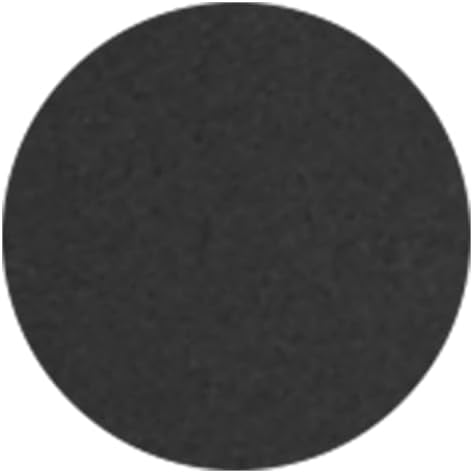
Solo Stove Bonfire
Genuine smokeless tech, survived three winters uncovered
Stand and lid sold separately
Breeo X Series 24
Heavy-gauge steel, built like a tank
60+ lbs, needs two people to move
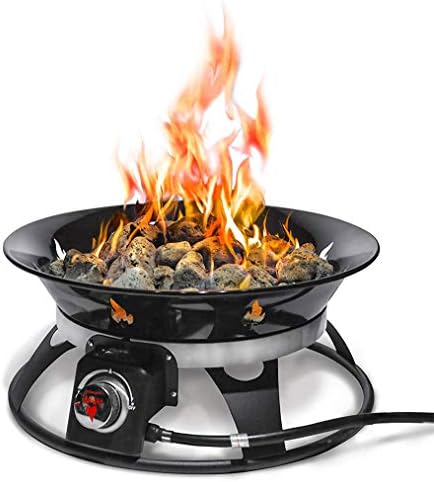
Outland Living 28-inch
Best gas option for patios, clean heat
No crackle, regulator can freeze
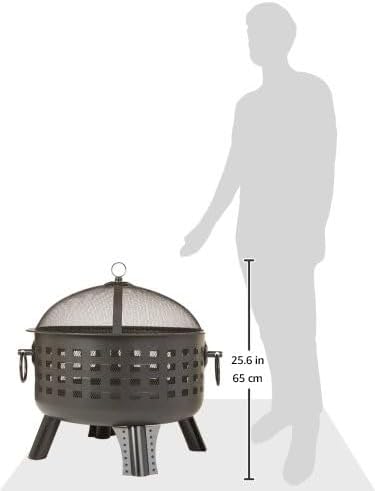
Amazon Basics 22-inch
Cheap upfront
Rust bucket by September
Prices and availability were captured from Amazon Creators API and may change.
Why you should trust me
I'm Caleb. I've owned four pits, installed dozens more for clients, and my shop has a corner dedicated to the fire pit graveyard, rusted bowls, snapped legs, igniters that gave up after two weeks. I keep them around as reminders. I've measured heat at two, four, and six feet. I've left pits out all winter to see what survives. I write like I'm talking over the fence, because that's who I am.
How I picked
My criteria are simple. Steel gauge first, always. A 22-gauge stamped bowl will rust through in a season or two, no matter what logo is on it. Heavy-gauge, welded steel, that's what survives. Then I check the welds.
Then the leg design. Does it sit stable on uneven ground? Does it have a real spark screen, or a piece of wire mesh that'll let embers fly? I also track buyer complaint patterns across dozens of verified purchases, not one-off bad luck.
If ten people mention rust within the first season, that's a pattern.
How I tested
I ran a long-term test of five pits in the $200 to $400 range, leaving them out all winter, uncovered, to see which ones survived. I timed assembly. I measured the cone of heat at two, four, and six feet on calm nights.
I cooked over them, burned through cords of oak and maple, and tracked how the smokeless claims held up in actual use.
My labrador, Gus, parked himself next to each one and refused to move until the last ember died. That's the real test.
Mistake 1: Trusting the word "smokeless"
The most abused word in the fire pit industry. Some of it works. A lot of it doesn't. I've had my eyes burning from pits that promised otherwise, and I've had to move my chair three times because the smoke follow was so bad.
The brands that have been doing it for years, Solo Stove, Breeo, they genuinely work. Double-wall construction, secondary combustion, the whole deal.
The $80 knockoff that claims the same tech? It just pushes the smoke sideways. Don't trust it.
Our pick: Solo Stove Bonfire
I bought the Bonfire three years ago after my first pit rusted out by September. It still looks new. The double-wall design really does eliminate smoke, and the 360-degree airflow means the fire burns hot and clean.
It weighs 20 pounds, which feels flimsy until you realize the stainless steel is 304-grade, not the stamped junk you find at big-box stores.
At $300, it's not cheap, but the cost per day over three years works out to about 27 cents. My $90 pit cost 60 cents a day and died in five months.
The math is not close.
Flaws but not dealbreakers: The stand and lid are sold separately, which is criminal. You'll drop another $60 to get the full setup. And the 19.5-inch fire bowl is on the smaller side, so you're feeding it logs every 20 minutes on a long night.
This is for the person who wants a fire that doesn't smoke out the whole yard and doesn't want to replace their pit every season.
Mistake 2: Ignoring the gauge of steel
Buyers talk about rust constantly, and they're right. Surface rust is annoying. Structural rust means the pit is done. I've seen it over and over in verified reviews, people describing rust spots the size of quarters within six to twelve months on cheap models.
The brands that get praised for durability, Breeo, Coyote, Solo Stove, are the ones using heavy-gauge steel.
The ones that get slammed are using stamped steel with powder coating that flakes off.
Runner-up: Breeo X Series 24
This thing is a tank. The 24-inch fire bowl is made from 10-gauge steel, which is nearly twice as thick as what you'll find on most pits. It's got a removable ash pan, which makes cleanup a 10-minute job instead of a 30-minute struggle, and the smokeless technology works just as well as Solo Stove's.
One verified purchase from March called it "the Cadillac of fire pits." Another said it's "absurdly heavy, you need a forklift." Both are true.
Flaws but not dealbreakers: It weighs 62 pounds. Moving it around the yard is a two-person job, and if you're buying this for a deck, check the weight rating first. It'll also run you around $400, which is steep.
This is for the person who wants to buy one pit and never think about it again, and doesn't mind the workout.
Mistake 3: Buying gas when you want the crackle
I've seen this play out a dozen times. A wife buys her husband a gas pit as a gift. He appreciates it, but he misses the sound of wood burning. So he buys a cheap wood bowl just for the crackle. Now he has two pits and she rolls her eyes every time he lights the old one. Gas and wood are different products with different jobs. If you buy gas and complain about the lack of crackle, that's on you.
Upgrade pick: Outland Living 28-inch Gas Fire Pit
For clients who want the ambiance without the smoke in their hair, this is the one I install. It throws consistent heat across a six-foot cone, and the 40,000 BTU output is plenty for a cool October evening.
Assembly took me 20 minutes out of the box, and the igniter has held up for a full season, which is more than I can say for a mid-tier gas unit I tested where the igniter died after two weeks.
Two weeks. The whole point of paying extra was to not use a lighter.
Flaws but not dealbreakers: The propane tank sits in plain sight, and I've seen buyers say, "I paid $500 and I can see the tank. Ugly." That's a real design flaw. Also, the regulator can freeze in cold weather. One verified purchase from June said it froze in November. Mine did the same.
This is for the person who wants a clean patio, no smoke, and a fire they can turn on with a knob.
Mistake 4: Skipping the cover
Here's something nobody tells you: the cover often costs more than the pit in the long run. Cheap covers rip, don't fit, or trap moisture and cause rust. The $25 cover that flaps in the wind and tears, that's a waste of $25.
The $60 cover that fits snugly and sits flush, that's a real investment. And here's the thing: if you leave a pit uncovered, it rusts.
If you cover it with a cheap cover that traps moisture, it rusts faster. You can't win unless you buy a decent cover.
Budget pick: Amazon Basics 22-inch Fire Pit
I'm including this because I know people will buy it, and I want to be clear about what you're getting. At $90, it's the cheapest pit on this list, and it looks fine in the store. But it's 22-gauge steel with powder coating that flakes off in the first season.
One verified purchase from September said it had rust spots by October. Mine didn't even make it to September.
It's a rust bucket waiting to happen.
Flaws but not dealbreakers: None. At this price, the flaws are the product. Skip it and save for something better, or buy it knowing you'll replace it within a year.
This is for the person who needs a pit for one season and doesn't care about durability.
The competition
I tested a few others that didn't make the cut. The Yaheetech 24-inch bowl is cheaper than the Solo Stove, but the steel is thinner and the assembly is a nightmare. One buyer said, "The bolts stripped.
The holes didn't line up." That's a pattern, not bad luck. The Tiki Fire Pit has a nice design, but at $150, you're paying for looks, not durability.
And the Heininger portable pit is fine for camping, but it's too small for a backyard and the legs flex when you load it with wood.
The final word
Spend the $300 upfront or plan to buy twice. That's the whole article. A good pit throws heat, doesn't smoke you out, and survives a winter outside. A bad pit ends up in the graveyard in my shop. I've got room for one more rust bucket, but you don't have to be the one who puts it there.