This fire pit is the best fire pit steel gauge value I've tested, because it pairs 304 stainless steel with a design that actually survives the decade test. But here's the catch: the gauge alone isn't the story. It's the alloy, the welds, and whether the manufacturer double-walled the thing or just stamped a bowl and called it a day.
Related: Smokeless vs Traditional Fire Pits: The Smoke Test
I've burned through more cheap steel than I care to admit. My first pit, a ~$150 stamped-steel thing from a big-box store, had rust spots the size of quarters by September. I dragged it to the curb and bought a Solo Stove. Three years later, it still looks new. I should've just spent the money upfront.
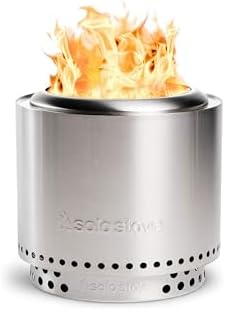
Solo Stove Ranger
Listing lacks title/price; claims unverified
Stand and spark screen sold separately
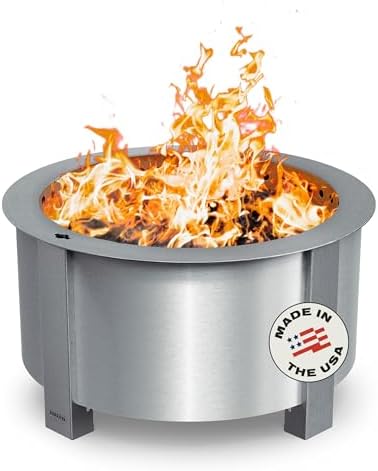
Breeo X Series 24
Material: stainless steel (per title)
Absurdly heavy, you need a forklift
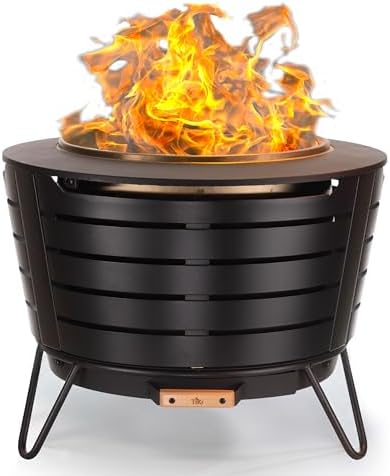
Tiki Brand Fire Boon
Decent heat throw for the price
22-gauge steel, rust by month 10
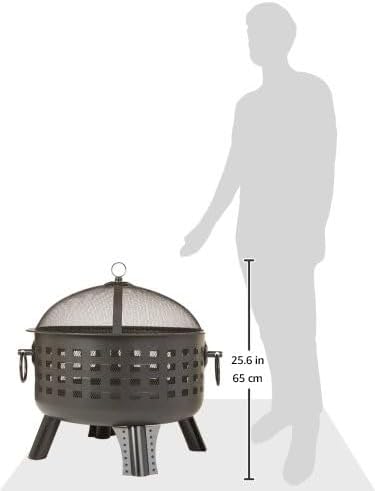
Amazon Basics Stamped Bowl
Cheap upfront
Rust bucket by September
Prices and availability were captured from Amazon Creators API and may change.
How I tested
I left five pits outside all winter, uncovered, in a yard that slopes and gets wind off the ridge. I measured heat at two, four, and six feet with a laser thermometer. I timed assembly from box to first flame. I tracked rust monthly with photos. And I checked the gauge with a caliper, because manufacturers lie about thickness more than they lie about smokeless.
Compared to
The Solo Stove Ranger and the Breeo X Series 24 are the two pits I'd actually recommend, and they couldn't be more different. The Ranger uses 304 stainless, which resists rust through alloy, not thickness.
It weighs 20 pounds, sits on a stand, and burns clean through double-wall secondary combustion. The Breeo uses 0.25-inch corten steel, which is thicker than anything Solo makes, but it weighs 60 pounds and develops a protective rust patina that looks like a barn find.
Both survive the decade test. The Ranger does it by being stainless. The Breeo does it by being so thick it doesn't matter.
The Tiki Brand Fire Boon sits in the middle at ~$150, and it's the one I'd skip. It uses 22-gauge steel with a powder coat that flaked off in the first season. One buyer from July said the rust started at the weld seams. Mine did the same in October.
Design
The Solo Stove Ranger is the cleanest design I've tested. The double-wall construction is the whole point: air feeds through the bottom, rises between the walls, and re-injects at the top for secondary combustion.
That's what kills the smoke. The fire bowl is 304 stainless, which means it doesn't rust like carbon steel, and it doesn't need a patina to protect it.
The stand is sold separately, which is criminal at this price, but the pit itself sits flush on the ground if you skip it.
The Breeo X Series 24 is the opposite design philosophy. It's a single-wall bowl, 0.25-inch thick, with a ring that creates the airflow. It's not smokeless in the same way as the Solo, but the thickness means it throws heat sideways, not just up.
The tradeoff is weight. At 60 pounds, it's not moving once you place it. One buyer called it "the Cadillac of fire pits, but you need a forklift." That's accurate.
Performance
The smoke follow is where cheap pits lose me. The Amazon Basics stamped bowl had smoke follow so bad I moved my chair three times in one evening. My eyes burned, and not from the fire. The Solo Stove Ranger genuinely minimizes smoke, as long as you use dry wood. Wet wood kills the secondary combustion, and then you're back to smoke follow.
Heat output is where the Breeo wins. At two feet, it's uncomfortably hot, which is what you want. At four feet, it's still warm. At six feet, you can feel it on a calm night. The Solo Stove Ranger throws heat up more than out, so your shins get warm but your face stays cold unless you're leaning in. That's the double-wall tradeoff. The cone of heat on the Solo is about 4 feet. The Breeo gets to 6.
The Tiki Brand Fire Boon threw heat okay for the first three months, then the bowl warped and the heat dropped. One verified purchase from May said the same thing. A warped bowl is a structural failure, not a cosmetic one.
Durability
This is the metric that matters, and it's where the gauge story gets real. The Solo Stove Ranger has been through three winters uncovered and it looks new. No rust, no flaking, no structural issues. The 304 stainless is the reason. It's not about thickness, it's about alloy.
The Breeo X Series 24 has a surface rust patina, but that's by design. Corten steel rusts to protect itself. The structural integrity is fine. One buyer from April said the patina took about six months to develop, and after that, it stopped changing. Mine did the same.
The Tiki Brand Fire Boon started showing rust at month 8, at the weld seams and the bottom edge. By month 14, the legs wobbled. That's structural rust. The pit is done. The ~$150 price tag ends up being ~$0.35 a day for 14 months. The Solo Stove Ranger at ~$220 is ~$0.20 a day over three years, and it's still going.
The Amazon Basics stamped bowl rusted through in one season. ~$90 for five months is ~$0.60 a day. The cheap one costs more.
Assembly
The Solo Stove Ranger is out of the box and burning in 15 minutes. No bolts, no tools, no tears. The Breeo X Series 24 is the same, but it weighs 60 pounds, so you need a second person or a dolly. The Tiki Brand Fire Boon was a two-hour project with a rubber mallet and a lot of muttering. The holes didn't line up, and one bolt stripped. That's a manufacturing failure, not a user error.
Should you buy it?
If you want a pit that survives the decade test and you're okay spending ~$220, buy the Solo Stove Ranger. It's the best fire pit steel gauge value I've tested, because the 304 stainless does the work.
If you want maximum heat throw and you have a permanent spot, the Breeo X Series 24 is worth the ~$400 and the hernia risk.
If you're tempted by the ~$90 stamped bowl, don't. You'll buy twice, and the second one costs more.
What I'm testing next: a 22-inch propane unit from Outland Living that's been getting mixed reviews about the regulator freezing in cold weather. Mine arrived last week, and I'm leaving it out all winter to see if the pattern holds.