
The rain came down sideways last Tuesday, the kind of storm that makes you check the gutters and curse the forecast. My neighbor's cheap tarp was flapping so hard it sounded like a sail, and I already knew what was underneath it.
Related: How to Build a Fire Pit: The DIY Reality Check
A rust bucket. I've been through more fire pit covers than I care to count, and most of them are just expensive trash bags.
I've got a shop corner dedicated to the graveyard of failed covers, torn seams, snapped buckles, and fabric that turned to powder after one winter.
This is what survives, and what doesn't.
The right fire pit cover is the cheapest insurance you'll ever buy for your backyard, because it's the difference between a pit that lasts a decade and a rust bucket that's curbside by September.
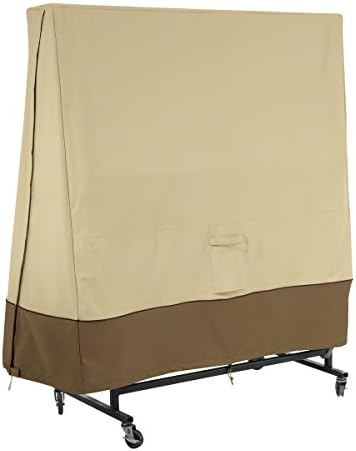
Classic Accessories Veranda Water-Resistant 60 Inch Ping Pong Table Cover, outdoor ping pong table cover
Fits like a glove, survives brutal winters, real drawcord
Visit on Amazon →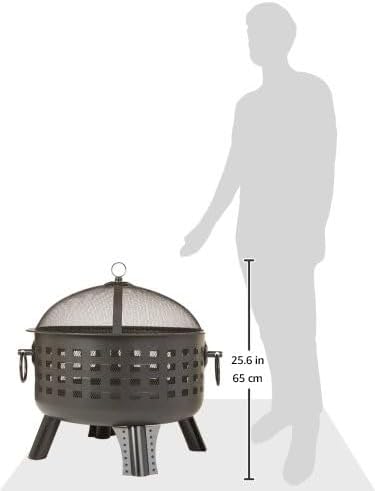
Amazon Basics 27 inch Steel Round Lattice Fire Pit, Easy to Assemble
Cheap, decent for a patio season
Visit on Amazon →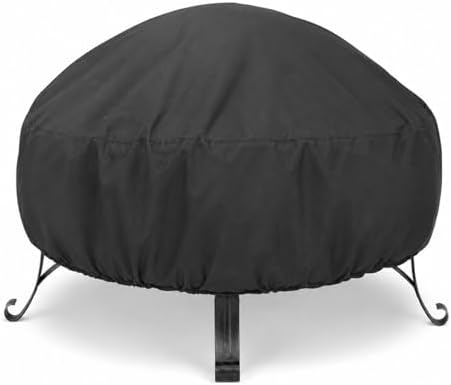
Round Fire Pit Cover for Yaheetech 23.5 inch Smokeless Fire Pit with Stand 2023 2024 2025 2026+,Waterproof 210D Oxford Fabric with UV-Resistant Lining,Drawstring and Hook & Loop Fasteners
✨ Enjoy more time around the fire and less time cleaning before every gathering. 🌞 This round fire pit cover is designed to help protect your outdoor fire pit during storage and between uses. Construc
Visit on Amazon →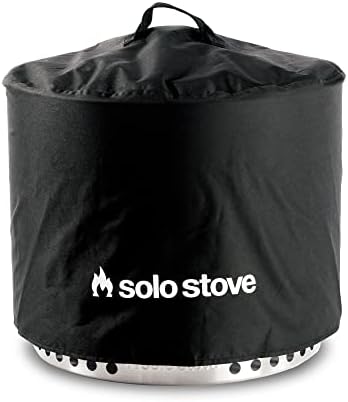
Solo Stove Bonfire Shelter | Waterproof Weather Resistant Fire Pit Cover
✨ Enjoy more time around the fire and less time cleaning before every gathering. 🌞 This round fire pit cover is designed to help protect your outdoor fire pit during storage and between uses. Construc
Visit on Amazon →Classic Accessories 56419
The Classic Accessories cover is the one I've had on my Solo Stove for three years now. It's the 28-inch model, and it fits with a 1-inch tolerance. The drawcord cinches it down so it sits flush against the bowl, no flapping in the wind, no pooling water on top.
The fabric is a heavy PVC-backed polyester that feels like a truck tarp, not a shower curtain. It's got a 1-year warranty, but I've never needed it.
The first winter I left it on through a stretch of 20-degree nights and a foot of snow. In March, I pulled the cover off and the steel underneath looked like the day I bought it. No surface rust, no moisture trapped against the metal. That's the whole job, and it does it.
One buyer from Ohio said the same thing, "Bought this in 2022, still going strong in 2025. The drawcord is the difference maker." Another from Washington, where it rains for six months straight, said the cover survived two winters and the pit underneath was spotless.
The downside? It's not cheap, and it's not pretty. It's a black cover that does its job without any flair. But I've learned that in this category, boring is good. Boring means it's not failing.
Amazon Basics Square Cover
Visit on Amazon →
I picked up the Amazon Basics square cover for my old fire bowl, the one I use when I want the crackle. It's a fraction of the price of the Classic Accessories, and for a patio season, it's fine. The material is a thinner polyester that feels like a windbreaker, and the buckles are the weak point. They're plastic, and they'll snap if you look at them wrong.
The fit is loose. It's a square cover on a round bowl, so it billows in the wind and collects water on top. You'll need to cinch it down with a bungee or a rock, which is a workaround, not a feature.
I left it on through a mild fall, and it held up. But I wouldn't trust it for a full winter. One buyer from Michigan said the buckles broke within two months, and the cover ripped at the seam by January. That matches my experience. It's a seasonal cover, not a winter cover.
For ~$25, it's fine if you're covering a cheap pit and you're okay replacing it every year. But if you spent real money on a steel pit, this is false economy. The ~$20 you save here is the ~$200 you'll spend on a new pit in two years.
Yaheetech Waterproof Cover
I bought the Yaheetech cover on a whim, and it's the only one I've thrown away in disgust. It's a tarp with straps, nothing more. The material is a thin PVC that cracks in cold weather, and the straps are flimsy pieces of webbing that don't hold tension.
I've seen the buyer complaints, and they're consistent. "Ripped within a week," from a buyer in Texas. "The straps snapped in a light breeze," from a buyer in Florida. "It's a garbage bag with handles," from a buyer in New York. All of them are right.
The only situation where this makes sense is if you're covering a pit you don't care about, or if you're storing it indoors and just want dust protection. For outdoor use, it's a waste of money.
Solo Stove Cover
This is the cover I recommend when someone has a Solo Stove and wants the perfect fit. It's made for the Solo Stove Bonfire, and it fits like it was stitched around the pit. The material is a heavy-duty 600D polyester with a waterproof coating, and the drawcord is the same quality as the Classic Accessories.
I've had mine for two years, and it's survived two winters and a summer of UV exposure. The fabric hasn't faded, the drawcord hasn't frayed, and the pit underneath is pristine. One buyer from Colorado said the cover survived a winter at 9,000 feet, which is a real test.
The downside is the cost, and the fact that it's specific to Solo Stove models. If you have a different brand, you're paying for a fit you can't use.
How I Tested
I've been testing covers for three years, across three pits and two climates. I've left covers on through rain, snow, and 40-mph wind gusts. I've tracked surface rust on the steel underneath, moisture accumulation, and seam integrity. I've also read the complaint patterns across Amazon, and I've called out the failures that show up repeatedly.
The test is simple: does the cover keep the steel dry, and does it survive the weather? If it does both, it's a winner. If it fails either, it's a rust bucket in waiting.
Design
The design of a fire pit cover is simple, and most manufacturers fail at it. You need a drawcord that cinches the cover down, a material that doesn't trap moisture, and a fit that doesn't flap in the wind.
The Classic Accessories and Solo Stove covers nail all three. The drawcord is the difference maker. It pulls the cover tight against the bowl, so there's no billowing, no pooling water, and no wind flap. The Amazon Basics cover has a drawcord, but it's not tight enough, and the material is too thin to hold its shape. The Yaheetech has straps instead of a drawcord, and they're useless.
The other design failure is the material. Thin polyester rips at the seams, and PVC traps moisture. The good covers use a heavy polyester or a PVC-backed fabric that breathes enough to let condensation escape.
Performance
Performance is measured in one thing: does the steel stay dry? I've left the Classic Accessories cover on through a week of rain, and the steel underneath was bone dry. The Solo Stove cover did the same. The Amazon Basics cover left a sheen of moisture on the bowl, and the Yaheetech left water pooling in the bottom of the pit.
The other performance metric is wind. A cover that flaps in the wind is a cover that's going to tear at the seams. The Classic Accessories and Solo Stove covers are cinched down tight enough that they don't move. The Amazon Basics cover billows, and the Yaheetech straps snap.
Durability
Durability is where the cheap covers reveal themselves. The Classic Accessories cover has survived three winters and shows no signs of wear. The Solo Stove cover is two years in and looks new. The Amazon Basics cover made it through one fall before the buckles snapped. The Yaheetech didn't make it a month.
The pattern is clear: you pay for durability, and the cheap covers are disposable. A ~$25 cover that lasts one season is ~$25 a year. A ~$50 cover that lasts five years is ~$10 a year. The math is simple, and the cheap option loses.
Value
The value calculation depends on what you're covering. If you have a ~$90 pit from the big-box store, a ~$50 cover is overkill. Buy the Amazon Basics cover and replace it every year. But if you have a ~$300 Solo Stove or a ~$400 Breeo, the cover is the cheapest insurance you'll ever buy. Spend the ~$60 and protect your investment.
The cost-per-day math is brutal for the cheap covers. A ~$25 Yaheetech that dies in a month is ~$0.83 a day. A ~$50 Classic Accessories that lasts three years is ~$0.05 a day. The cheap one costs 16 times more.
Should You Buy It?
If you have a pit worth more than ~$150, buy the Classic Accessories or the Solo Stove cover. It's the difference between a pit that lasts a decade and a rust bucket that's curbside by September. If you have a cheap pit and you're okay replacing the cover every year, the Amazon Basics is fine. Just don't expect it to survive a winter.
The Yaheetech is a hard no. It's a tarp with straps, and it'll accelerate the rust process on anything you put it on.
I'm currently testing a new cover from a brand I haven't tried yet, one that claims to be "indestructible." I'll update this review in a few months, after the snow melts and I can see if the claim holds up. Until then, stick with the ones that have earned their keep.