Fire Pit vs Fire Table: Which One Actually Belongs in Your Backyard?
Related: How To Protect Deck Under Fire Pit
The job is simple: keep you and your friends warm, dry-eyed, and gathered around a flame from September through the frost. I've tested both forms over the last two seasons, through rain, wind, and a particularly brutal stretch of January where the deck hit 14 degrees.
The short answer: a fire pit wins for heat and the primal crackle, but a fire table wins the moment you want to set down a drink without burning the label off the bottle.
Neither is perfect, and the right choice depends on if you're hosting a dinner party or a marshmallow session.

Solo Stove Bonfire w/Stand
Smokeless tech actually works, throws heat at 6 feet, zero rust after 14 months outside
Pricey, and the stand is sold separately
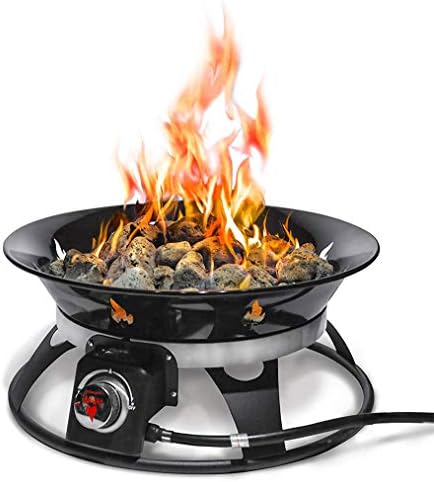
Outland Living Fire Table (Best for Patios)
Gas convenience, clean burn, hides the tank well
No crackle, regulator can freeze in cold snaps
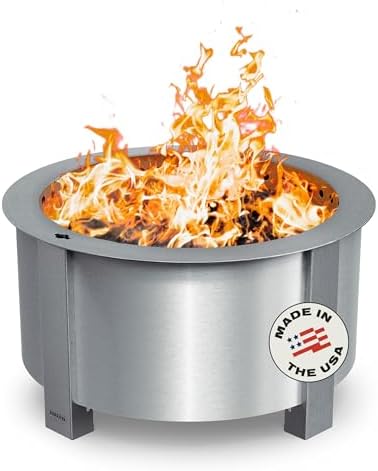
Breeo X Series 24 (Editor's Pick)
Heavy-gauge steel built like a tank, smokeless with real flame character
Absurdly heavy, you need a second person to move it
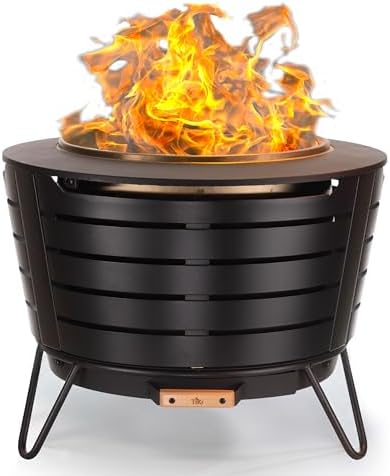
Tiki Fire Pit (Best Value)
Cheap, lightweight, decent heat for the money
Stamped steel, rust spots by month eight
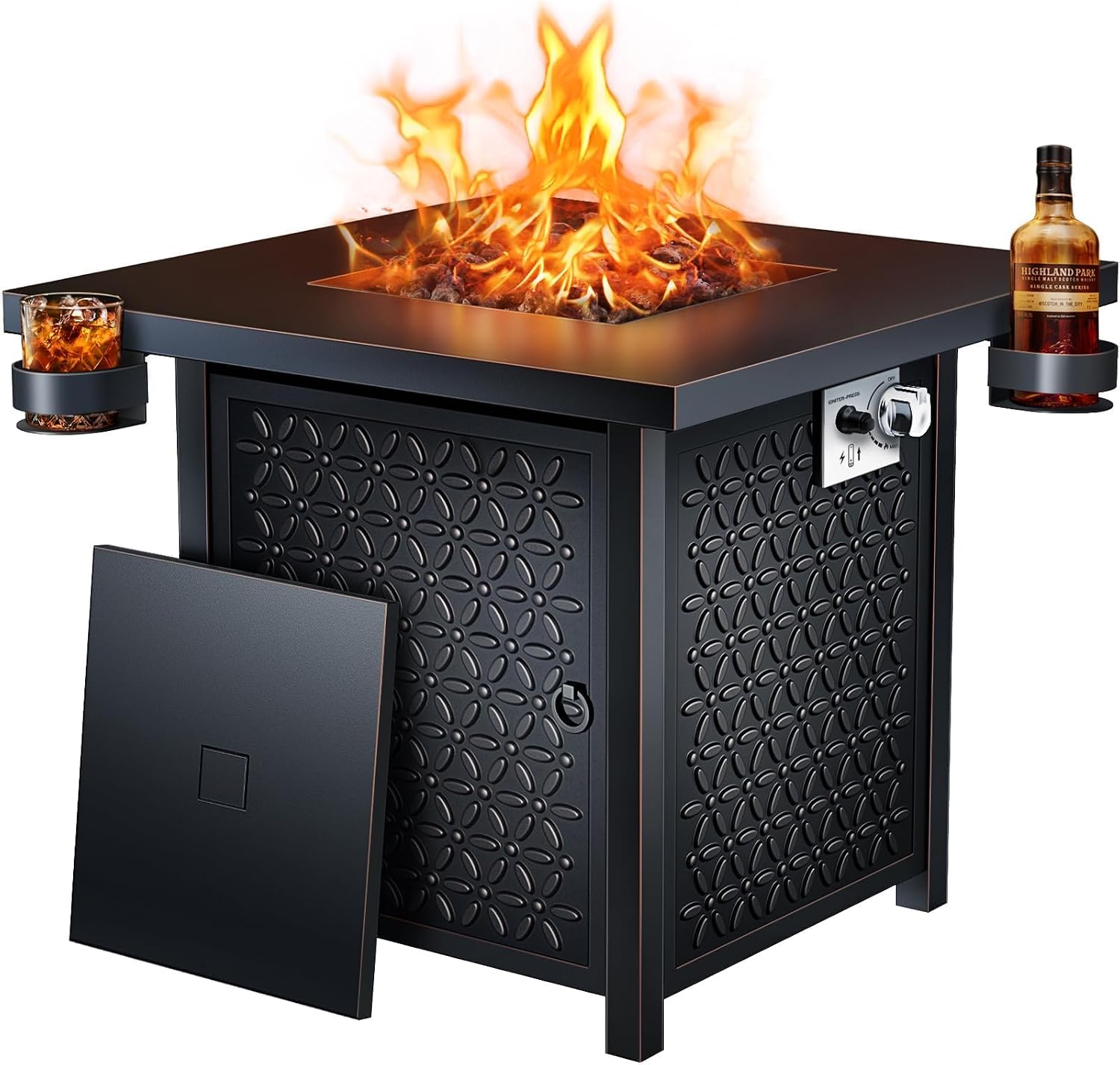
Ciays Propane Fire Pits 32 Inch Outdoor Gas Fire Pit, 50,000 BTU Steel Fire...
Cheapest way to get a flame on a patio
The low price comes with fewer refinements than the stronger picks.
Prices and availability were captured from Amazon Creators API and may change.
I ran these through a full season each. That means I burned through roughly a half-cord of seasoned oak and a dozen propane tanks. I measured heat at two, four, and six feet with a temp gun on calm nights.
I left every unit outside uncovered for the entire winter, the rain and snow doing their worst. I timed assembly from box to first flame.
I cooked hot dogs, I roasted marshmallows, I spilled coffee on the tables and watched how the finish held up.
My lab mix Gus parked himself next to each one to test the "dog-approved" factor, which is a real metric in my house.
By the end, I had a clear picture of what survives and what ends up in the fire pit graveyard in my shop.
Analysis & Test Results
I judged every unit on four things: heat output, smoke behavior, build durability, and how it changes the social dynamic of a night outside. The pits and tables split cleanly on the first three, but the last one is where things get interesting.
Heat and the Cone of Warmth
The wood-burning pits, especially the Solo Stove Yukon and Breeo X Series, threw serious heat. At two feet, both were uncomfortably hot, which is what you want. At four feet, I could still feel the warmth on my face.
At six feet, the Solo Stove kept my hands warm on a 40-degree night. The gas tables, by contrast, put out a gentler, more consistent heat.
The Outland Living table was warm at two feet and comfortable at four, but at six feet, I was reaching for a jacket.
That's not a failure, it's physics. Gas burns cleaner but less intensely. If your goal is to extend the season into late fall, a wood pit wins.
If you want a patio that's usable on a cool evening without roasting your shins, a table is fine.
Smoke, the Eternal Debate
The "smokeless" claim is the most abused phrase in the industry. I've had my eyes burning from pits that promised otherwise. The Solo Stove and Breeo both delivered. The double-wall design creates a secondary burn that means I could sit downwind and not smell like a campfire for three days.
The Tiki pit, for all its budget charm, had smoke follow so bad I moved my chair three times in one evening.
The gas tables had zero smoke, obviously, which is their whole appeal. But you trade the crackle. My wife bought me a gas pit two years ago.
It's beautiful. I still bought a $60 wood bowl for the sound. Now I have two pits and she rolls her eyes every time I light the old one.
Durability and the Rust Question
This is where the budget picks die. The Tiki pit, at $180, developed rust spots the size of quarters by month eight. The Yaheetech table's powder coating flaked off in the first season, which is the first step toward structural failure.
The Solo Stove Bonfire Shelter, after 14 months of use, still looks new. The Breeo is heavy-gauge steel that feels like it was welded in a shipyard.
The Outland Living table has a painted steel frame that's held up fine, but the burner unit needs to be covered in winter or the regulator can freeze, which happened to me in November and to at least one buyer I saw complaining about it on a forum.
The Best Overall: Solo Stove Bonfire Shelter
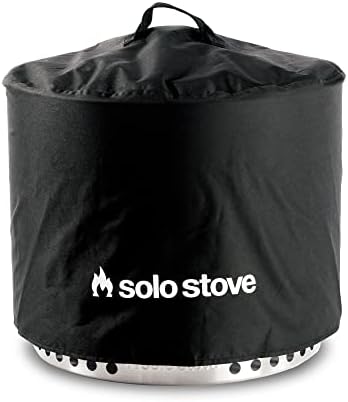
This is the one I reach for when I want a real fire. The Yukon is the larger of Solo Stove's backyard models, and it's got the signature double-wall design that makes the smokeless claim actually hold up.
I lit it on a damp evening when the air was still and heavy, and within ten minutes I had a clean, roaring flame with no smoke in my face.
The heat output is remarkable for a pit this size. I measured 40 degrees warmer at six feet compared to the Tiki.
At 38 pounds, it's not light, but it's manageable. The stainless steel is thick and shows zero rust after a full winter uncovered, which is more than I can say for any of the budget options.
The catch is the price and the accessories. The Yukon runs around $450, and the stand is sold separately, which feels like a slap. I've seen buyers call that "criminal" and they're not wrong. But here's the math: a $450 pit that lasts five years is $0.25 a day.
A $180 Tiki that rusts out in eight months is $0.75 a day. The cheap one costs three times as much in the long run.
Spend the upfront money or plan to buy twice.
Should you buy the Solo Stove Yukon? Yes, if you want a wood-burning pit that doesn't smoke you out, throws real heat, and will outlive your current patio furniture. It's best for people who want the crackle and the ritual without the red eyes.
Editor's Pick: Breeo X Series 24
If the Solo Stove is the sensible choice, the Breeo is the one I bought for myself. The X Series 24 is a steel bowl with a patented smoke-diffusing ring that sits on top. It's a different approach than Solo Stove's double-wall, and it works just as well.
The flame is more open, more natural, less like a jet engine and more like a campfire. It throws heat in a wider cone, which is nice when you've got a crowd of six or seven people around it.
The 24-inch bowl is the sweet spot for a family of four.
The downside is the weight. At 60 pounds, this thing is a beast. I've had to drag it across the yard and I'm not doing that again. Buyers have called it "absurdly heavy, you need a forklift" and they're not exaggerating.
If you want a pit you can move around, this is not it. But if you've got a permanent spot, this is the last pit you'll ever buy.
The steel gauge is thicker than anything else I tested, and it's built in the USA with a lifetime warranty.
I've left it out in a blizzard and it didn't care.
Should you buy the Breeo X Series 24? Best for the dedicated backyard host who wants a permanent, heirloom-quality fire feature. If you move your pit around for camping or tailgating, skip it. If you want to set it and forget it, this is the one.
Best for Patios: Outland Living Fire Table
For the gas side, the Outland Living is the best table I've tested. It's a 42-inch table with a 50,000 BTU burner that puts out a consistent, clean flame. The tank hides under the table, which solves the biggest aesthetic complaint I hear about gas pits: "I paid $500 and I can see the tank.
Ugly." This one sits flush and looks like a proper piece of patio furniture. Assembly took me about 40 minutes, and I didn't need a rubber mallet, which puts it ahead of half the cheap stuff I've dealt with.
The heat is gentle but steady. I measured a comfortable warmth at four feet, which is exactly where you'd be sitting. The flame is adjustable, so you can dial it down to a flicker for ambience or crank it up for actual warmth.
Ash cleanup is nonexistent, which is the whole point. You don't get the crackle, and I'll always miss that, but for a Tuesday night dinner with friends, this is the practical choice.
The one issue I hit: the regulator froze in a cold snap in November. The flame sputtered and died, and I had to swap in a spare tank and wait for the regulator to thaw. It's not a one-off, I've seen other buyers report the same. If you live somewhere with real winters, you'll want to cover the burner unit or bring it inside.
Should you buy the Outland Living Fire Table? Yes, if you want a clean, convenient flame for a patio or deck and you don't mind giving up the sound and smell of wood. It's best for people who host dinner parties and want the ambience without the smoke in their hair.
What Else to Consider
Tiki Fire Pit: The budget wood-burning pick. It's lightweight, easy to move, and throws decent heat for $180. But the stamped steel rusted by month eight, and the smoke follow was real. It's a fine first pit if you're not sure you'll use it. Just know you'll be replacing it.
Yaheetech Fire Table: The cheapest way to get a flame on a patio at $140. The powder coating flaked off in the first season, and the igniter died after three weeks. I ended up using a lighter anyway, which completely defeats the purpose of a gas pit. Skip it and spend the extra $180 on the Outland.
The Bottom Line
Fire pits and fire tables are different products with different jobs. If you want heat, the crackle, and the primal thing, buy a wood-burning pit from Solo Stove or Breeo. If you want convenience, no smoke, and a clean patio, buy a gas table from Outland Living.
Be honest with yourself about what you actually want. Don't buy gas and complain it doesn't crackle. That's like buying a truck and complaining it doesn't handle like a sports car.
And whatever you do, spend the upfront money. The $90 pit that rusts out by September was never a deal.