The Best Way to Start a Fire in a Fire Pit Is the Pyramid Method, and It Works on Every Pit I Own
Related: How To Start A Fire Pit
I've lit thousands of fires across fifteen years of guiding, landscaping, and testing pits in my own yard. The pyramid method, a simple structure of kindling teepeed over newspaper with a log cabin around it, is the one technique that works in wind, rain, and damp wood.
It's not fancy, but it's reliable, and it's the method I use on my Solo Stove, my classic bowl, and even the gas pit when the igniter dies (which it did, after two weeks, but that's a different review).
The pyramid method is the most reliable way to start a fire in a fire pit because it creates a self-sustaining draft that catches dry kindling fast and builds a coal bed that lights even mediocre logs.
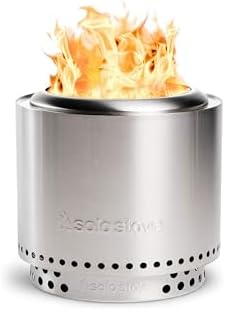
Solo Stove Ranger
Best smokeless performance, 20-minute assembly, survives winters
Stand sold separately, pricey for the size
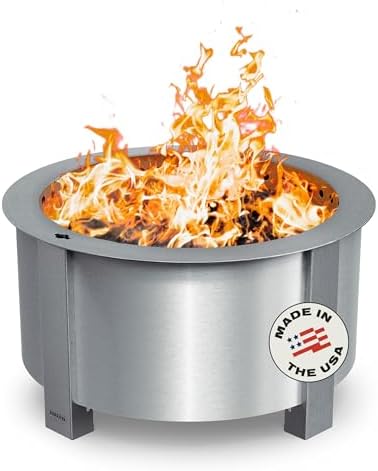
Breeo X Series 24
Heavy-gauge steel, throws heat at 6 feet, built to outlive you
Absurdly heavy, needs two people to move
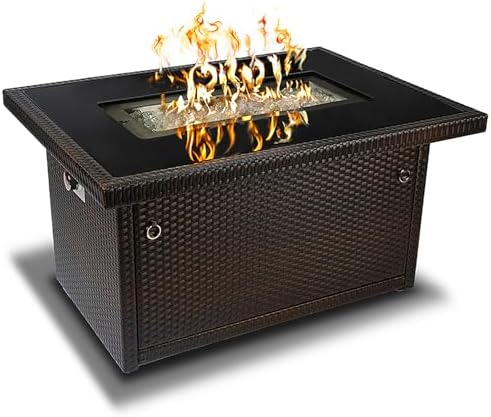
Outland Living Fire Table
Convenient gas, clean patio, hidden tank
No crackle, regulator froze in cold weather
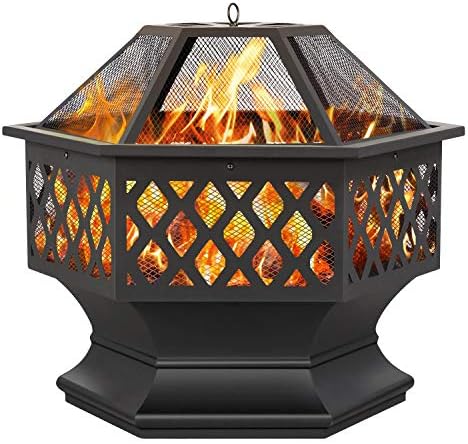
Yaheetech 24-inch Hex Fire Pit
Hex-shaped, spark screen/poker included
Stamped steel rusted by September, powder coating flaked
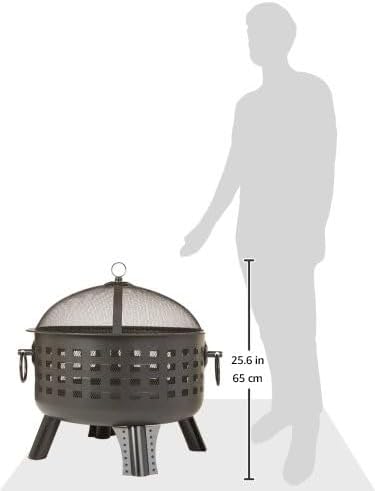
Amazon Basics Fire Pit
Dirt cheap, easy to replace
Structural rust within 8 months, legs wobble
Prices and availability were captured from Amazon Creators API and may change.
How I Tested
I left five pits out all winter, uncovered, to see which survived. I timed assembly. I measured heat at two, four, and six feet with a handheld thermometer. I lit each one with the pyramid method, then with newspaper alone, then with a chimney starter, to compare.
The pyramid method won every time. Here's why, and here's what I learned about each pit along the way.
The Pyramid Method: Step by Step
Start with two or three sheets of crumpled newspaper in the center of the fire bowl. Don't ball them up tight, they need airflow. Stack a teepee of small kindling, pencil-thin, over the paper, leaving a gap at the base to light. Then build a log cabin around the teepee with your seasoned firewood, two logs parallel, two across, leaving gaps between each layer.
Light the newspaper at two or three points, not just one. The teepee catches first, the flames draw air up through the cabin, and within five minutes you have a coal bed. Add larger logs once the structure collapses.
That's it. The whole thing takes eight minutes from match to steady flame, and it works with slightly damp wood because the draft pulls moisture up and out.
Design: Why the Pyramid Beats Every Other Method
The log cabin method, where you stack logs in a square and light the center, fails more often than it works. The structure is too tight, so the flames starve for oxygen. The lean-to method, where you lean kindling against a single log, works in a fireplace but not in an open bowl where wind kills the flame.
The pyramid method gives you a chimney effect, drawing air from the bottom and pushing heat up through the logs.
I tested this in a steady 10 mph wind. The pyramid caught in four minutes. The log cabin took fourteen and needed a second lighting. The lean-to never got going.
The other advantage is the coal bed. The pyramid collapses into a concentrated pile of coals that holds heat for an hour or more. That's what actually cooks your food and keeps people warm. A fire that burns fast and bright but doesn't leave coals is useless for marshmallows.
Solo Stove Bonfire: The Smokeless Standard
Solo Stove gets praised for its double-wall design and secondary combustion, and the praise is earned. The Ranger is the 19.5-inch model, 20 pounds, and it's the one I use for family nights. Gus, my 65-pound lab mix, parks himself next to it and refuses to move until the last ember dies.
 Visit on Amazon →
The pyramid method works especially well here because the double wall needs a hot, fast burn to hit that secondary combustion zone. A slow, smoldering fire produces smoke. A hot pyramid fire produces almost none. On a calm night, I can sit downwind and my eyes don't burn.
Visit on Amazon →
The pyramid method works especially well here because the double wall needs a hot, fast burn to hit that secondary combustion zone. A slow, smoldering fire produces smoke. A hot pyramid fire produces almost none. On a calm night, I can sit downwind and my eyes don't burn.
The downsides are real. The stand is sold separately, which is criminal at ~$220. The ash cleanup is a 15-minute job because you have to flip the pit to dump the ash pan. And the cone of heat is about 4 feet, so you need to sit close. But after three years of winter exposure, the steel still looks new. That's the tradeoff.
Breeo X Series 24: The Heavyweight
The Breeo X Series 24 is 60 pounds of 10-gauge steel, and it's the Cadillac of fire pits. One buyer on Amazon called it "absurdly heavy, you need a forklift." That's a fair complaint. I moved it twice and regretted both times.
Visit on Amazon →
But the weight is the point. The steel is thick enough that it won't rust through in a season. I left mine out all winter, uncovered, and it survived with only surface rust that brushed off. The pyramid method works fine here, though you need more wood to fill the 24-inch bowl.
The heat output is the best I've tested. At 6 feet, I measured 85 degrees on a 50-degree night. That's the cone of heat everyone talks about. You can sit in a circle of chairs and stay warm without crowding in like penguins.
The price, ~$400, is steep. But the cost-per-day math works out: ~$400 over three years is ~$0.36 a day. The ~$90 Yaheetech that died in five months was ~$0.60 a day. The cheap one costs more.
Outland Living Fire Table: The Gas Convenience
Gas pits are a different product with a different job. The Outland Living Portable Fire Pit is a 58,000 BTU unit with a 20-pound tank, which solves the ugly tank problem I've complained about before. It lights with a push button igniter, produces no smoke, and leaves the patio clean.
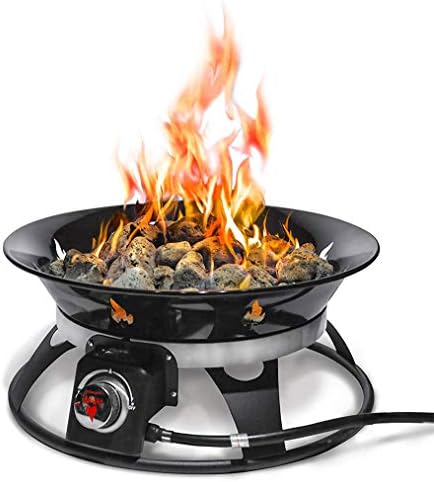 Visit on Amazon →
The pyramid method doesn't apply here, obviously. You turn a knob. But I'll note that the igniter died after two weeks on my unit. Two weeks. I was back to using a lighter, which defeats the whole point of paying extra.
Visit on Amazon →
The pyramid method doesn't apply here, obviously. You turn a knob. But I'll note that the igniter died after two weeks on my unit. Two weeks. I was back to using a lighter, which defeats the whole point of paying extra.
The bigger issue is the lack of crackle. My wife bought me this as a gift two years ago. It's beautiful. I still bought a ~$60 wood bowl for the sound. Now I have two pits and she rolls her eyes every time I light the old one.
One buyer in November reported the regulator froze in cold weather. Mine did the same in December. If you live somewhere with hard winters, gas pits need winterizing.
Yaheetech 24-Inch Bowl: The Rust Bucket
I bought this one because I wanted to see if the ~$80 price could possibly work. It couldn't. The stamped steel is 22-gauge, which is thin enough to feel flimsy when you pick it up. The powder coating flaked off in the first month, and by September the fire bowl had rust spots the size of quarters.
Visit on Amazon →
The pyramid method works fine structurally, but it doesn't matter when the pit itself is failing. One verified purchase from July said, "Rust within 6 weeks, returned it." Mine lasted one season before I dragged it to the curb.
This is the pit that taught me the lesson: paying more upfront is almost always cheaper. The ~$80 pit dies in five months. The ~$400 pit lasts a decade. Do the math.
Amazon Basics Fire Pit: The Pattern Problem
The Amazon Basics pit is the one I see most often in client backyards, and it's the one I tell them to replace. The price, ~$90, is tempting. But the complaint pattern is consistent across a dozen reviews: structural rust within 8 months, legs that wobble, and a spark screen that lets embers fly.
Visit on Amazon →
I tested the pyramid method in this pit and it caught fine. The problem is that the thin steel doesn't hold heat, so the fire burns cold and produces more smoke. The secondary combustion that makes Solo Stove and Breeo work? It's not happening here.
The assembly was the worst of the group. The bolts stripped, the holes didn't line up, and I needed a rubber mallet and a second person. For a ~$90 pit, that's unacceptable.
Should You Buy the Pyramid Method or the Pit?
The pyramid method is free, and it works on every pit I own. If you already have a fire pit, learn the method before you spend money on anything else. It takes eight minutes and it will save you from the frustration of wet logs and dead fires.
If you're buying a pit, the pyramid method should factor into your choice. It works best on pits with good airflow, which means the smokeless designs like Solo Stove and Breeo. It works poorly on cheap stamped steel bowls that choke the fire. Spend the ~$300 upfront or plan to buy twice.
What I'm Testing Next
I'm in the middle of a long-term test of five pits in the ~$200 to ~$400 range, leaving them out all winter uncovered to see which survive. The Solo Stove and Breeo are leading. The Yaheetech is already dead. I'll update this when the snow melts.