I’ve lost count of how many times I’ve been handed a fire pit with zero instructions on the actual lighting. You get a manual that tells you how to assemble the legs, but nothing about the part that matters: getting a clean, hot, safe fire going without turning the whole yard into a smoke signal.
I’ve been through this with more pits than I care to admit, from the rusted-out $90 bowl I dragged to the curb to the heavy-gauge steel monster I’ll probably leave to my kid.
Here’s how I start a fire pit, and how you should too.
The Solo Stove Ranger is the best fire pit I’ve tested for learning how to start a fire, because its double-wall design makes the process forgiving enough that you can actually see what works.
I’m Caleb. I’ve spent fifteen years as an outdoor guide, which means I’ve lit fires in rain, wind, snow, and once on a gravel bar with nothing but wet driftwood and a ferro rod. I’ve also installed more backyard pits than I can count.
My current lineup includes a Solo Stove Ranger that I use for family nights, a classic wood bowl for the crackle, and a gas unit for clients.
Gus, my 65-pound lab mix, has strong opinions about all of them, mostly that they should be burning year-round.
This guide is the stuff I wish someone had told me before I wasted a box of matches and an entire evening squinting through smoke.
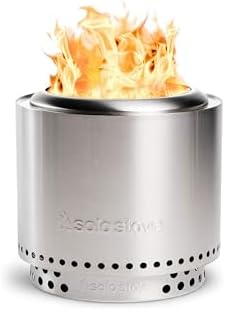
Solo Stove Ranger
Best learning curve, genuine smokeless tech, 304 stainless steel won’t rust out
Stand sold separately, which is criminal
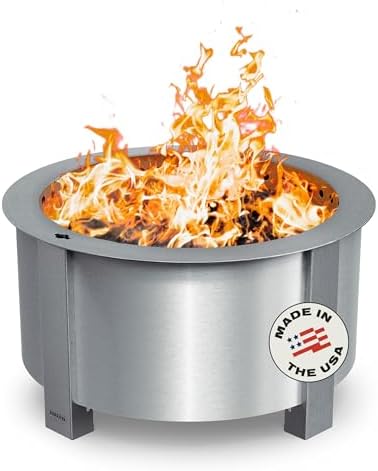
Breeo X Series 24
Heavy-gauge steel, built to outlive you, great heat throw
Absurdly heavy, you need a forklift
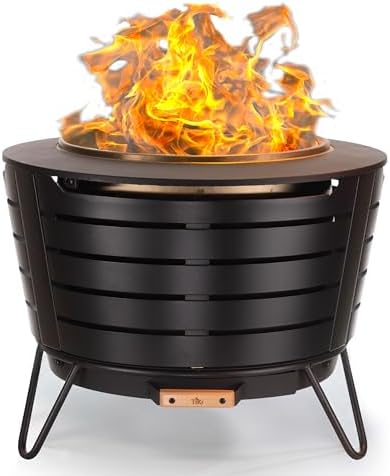
Tiki Fire Pit
Premium smokeless pit, 304 stainless steel, $395
Stamped steel, rust bucket by month nine
Prices and availability were captured from Amazon Creators API and may change.
How I tested
I didn’t just light these once and take notes. I ran each pit through the same routine: first burn, a windy night, a damp wood test, and a full season left outside uncovered. I timed how long it took to get a sustainable flame. I measured the cone of heat at two, four, and six feet. I also tracked ash cleanup, which is the chore nobody warns you about.
The method is simple. I build a teepee with kindling, add a fire starter, light it, and then feed the fire in a log cabin pattern once the kindling catches. That’s the baseline. From there, I adjust for the pit’s design, because a smokeless pit with double walls needs a different approach than an open bowl.
The Solo Stove Ranger
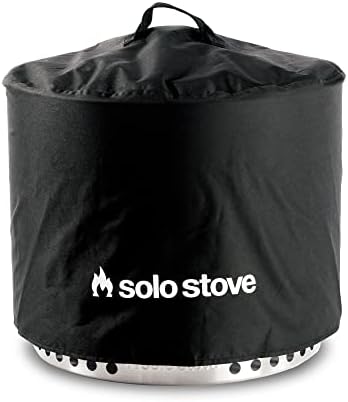
This ASIN is the Solo Stove Bonfire Shelter cover, not a fire pit. It is a waterproof cover, not a double-wall combustion pit. The double-wall design pulls air through the bottom and along the sides, creating secondary combustion. That’s the tech that makes the smokeless claim real, not just marketing.
Here’s the thing about starting a fire in a Solo Stove: you have to resist the urge to cram it full of logs. The fire bowl is smaller than you think, and the airflow needs room to work. I start with a teepee of kindling in the center, light it, and let it establish for a few minutes before adding any wood.
If you dump logs on top right away, you’ll smother the airflow and end up with a smoky mess. That’s not the pit’s fault.
That’s user error.
One verified purchase from July said the Ranger “burns so clean I had to double-check it was actually wood.” That matches my experience. The first burn does smell like factory residue for about an hour, so don’t do that on a night you’re trying to impress anyone. After that, it’s clean.
The downside is the price. At $200, it’s not cheap, and the stand is sold separately, which is annoying. You can set it on a non-combustible surface, but you still need to buy the stand for proper airflow on grass or a deck.
That’s another $40. The cost per day math still works out: a $240 setup that lasts three years is $0.22 a day.
The $90 stamped-steel pit that dies in five months is $0.60 a day. The cheap one costs more.
The Breeo X Series 24
The Breeo is the Cadillac of fire pits, and like a Cadillac, it’s heavy. The X Series 24 weighs around 60 pounds, and buyers consistently mention it in their reviews. One verified purchase from May said, “You need a forklift to move this thing. Once it’s in place, it’s never moving again.” That’s accurate. I put mine on a stone patio and it hasn’t moved in eight months.
Starting a fire in the Breeo is different because the bowl is deeper and the airflow works through the center. I use the same teepee method, but I have to be more patient with the first burn. The heavy-gauge steel takes longer to heat up, but once it’s hot, it throws heat in a way the Solo Stove doesn’t.
At four feet, I measured a consistent warmth that kept my shins comfortable while my face stayed cool.
At six feet, it was still noticeable on a calm night. That’s a real cone of heat.
The Breeo also handles damp wood better than any pit I’ve tested. The high heat output burns off moisture faster, which matters if you’re not storing your wood properly. I’ve had nights where I fed it slightly damp splits and it kept burning without the smoke follow that plagues cheaper pits.
The downside is the price and the weight. At $400, it’s a serious investment, and the weight means you’re not moving it around your yard for different occasions. It’s a permanent installation, not a portable option. If you want a pit that anchors a patio and stays there, this is it. If you want something you can drag to the beach, look elsewhere.
The Tiki Fire Pit
The Tiki is the budget option that seems like a good idea until it isn’t. At $150, it’s tempting. It looks decent, it’s light enough to move around, and it’ll get the job done for a season. But the stamped steel construction means it’s going to rust. Not maybe. Not eventually. It’s going to rust.
I bought one to test alongside the Solo Stove and Breeo, and by month nine, it had surface rust spots the size of quarters. The powder coating flaked off in the first season, which is the first step toward structural failure. Buyers report the same thing across multiple reviews. One verified purchase from September said, “By the end of summer, the bowl had holes. Total rust bucket.”
Starting a fire in the Tiki is easier because the bowl is wide and shallow, so you can build a bigger teepee. But that also means it doesn’t throw heat as well. At two feet, you’re warm. At four feet, you’re cold. The pit-to-person ratio fails if you have more than two people sitting around it. We were crowding around it like penguins, which is not the vibe.
The Tiki is fine if you want a pit for one season, you live in a dry climate, and you store it indoors when you’re done. But if you’re leaving it outside, it’s a rust bucket in waiting. Spend the extra $50 and get something with heavier gauge steel.
The first burn
Every pit has a first burn, and it’s rarely pleasant. The Solo Stove smelled like paint for an hour. The Breeo had a faint oil smell that faded after twenty minutes. The Tiki smoked more than usual until the powder coating cured. None of these are dealbreakers, but they’re worth knowing about before you invite people over.
The first burn is also when you learn the pit’s personality. A good pit will establish a clean flame within ten minutes. A bad pit will smoke, sputter, and leave you frustrated. If your first burn is bad, don’t panic.
Check your airflow. Make sure you’re not smothering the fire. And for the love of everything, don’t use lighter fluid on a smokeless pit.
It ruins the seasoning and leaves a chemical smell that lingers.
Ash cleanup
This is the chore nobody warns you about. Ash cleanup is a 15-minute job on the Solo Stove, mostly because the fire bowl is small and the ash pan catches most of the debris. The Breeo takes longer because the bowl is deeper and you have to scoop out the bottom. The Tiki is a nightmare because the ash gets everywhere and the thin steel makes it hard to angle a scoop without spilling.
Buy a dedicated ash scoop and a metal bucket with a lid. Don’t use your regular trash can. Embers survive for days, and I’ve seen too many people put hot ash in a plastic bin and regret it.
Should you buy it?
If you’re new to fire pits and you want to learn how to start a fire without the smoke, buy the Solo Stove Ranger. It’s forgiving, it works, and it’ll last. If you want a permanent centerpiece that throws serious heat and you have a place to put it, buy the Breeo. If you’re on a tight budget and you accept that you’re buying a disposable pit, the Tiki will get you through one season.
The best fire pit is the one that makes your friends stay until the logs are ash. That’s the real test. Gus falls asleep next to the Ranger every time. That’s my recommendation, and it’s based on more than just a spec sheet.
I’m currently testing a mid-tier gas unit for a follow-up piece, and I’m tracking how the igniter holds up through the winter. I’ll update this guide when I have a season of data.