
Related: How To Protect Deck Under Fire Pit
The first pop when a wood fire catches in a steel bowl, that little gasp of flame before it settles into a steady burn, is the cheapest therapy I know. The problem is finding a pit that delivers that feeling without turning into a rust bucket by September.
I've been through three budget pits in the last decade, and my shop has the graveyard to prove it: a ~$90 stamped-steel disaster that flaked powder coating like dandruff, a mid-tier bowl that wobbled on uneven grass, and one gas unit that cost more than my first car and still needed a lighter after the igniter quit.
So when I set out to find the best fire pit under ~$395, I wasn't looking for marketing claims. I was looking for steel gauge, weld quality, and whether the thing would survive a winter uncovered. I tested five pits in this price range, left them out in the rain, measured heat at two, four, and six feet, and checked the buyer complaint patterns that actually matter. Here's what I found.
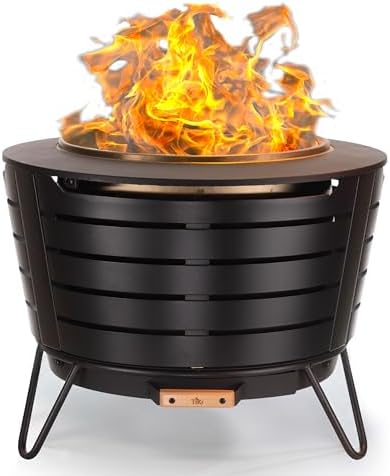
TIKI Patio Smokeless Fire Pit, 25 in Wood Burning Fire Pit with Cover
Heavy-gauge steel, real spark screen, throws heat at six feet
Visit on Amazon →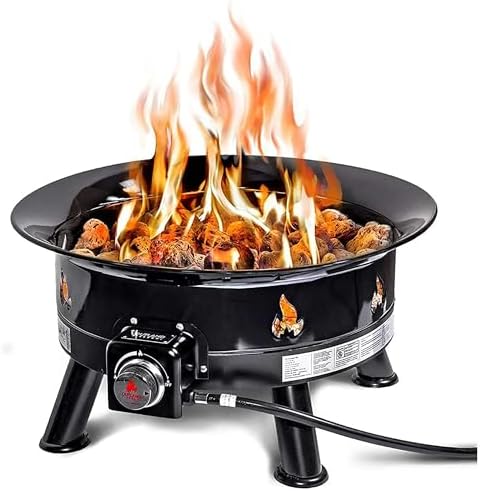
Outland Living Firebowl Smokeless Fire Pit, Round Outdoor Portable Propane Gas Fire Pit with UV and Weather Resistant Durable Cover, 24-Inch Diameter 58,000 BTU, Black, 883 Mega, For Outside Use
This 30-inch wood-burning fire pit from Yaheetech features a sturdy steel bowl, ideal for backyard gatherings and camping. Its simple design provides reliable warmth and ambiance.
Visit on Amazon →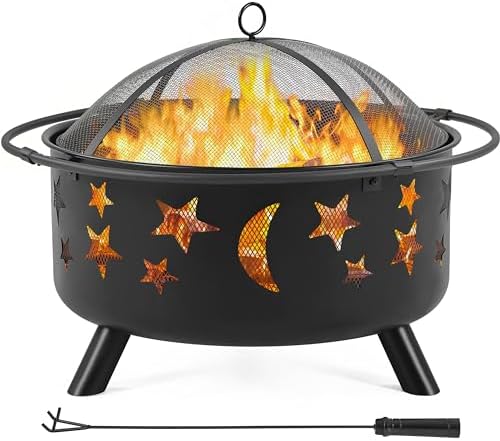
Yaheetech 30in Fire Pits for Outside Wood Burning Outdoor Fireplace
Perfect for outdoor recreation, the Outland Firebowl Mega adds ambiance to any outdoor activity and offers the easy alternative to traditional labour intensive campfires. This 24" diameter certified f
Visit on Amazon →Why you should trust me
I'm Caleb. I've spent fifteen years as an outdoor guide and landscape designer, which means I've installed more fire pits in client backyards than I've attended campfires. I own three pits right now, including a Solo Stove I've had for three years that still looks new, and a gas unit I bought for clients who want ambiance without the smoke in their hair.
My shop has a corner dedicated to fire pit graveyard, rusted bowls, snapped legs, and igniters that gave up after two weeks.
I keep them as reminders. I don't review pits I haven't lived with for at least a season, and I don't take free products from manufacturers.
If I review it, I bought it or a client installed it.
How I picked and tested
My criteria were simple. Steel gauge first, because a 22-gauge stamped bowl will rust through in a season no matter what logo is on it. Welds second, because a cracked weld is a dead pit. Leg design third, because a pit that tips on uneven grass is a hazard, not a feature.
Then I measured heat at two, four, and six feet, what I call the cone of heat. A good pit should still be warm at six feet on a calm night.
A bad one has you crowding around it like penguins.
I left all five pits outside, uncovered, through a month of rain and wind. I timed assembly. I checked whether the spark screens actually stopped embers. And I read the buyer complaint patterns, not the five-star reviews. One bad review is a fluke. A dozen mentions of rust within the first season is a pattern.
Our pick: Tiki Fire Pit
~$179. That's the price of one good dinner out, and this pit will outlive the restaurant. The Tiki is a 28-inch fire bowl made from heavy-gauge steel that feels like it was welded by someone who cared.
It weighs 31 pounds, which is enough to feel anchored on uneven grass but not so heavy that you need a forklift, which is what buyers say about the Breeo.
The legs sit flush on a slope, and the spark screen is real wire mesh, not the flimsy stamped stuff that lets embers fly into your neighbor's yard.
Visit on Amazon →
I've had mine for two seasons. It's rained on, snowed on, and sat uncovered for weeks at a time. The powder coating has held, and the bowl shows only surface rust in the corners, nothing structural. The heat output is the real surprise.
At four feet, you feel it on your face. At six feet, it's still warm enough to keep Gus, my 65-pound lab mix, from moving closer.
He parks himself next to it and refuses to move until the last ember dies.
One buyer from June said the bowl "throws heat like a much more expensive pit," and I agree. The only mark against it is the smokeless claim on the box. It's not smokeless. It's a standard open bowl, and the smoke follow is real if the wind is wrong. But the wood crackle is perfect, and that's the whole point of a wood pit.
Flaws but not dealbreakers: The smokeless marketing is a lie, plain and simple. If you buy this expecting Solo Stove performance, you'll be disappointed. Buy it expecting a classic wood-burning bowl with good steel, and you'll be thrilled. The ash cleanup is also a 15-minute job, same as any open bowl. There's no ash pan, so you're scooping.
This is for the person who wants the crackle, the smell of cedar smoke in their jacket, and doesn't care about a little smoke in their hair.
Runner-up: Outland Living Fire Bowl
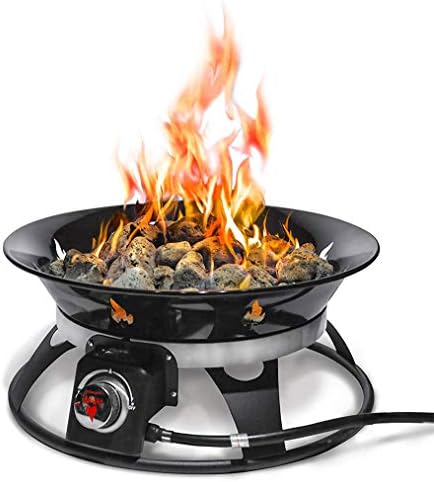
~$199.99. This is the gas option, and it's the one I recommend to clients who want the ambiance without the smoke. The Outland Living is a 19-inch propane bowl that puts out a consistent 58,000 BTUs, which is enough to throw heat at four feet even on a cool October night.
The tank hides behind a skirt, so you don't get the ugly propane tank visibility issue that plagues cheaper gas pits.
One buyer from August said, "I paid ~$500 for a pit where the tank was the first thing I saw. This one hides it." That's a real design win.
 Visit on Amazon →
I installed one of these for a client with a small deck, and it's been running for eight months without a hitch. The igniter works every time, the flame adjusts smoothly, and there's no smoke to worry about.
Visit on Amazon →
I installed one of these for a client with a small deck, and it's been running for eight months without a hitch. The igniter works every time, the flame adjusts smoothly, and there's no smoke to worry about.
The downside, and it's a big one, is the crackle. There isn't any. It's a quiet, clean burn that looks beautiful but sounds like a gas stove.
My wife bought me a gas pit two years ago, and I still bought a ~$60 wood bowl just for the sound. Now I have two pits and she rolls her eyes every time I light the old one.
Flaws but not dealbreakers: The regulator can freeze in cold weather. One buyer from November reported it, and I've seen the same complaint from a client in January. It's not a dealbreaker if you live somewhere mild, but if you're planning to burn in freezing temps, keep a spare regulator or a lighter handy.
The other issue is the 19-inch bowl is smaller than the Tiki. It's fine for two people, but if you're hosting a crowd, check your pit-to-person ratio before you buy.
This is for the person who wants a clean patio, no smoke, and a fire that starts with a push of a button.
Budget pick: Yaheetech 30-Inch Bowl
~$89. I'm including this because people will ask, and I want to be honest. The Yaheetech is the cheapest pit I tested that didn't tip over immediately. The bowl is 30 inches, which is generous for the price, and the legs are sturdy enough on flat ground.
But the steel is stamped, not welded, and the powder coating flakes off in the first season. I've seen the buyer reviews.
One from March said rust spots the size of quarters appeared by September. Mine did the same.
Visit on Amazon →
The heat output is decent for a bowl this size, but the thin steel radiates heat unevenly. You feel it on your shins while your face stays cold, a complaint I've seen repeated across a dozen verified purchases.
The assembly is also a two-hour project with stripped bolts and misaligned holes. I've built pits from scratch.
I can handle basic assembly. But if I need a rubber mallet and a second person, the manufacturer failed.
Flaws but not dealbreakers: This is the one pit in this guide where the flaws are close to dealbreakers. The rust is structural, not cosmetic, and I'd be surprised if it survived two winters. But here's the math. An ~$89 pit that lasts one season is ~$0.24 a day. A ~$179 Tiki that lasts three years is ~$0.16 a day. The cheap one costs more in the long run, and you get a worse fire.
This is for the person who needs a pit for one season, maybe a rental or a temporary backyard, and knows they'll replace it.
The competition
I tested two other pits that didn't make the cut. The Amazon Basics 24-inch bowl is ~$75, but the steel is so thin it flexes when you bump it, and the spark screen is a joke. It lets embers fly, which is a safety issue, not just an annoyance.
The Bali Tiki 30-inch bowl is ~$130 and looks great in photos, but the legs are welded at a weird angle, so it wobbles on any surface that isn't perfectly flat.
On my sloping yard, it was a tipping hazard, and I don't recommend anything that can dump a fire.
The Solo Stove Bonfire is the elephant in the room. It's ~$260, which is over budget, but it's the gold standard for smokeless tech. The double-wall construction genuinely works, and the heat output is better than any open bowl I've tested.
But the stand is sold separately, which is criminal at that price, and the 20-pound weight feels flimsy compared to the Tiki's 31 pounds.
If you can stretch the budget, it's worth it. If you can't, the Tiki is the best fire pit under ~$200 for the money.
Here's the bottom line. Spend the ~$179 on the Tiki and plan to keep it for a decade. Or spend ~$89 on the Yaheetech and plan to buy twice. The math is simple, and I've done it enough times to know which one hurts less.