I have built and repaired fire pits for clients around Asheville for 15 years, and the question I get every October is not which pit is best. It is which pit belongs in their yard. A wood and gas fire pits comparison sounds like a single decision, but it is really two, because the two fuels solve different problems. Wood gives you the experience: the crackle, the smell, the tending. Gas gives you the look of fire without the smoke in your hair, and it starts with a knob.
Related: Fire Pit Placement: Where It Belongs In A Backyard
The short answer: the 36-inch Sunnydaze Crossweave is the wood burner I would start with for a typical backyard, the Garvee 39-inch is the one to pick if you want to cook over coals, and the Yaheetech propane table is the only gas option in this group, which makes it the default answer for anyone who wants fire without smoke. The long answer is about steel, airflow, and what happens in month fourteen when rain has been sitting in the bowl since March.
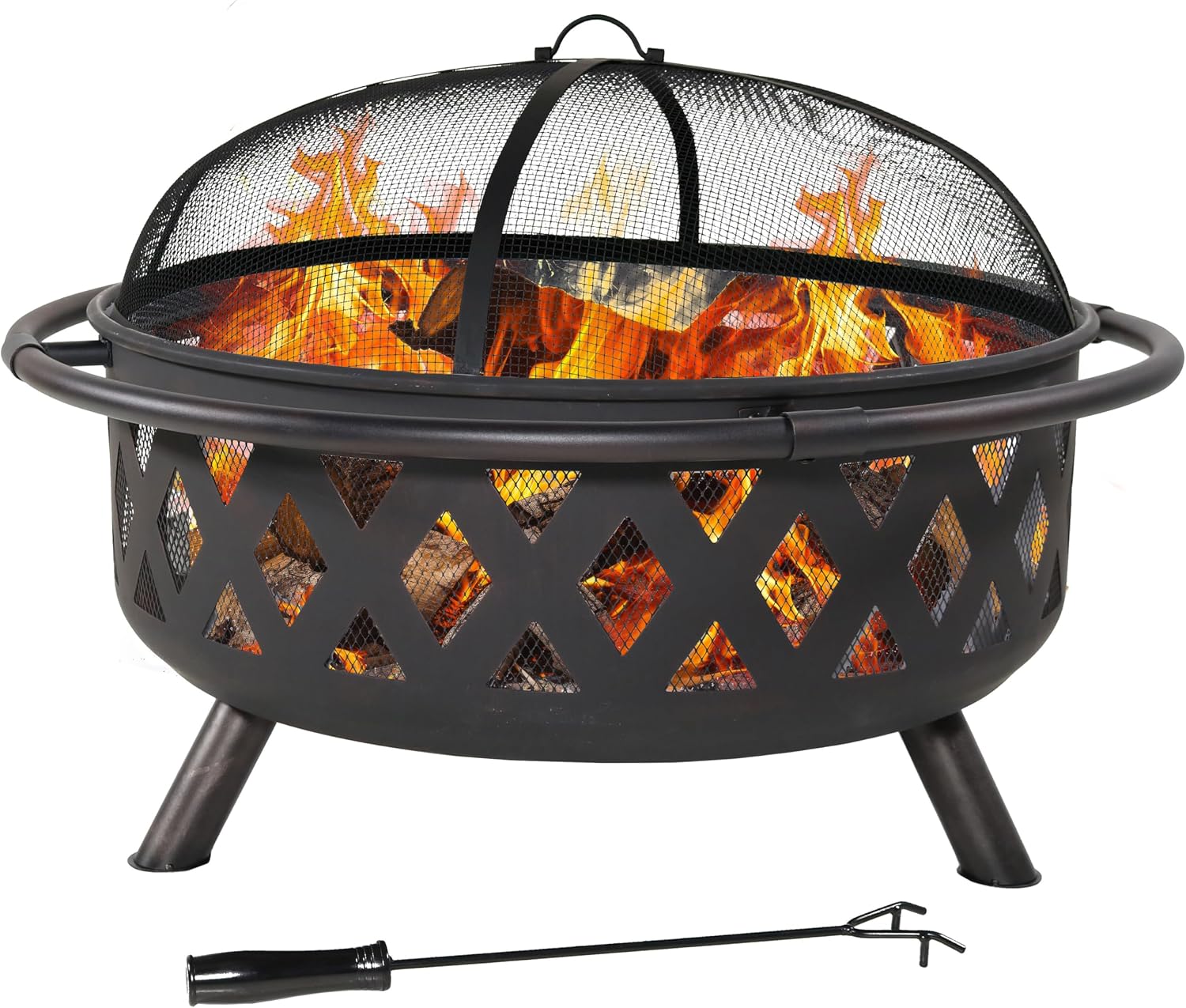
Sunnydaze Crossweave 36" Large Outdoor Fire Pit, Wood Burning, Round
The 36-inch round bowl is the size most backyards actually want, and the crossweave finish reads as furniture instead of a burn barrel
Wood only, no cooking grate, so it is a sitting pit and nothing else
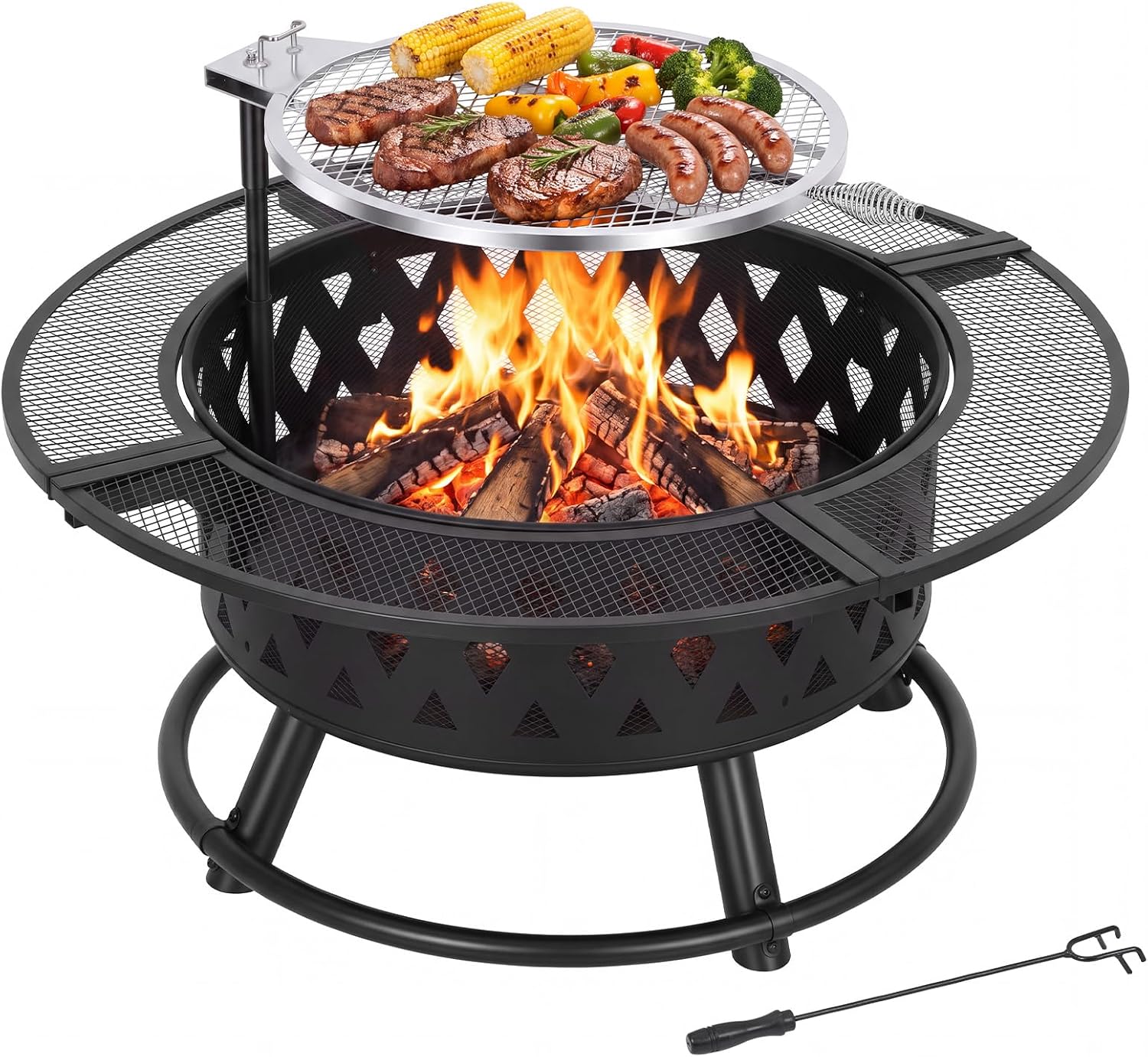
Garvee 39" Fire Pit with Grill Grate, Wood Burning for Outside Fireplace
The largest footprint here, and the grill grate means coals can do double duty as a cook surface
More parts to clean and store, and it is still a wood-only pit
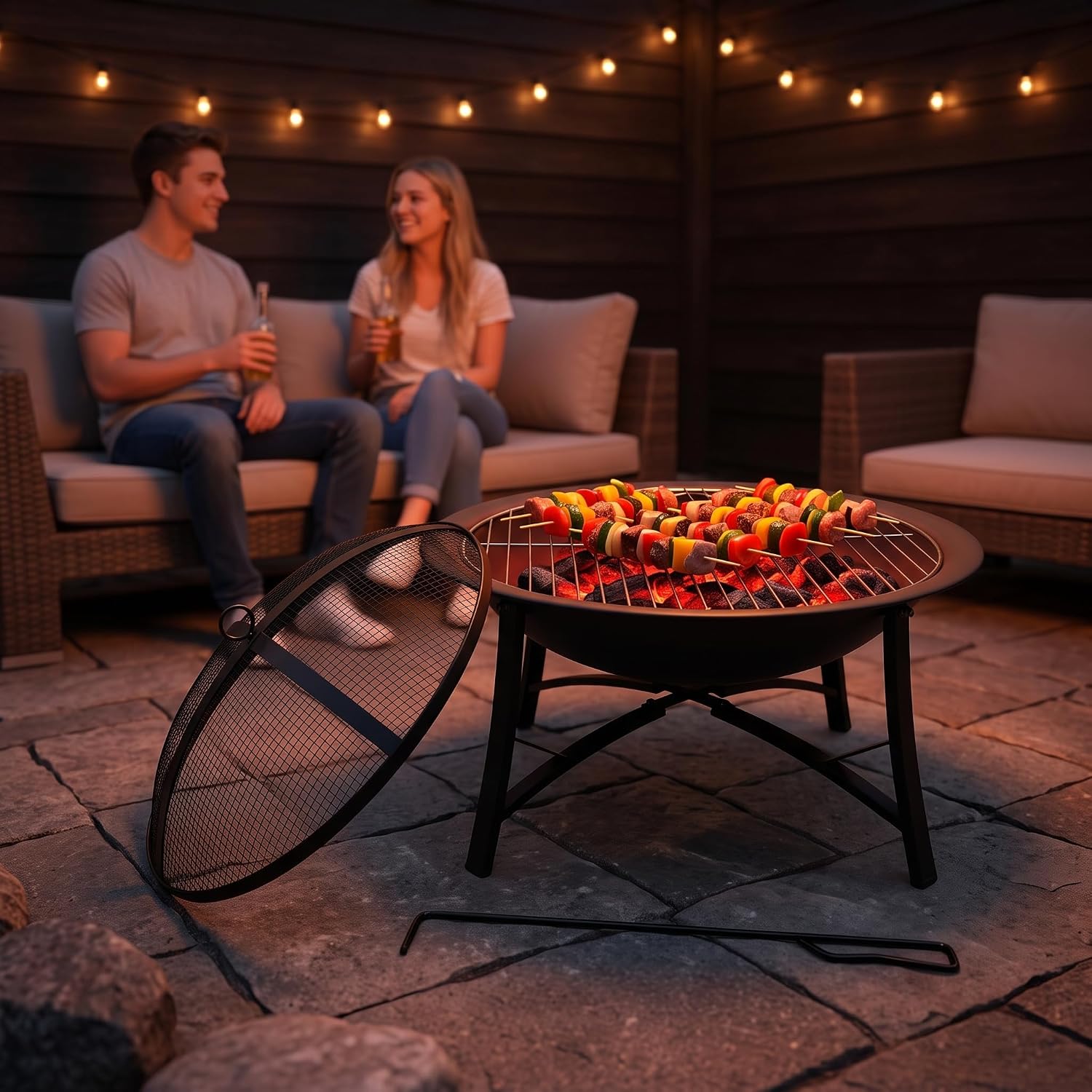
Fire Beauty Wood Burning Fire Pit, 2-in-1 BBQ Grill for Backyard Camping
The 2-in-1 cooking design is the camp-friendly pick of the group and the easiest one to justify for a tailgate or a tent site
Smallest presence of the three wood burners, and a grill-first pit is a compromise at both jobs
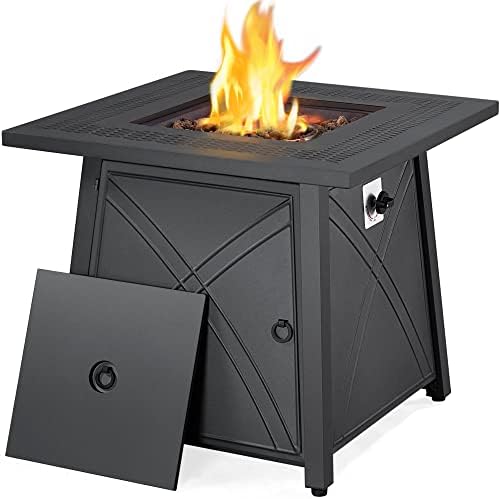
Yaheetech 28in Propane Fire Pit Gas Fire Pit Table with Lid and Iron Tabletop, 50,000 BTU with Lava Rocks
The only gas pit in the group, and the 50,000 BTU burner plus the lid that turns it into a table makes it the most usable piece of furniture here
28 inches is the smallest fire in this lineup, and propane means fuel logistics and a tank to hide
Prices and availability were captured from Amazon Creators API and may change.
How I judge a fire pit before I recommend it
I have not burned all four of these on my own patio, so I am not going to pretend I have. What I can do is run each one through the four questions I use before I install anything for a client, because those questions decide whether a pit lasts a decade or a season.
Steel gauge. The thickness of the metal is the single biggest predictor of lifespan. A pit made of very thin steel is a one-season novelty, and it will rust through at the seams before the finish has faded. Thicker steel holds heat longer, resists warping, and survives being left out in weather it should not have been left out in. If a listing will not tell you how thick the metal is, that silence is the answer.
Airflow. Fire needs air at the base, not just on top. A bowl that feeds air from underneath burns hotter and cleaner than a flat pan that starves the coals. This is also the reason a cheap pit smokes you out of your own yard: poor airflow means incomplete combustion, and incomplete combustion means smoke that follows whoever moves.
The spark screen. Not optional. I have seen what one ember does to a wood deck, and I have written that repair estimate more than once. Any wood burner that does not come with a screen needs one bought before the first fire.
Size and weight. Portability is for campers, weight is for permanence. Decide which one you are before you buy, because a heavy pit you meant to move and a light pit you meant to leave are both disappointments.
The wood burners, ranked by what they are good at
Sunnydaze Crossweave 36" Large Outdoor Fire Pit
If you want one pit for a normal backyard and you do not plan to cook on it, this is where I would start. Thirty-six inches is the number I keep coming back to for a reason: it is wide enough for four people to get heat from it without sitting in each other's laps, and small enough that it does not dominate a patio.
The crossweave finish is a small thing that matters more than people expect. A plain steel bowl looks like a burn barrel. A patterned one looks like something you chose. Round wood burners also throw heat evenly in every direction, which is not true of square or rectangular pits, where the corners run cooler.
What it does not do is cook. There is no grate, no adjustable height, and no lid to convert it. If your idea of a fire night includes a cast iron skillet or a pack of brats, keep reading.
Garvee 39" Fire Pit with Grill Grate
This is the biggest pit in the group and the only wood burner here with a cooking grate included from the start. Thirty-nine inches of bowl is a real fire, the kind that keeps a party warm on a cool October night rather than just looking nice.
The grill grate is the whole argument for it. Coals from a hardwood fire are a legitimate cooking heat, and a grate turns a fire pit into a second outdoor kitchen without buying a separate grill. It also means more to clean, more to store, and a grate that will need scraping and oiling like any other cooking surface. That is the trade.
If you want the largest fire in this lineup and you want to cook on it, this is the pick. If you want the largest fire in this lineup and you do not want to cook, the Sunnydaze is the simpler version of the same idea.
Fire Beauty Wood Burning Fire Pit, 2-in-1 BBQ Grill
The Fire Beauty pit is the camping and tailgate entry in this comparison. The 2-in-1 design pairs a wood fire with a grill, which is the right combination for a tent site or a truck bed, and the smaller footprint is a feature there rather than a compromise.
Here is my honest read on 2-in-1 pits: they are a compromise at both jobs, and that is fine as long as you know it. A pit built to be carried will not have the steel mass of a pit built to stay put, and a grill surface sized for a campsite will not feed a backyard party. Buy it for the fire and the cooking you actually do on a weekend trip, not as a permanent patio centerpiece.
The gas option, and why it is the only one here
Yaheetech 28in Propane Fire Pit Gas Fire Pit Table
Gas is convenience, and I will not pretend otherwise. What you give up is the crackle and the smell of real wood. What you get is a fire that starts with a knob, burns clean, produces no ash to haul, and does not put smoke in anyone's face.
This Yaheetech table is the one gas pit in the group, and the spec sheet is why it works as furniture. The 50,000 BTU burner is serious output for a 28-inch table, the lava rocks hide the burner and radiate heat instead of letting it all go straight up, and the lid turns the whole thing into a table when the fire is off. That last part is the difference between a fire pit and a coffee table you can light. Square pits with a flat top and a lid earn their patio space because they do something twelve months a year.
The trade-offs are real. Twenty-eight inches is the smallest fire here, so it is a close-in pit for two to four people, not a bonfire for a crowd. Propane means a tank to buy, store, and hide, and a tank that will run out at the worst possible moment unless you keep a spare. And a gas pit will never give you the one thing wood gives you, which is the actual experience of a fire.
The trade-offs nobody puts on the box
Smoke management is the feature. A pit that smokes you out of your own backyard is a fireplace with a seating problem. Wood burners live or die on airflow, dry fuel, and wind direction. Gas burners skip the entire problem. If you have ever ended a fire night with your clothes in the garage, you already know which side of this you are on.
Cooking changes the pit you should buy. Two of the four pits here have a grill element and two do not. A grill grate means you will actually use the coals. It also means grease, scraping, and a grate that rusts if you store it wet.
Size is a comfort decision. A 28-inch fire keeps two people warm. A 39-inch fire keeps a party warm. Nobody ever regrets buying the pit that fits their guest list, but plenty of people regret the pit that fits their ego and not their patio.
Fuel is a habit, not a preference. Wood requires dry storage, a way to haul ash, and the willingness to tend a fire for two hours. Propane requires a tank and a spare. Be honest about which habit you will keep up in February.
What the specs do and do not tell you
A listing will tell you the diameter, the fuel, the BTU rating, and whether a lid or grate is included. That is genuinely useful, and it is enough to sort these four into two wood pits for sitting, one wood pit for cooking, and one gas table.
What a listing will not tell you is how the pit behaves on a windy night, how hot the rim gets, or how the finish looks after a full winter. Those are the things I check with a hand and a burn night, and they are why I do not recommend a pit I have not lived with when a client is spending real money.
The pattern I have seen across years of backyard pits is simple. The pits that last are the heavy ones with simple construction and a screen that fits properly. The pits that fail are thin, welded at the seams, and sold on a picture of a family roasting marshmallows. Weight and simplicity are the two best proxies you have for quality before the box arrives.
Should you buy accessories before the fire pit?
Yes, and the list is short. A spark screen if the pit does not include one, because embers and decks are a bad combination. A cover sized to the bowl, because weather is what kills most fire pits, not fire. And a metal ash can if you are burning wood, because dumping warm ash into a plastic bin is how people end up in my inbox.
For the gas table, the accessory that matters is a spare propane tank. The lid, the lava rocks, and the iron tabletop are already in the box.
What I am watching next
I have two client installs on the calendar for late October, one with a wood burner set into a gravel patio and one with a gas table on a covered porch. The interesting question is not which fuel wins. It is whether a homeowner who wanted ambiance ends up building a second wood pit for the nights they actually want a fire, which happens more often than you would think.
If you are shopping right now, pick your fuel first, then your size, then your steel. That order saves more money than any sale ever will.