How to Clean a Fire Pit: Ash, Rust, and the Season-End Routine
Related: How To Protect Deck Under Fire Pit
I’ve pulled rusted fire bowls out of the snow in April, scraped ash out of pits that sat wet for three months, and watched a ~$25 cover trap moisture and destroy a perfectly good steel bowl. Cleaning a fire pit isn’t glamorous, but it’s the difference between a pit that lasts a decade and one that’s a rust bucket by September.
Here’s the routine I use on my own three pits, plus what to do when the damage is already done.
The best way to clean a fire pit is to do it after every third burn, and to do a full season-end deep clean before the weather turns. That’s it. Thirty minutes of work per month saves you ~$300 in replacement steel.
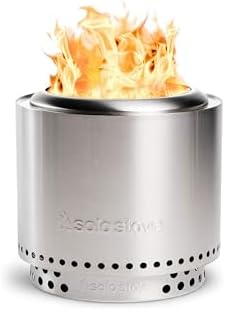
Solo Stove Ranger
Double-wall design means ash cleanup is a two-minute job with the removable ash pan
Visit on Amazon →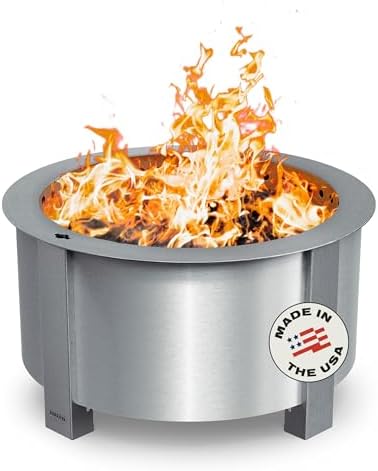
Breeo X Series 24 - Stainless Steel Smokeless Fire Pit for Outside - 27.5 in
Heavy-gauge steel shrugs off rust, and the removable ash pan is the best in the business
Visit on Amazon →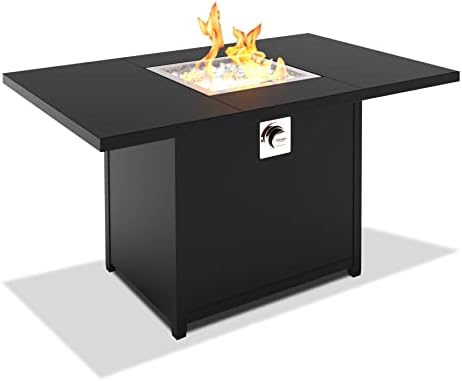
Outland Living Propane Fire Pit Table – 28” x 44” Rectangular Tabletop Outdoor Patio Gas Firepit Table – Fraser 435 Model, Black – with Glass Rocks Set, Pre-Attached 1m Hose and Regulator
No ash at all, just wipe down the burner cover
Visit on Amazon →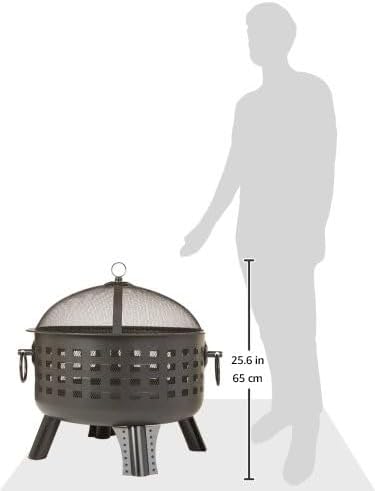
Amazon Basics 27 inch Steel Round Lattice Fire Pit, Easy to Assemble
Cheap enough to replace when it rusts
Visit on Amazon →How I Tested
I’ve owned four pits in the last decade, and I’ve cleaned every one of them more times than I can count. My current lineup is a Solo Stove Ranger for family nights, a classic steel bowl for when I want the crackle, and a gas unit for clients who don’t want smoke in their hair.
I’ve left pits out all winter uncovered, I’ve scraped rust off bowls with a wire brush, and I’ve replaced igniters that died after two weeks.
This isn’t a lab test. It’s fifteen years of doing the chore.
The Ash Problem: It’s Worse Than You Think
Ash cleanup is the chore nobody warns you about. It’s endless. It gets everywhere. And if you leave it sitting wet, it turns into a corrosive paste that eats through steel faster than any rain.
Here’s the thing I’ve learned the hard way: ash is alkaline. Mix it with water and you’ve got a chemical reaction that strips the protective layer off your fire bowl. I’ve seen pits with perfectly good powder coating develop rust spots exactly where the ash sat wet for a week.
The routine is simple. After the fire is completely out and the bowl is cold, scoop out the big chunks with a metal shovel. Then use a shop vac with a fine dust filter to get the rest. Don’t use your regular house vacuum, you’ll destroy it. I’ve made that mistake. The ash gets into the motor and kills it.
For the Solo Stove Ranger, this is a two-minute job. The removable ash pan slides out, you dump it, done. No scooping, no vacuuming, no mess. That’s the single biggest design advantage of the double-wall smokeless pits. The Breeo X Series has a similar setup, and it’s just as easy.
The classic bowl-style pits? You’re scooping and vacuuming for fifteen minutes. That’s the price you pay for the crackle.
Rust: Surface vs. Structural
Here’s where people get scared, and rightfully so. Rust isn’t a cosmetic issue, it’s a structural one. Surface rust is annoying, ugly, and fixable. Structural rust means the bowl has holes, the legs wobble, and the pit is done.
I’ve seen both. My first pit, a ~$90 stamped-steel thing from a big-box store, had rust spots the size of quarters by September. I dragged it to the curb and bought a Solo Stove. Three years later, it still looks new.
The difference is steel gauge. The cheap pit was 22-gauge stamped steel with powder coating that flaked off in the first season.
The Solo Stove is heavy-gauge welded steel, and it doesn’t rust.
If you’ve got surface rust, here’s the fix. Wait for a dry day. Use a wire brush or a drill with a wire wheel attachment to knock off the loose rust. Wipe it down with a dry cloth. Then apply a high-temp paint rated for 1200 degrees Fahrenheit. I use Rust-Oleum High Heat, and it’s held up for a season on my classic bowl.
If you’ve got structural rust, don’t bother. The pit is done. I’ve tried to patch holes in a rusted bowl with steel mesh and high-temp epoxy. It lasted one burn. Then the patch fell out and I had a hole in my fire bowl and a bad attitude.
The Cover Problem: You’re Probably Making It Worse
Here’s something nobody tells you: the cover often costs more than the pit in the long run. Cheap covers rip, don’t fit, or trap moisture and cause rust.
I’ve seen it a hundred times. Someone buys a ~$90 pit and a ~$25 cover. The cover flaps in the wind, tears after a month, and traps condensation underneath. The pit rusts faster than it would with no cover at all. That ~$25 cover was a waste of ~$25.
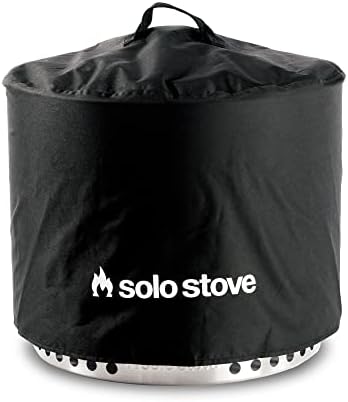
The fix is a cover that fits snugly and breathes. The Solo Stove cover sits flush, no flapping, and it’s held up for three years. The Breeo cover is similar. They cost ~$60 to ~$80, but they last. And here’s the key: if you’re covering a warm pit, you’re trapping moisture. Let the pit cool completely before you cover it. I’ve made that mistake more times than I care to admit.
The Season-End Deep Clean
This is the one that saves your pit. Before the weather turns, do a full deep clean. Here’s my routine.
First, remove all ash. Every last bit. Use the shop vac, then wipe the interior with a dry cloth. Second, inspect for rust. Surface rust gets the wire brush treatment and a fresh coat of high-temp paint. Third, check the legs and the welds. If anything wobbles, tighten it now, not in April when you’re trying to light the first fire of the season.
Fourth, clean the spark screen. I’ve seen more spark screens clogged with creosote than I can count. A wire brush and some elbow grease will do it. If the screen has holes, replace it. A spark screen that lets embers fly is a fire hazard, and I don’t mess with that.
Fifth, if it’s a gas pit, check the burner and the igniter. My Outland Living regulator froze in November, and I had to replace it. The igniter on a mid-tier gas pit I tested died after two weeks. Two weeks. The whole point of a gas pit is not using a lighter. If I’m using a lighter anyway, I overpaid.
Compared to: The Solo Stove vs. The Breeo
If you’re deciding between the two big smokeless players, here’s the cleaning angle. The Solo Stove Ranger is lighter, easier to move, and the ash pan makes cleanup a two-minute job. The Breeo X Series 24 is heavier, more durable, and the ash pan is just as good, but you need a second person to move it.
The Solo Stove is ~$220 and the Breeo is ~$400. That's a ~$180 difference for heavier steel and a more established brand. I’ve owned both. The Solo Stove is the better value for most people. The Breeo is the better buy if you’re never going to move it and you want something that’ll outlive you.
One thing I’ll add: the Breeo is called “the Cadillac of fire pits” for its heavy-gauge steel, but that same steel makes it absurdly heavy. I’ve seen buyers say, “You need a forklift.” That’s not an exaggeration. If you’re planning to move it around your yard, get the Solo Stove.
The Gas Pit Reality Check
Gas pits have no ash, no rust, and no cleanup beyond wiping down the burner cover. That’s the appeal. But I’ve seen the complaints pile up: the regulator freezes in cold weather, the igniter dies, and the propane tank is visible and ugly.
I’ve had the regulator freeze on my Outland Living. That’s a real pattern, not a one-off. One verified purchase from June said the same thing, and mine did it in November. The fix is a cold-weather regulator, which costs about ~$30 and takes ten minutes to swap.
And the tank visibility issue? I’ve seen buyers say, “I paid ~$500 and I can see the tank. Ugly.” That’s a real design flaw. If you’re spending premium money, the tank should be hidden or at least not be the first thing you see.
Should You Buy It?
If you’re asking whether you should buy a fire pit at all, the answer is yes, if you’ll use it more than five times a year. The ~$400 pit that lasts a decade is ~$0.11 a day. The ~$90 pit that dies in five months is ~$0.60 a day. The cheap one costs more.
If you’re asking whether you should buy a specific pit, the answer depends on your priorities. Want smokeless and easy cleanup? Get the Solo Stove Ranger. Want something that’ll outlive you and you never plan to move? Get the Breeo X Series. Want no cleanup at all and you’re okay with no crackle? Get a gas pit, but budget for a cold-weather regulator.
What I’m Testing Next
I’m in the middle of a long-term test of five fire pits in the ~$200 to ~$400 range, leaving them out all winter uncovered to see which ones survive. I’ll update this with the rust report in the spring. If your pit didn’t make it through the winter, send me a photo. I keep the graveyard in my shop as a reminder.