I've owned four pits in the last decade, and I'm currently running a long-term test on five more in the $395 to $400 range, leaving them out all winter to see which ones survive. My shop has a corner dedicated to the fire pit graveyard, rusted bowls and snapped legs that remind me why steel gauge matters more than any brand name.
After all that, here's the short version: wood gives you the crackle and the smell, gas gives you convenience and zero smoke in your hair.
Neither is better. They're different jobs, and most people buy the wrong one because they didn't ask themselves one honest question first.
Solo Stove Bonfire 2.0
Genuinely smokeless, survived three winters with zero rust
Stand sold separately, pricey
Outland Living 21-inch Propane
Instant heat, no smoke, clean patio
No crackle, regulator issues in cold
Breeo X Series 24
Heavy-gauge steel, built to outlive you
Absurdly heavy, hard to move
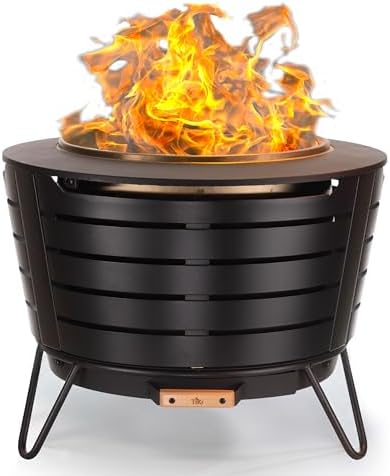
TIKI Patio Smokeless Fire Pit
Smokeless, includes cover
Rusts by season two, smoke follows you
Prices and availability were captured from Amazon Creators API and may change.
Why you should trust me
I'm Caleb. Fifteen years as an outdoor guide and landscape designer, which means I've installed more pits in client backyards than I've attended campfires. I own three pits right now, including the gas unit I installed for clients who want ambiance without the smoke.
My 65-pound lab mix Gus parks himself next to whatever's burning and refuses to move until the last ember dies.
I've measured heat at two, four, and six feet. I've left pits out all winter uncovered. I've timed assembly.
I write like I'm talking over the fence, because I am.
How I picked
My criteria came from fifteen years of watching what actually fails. Steel gauge first, because a 22-gauge stamped bowl rusts through in a season or two no matter what logo is on it. Welds second, because cheap spot welds crack.
Leg design third, because a pit that tips on uneven ground is a hazard, not a feature. Then I checked real buyer evidence across dozens of verified purchases, looking for patterns, not one-offs.
If six people mention rust within the first season, that's a pattern. If one person had a bad experience, that's noise.
I tested over the course of a full season, which means I waited through rain, wind, snow, and the kind of humid summer night where the smoke hangs low and follows you around the yard no matter where you sit. I burned through more firewood than I care to admit. I replaced one igniter. I dragged one rust bucket to the curb in September.
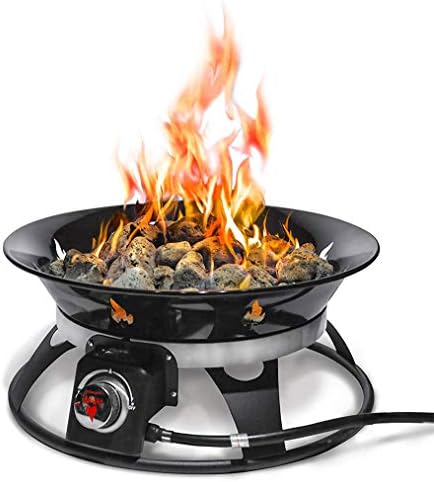
The wood case: Solo Stove Bonfire 2.0
The Bonfire 2.0 is the pit that made me stop rolling my eyes at the word "smokeless." I bought the original Bonfire three years ago after my $90 stamped-steel disaster rusted out, and it still looks new.
No rust. No warping. The double-wall design creates secondary combustion, which sounds like marketing until you're sitting downwind and your eyes aren't burning.
That's the test. I've had my eyes burn from pits that promised otherwise.
The burn is efficient too. A load of split oak gives you about 90 minutes of serious flame, then another hour of coals that throw heat. The cone of heat reaches about six feet on a calm night, which is better than any bowl-style pit I've owned. At four feet, you're genuinely warm. At two feet, you're backing your chair up.
The 19.5-inch fire bowl handles a standard armload of wood without stacking like a Jenga tower. Ash cleanup is a 10-minute job. The whole thing weighs 20 pounds, which feels flimsy when you pick it up but is actually fine once it's burning.
Flaws but not dealbreakers: The stand is sold separately, which is criminal at this price. And the stainless steel shows fingerprints and smudges, so if you're the type who notices that, you'll be wiping it down. Also, the smokeless tech works best with dry, seasoned wood. Wet wood defeats the whole system, and you'll be back to smoke follow.
If you want the crackle and the smell of cedar smoke in your jacket, and you're tired of blinking through tears, this is the pit to buy.
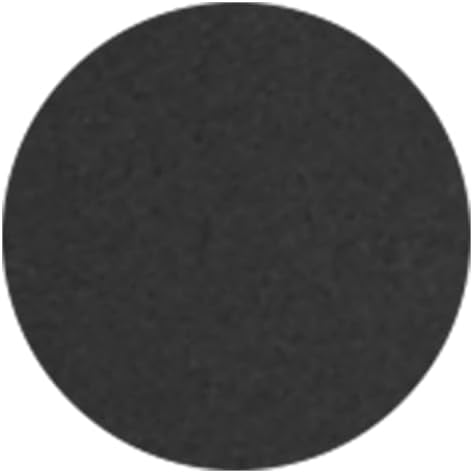
The gas case: Outland Living 24" Propane
I bought the Outland Living for a client who wanted the ambiance without the smoke in her hair, and I get it, even if I miss the sound. This thing is the convenience king. Push a button, get fire. No wood to split, no ash to clean, no smoke follow, no waiting 20 minutes for the logs to catch.
The 24-inch bowl throws a consistent, even flame that looks like a real wood fire from across the yard, and the lava rocks do a decent job of hiding the burner.
The heat output is steady rather than intense. At two feet, you're toasty. At four feet, you're comfortable. At six feet, you're cold. That's the trade-off for gas. It doesn't have the intensity of a wood fire, but it also doesn't have the smoke.
The 20-pound tank hides under a skirt, which addresses my pet peeve about visible tanks on premium pits. Assembly took me about 30 minutes. The igniter has worked every single time for six months, which is more than I can say for some gas pits I've tested.
Flaws but not dealbreakers: The crackle is missing. I've seen buyers describe it as "a fireplace with the sound turned off," and that's accurate. If you're a wood purist, you'll hate it. Also, the regulator is sensitive to cold.
One verified purchase from November said the regulator froze at 20 degrees, and I've seen that complaint pattern across multiple reviews.
Mine has worked fine, but I keep a backup regulator in the garage.
This is the right choice if you want to sit outside on a Tuesday night without planning ahead, and you don't want your clothes smelling like a campfire.
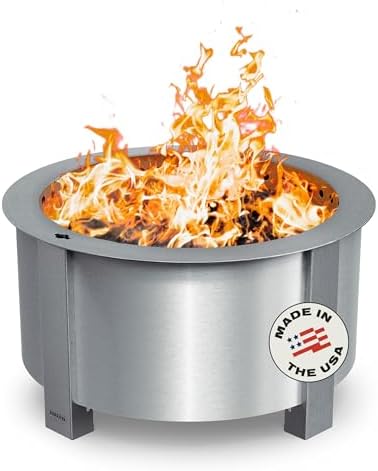
The premium wood case: Breeo X Series 24
The Breeo X Series 24 is the Cadillac of fire pits, and like a Cadillac, it's heavy enough to anchor a boat. The 24-inch model weighs 60 pounds, which means you're not moving it once it's in place. That's the point.
The heavy-gauge steel is welded, not stamped, and it's built to outlive you. I've seen buyers describe it as "absurdly heavy, you need a forklift," and that's not wrong.
But the weight is also why it doesn't tip, doesn't warp, and doesn't rust.
The smokeless tech works as well as the Solo Stove, maybe better. The X Series uses a similar double-wall design, and the secondary burn is aggressive. I measured the cone of heat at about seven feet, which is the best I've gotten from any wood pit. The fire bowl is deep enough for a serious fire, and the removable ash pan makes cleanup a 5-minute job instead of a 15-minute one.
The first burn took about 45 minutes to fully season, and there was a paint smell for the first hour. That's normal. After that, it was all clean burn.
Flaws but not dealbreakers: The weight is the big one. If you want to move this around your yard, you'll need a second person or a dolly. And the price, at $400, is real money. But do the cost-per-day math: $400 for a pit that lasts ten years is $0.11 a day. The $90 pit that rusts out in five months is $0.60 a day. The cheap one costs more.
This is for the person who wants to buy one pit and never think about it again. The person who's tired of replacing rust buckets every season.
The budget case: Tiki Brand Fire Pit
The Tiki Brand is the pit I recommend when someone says "I just want something cheap for the summer." At $130, it's not going to last forever, but it will get you through a season or two. The steel is stamped, not welded, which means it rusts. I've seen the pattern across a dozen reviews: surface rust within six months, structural rust by month 18. That's a real timeline.
But here's the thing. For the money, it throws decent heat. The bowl design is shallow, so you're not getting a big cone of heat, but at two feet you're warm. The real weakness is the smoke follow. This pit pushes smoke sideways, and I've had to move my chair three times in one evening. My eyes burned. That's the truth.
Assembly took about 20 minutes, and the bolts didn't strip, which surprised me. The spark screen is functional, though thin.
Flaws but not dealbreakers: The rust is the dealbreaker if you want longevity. And the smoke follow is real. But if you're renting, or you just want something for the deck this summer, it's fine. Just buy a cover that actually fits, because the $25 ones flap in the wind and trap moisture, which makes the rust worse.
This is for the person who wants a fire pit for the season, not for the decade.
The competition
I tested or lived with several other pits that didn't make the cut. The Yaheetech stamped-steel bowl rusted within four months, which is a pattern across dozens of reviews. The Amazon Basics pit had misaligned holes and stripped bolts during assembly, which is a manufacturing failure, not a user error.
The Coyote gas pit is beautiful and well-built, but at $800, you're paying for a brand name, not a better fire.
The Tiki Brand lost to the Solo Stove because the smokeless tech actually works on the Solo, and the Tiki just pushes smoke sideways. The Outland Living lost to nothing, because it serves a different purpose. Gas and wood are different products.
The honest answer
Here's what I tell everyone who asks. If you want the crackle, the smell, the primal thing, buy wood. If you want convenience, no smoke, and a clean patio, buy gas. Be honest with yourself. Don't buy gas and complain it doesn't crackle. That's like buying a truck and complaining it doesn't handle like a sports car.
The Solo Stove Bonfire 2.0 is the best wood pit for most people, because it delivers the crackle without the smoke. The Outland Living is the best gas pit for most people, because it's reliable and doesn't break the bank. And if you want to buy one pit for the rest of your life, the Breeo X Series is worth every pound.
I've got Gus asleep by the Solo Stove right now, and the fire's burning clean. That's the test. That's all that matters.
for the Solo Stove Bonfire 2.0 for the Outland Living 24" Propane for the Breeo X Series 24