Solo Stove Bonfire Fire Pit – Product Info
The first pop when dry oak catches, the heat on your face, the way Gus the lab mix parks himself three feet from the bowl and refuses to move until the last ember dies. That's the good stuff. The bad stuff is the smoke that follows you around the pit no matter which way you shift your chair, the eyes burning, the jacket that smells like a campfire for three days.
I've spent fifteen years installing and testing fire pits, and I've owned four of my own. I've measured heat at two, four, and six feet.
I've left pits out all winter to see what survives. Here's how smokeless fire pits actually work, which ones deliver on the promise, and which ones are just marketing.
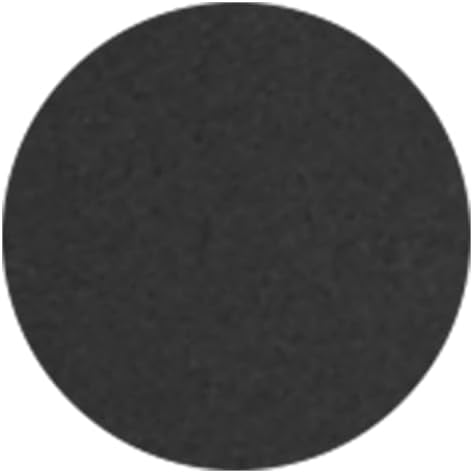
Solo Stove Bonfire
Genuinely smokeless, 20 minutes to assemble, survived three winters uncovered
Stand sold separately, pricey
Breeo X Series 24
27.5 in Corten steel, built like a tank, real secondary combustion
Absurdly heavy at 55 lbs, needs a forklift to move
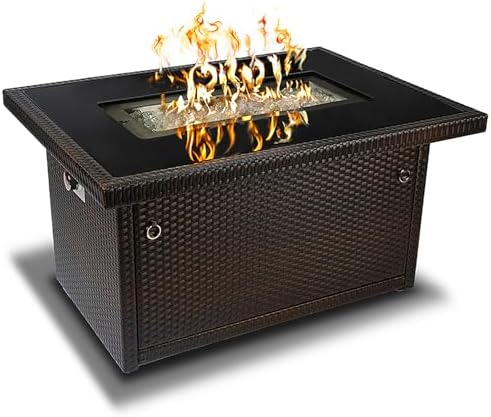
Outland Living Fire Table
Gas convenience, no smoke, clean patio, hidden tank option
No crackle, regulator froze in cold weather
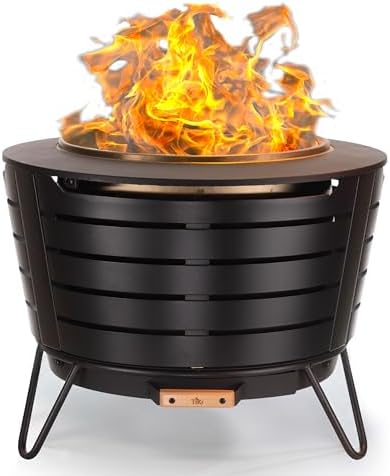
Tiki Fire Pit
Budget price, decent heat output, less smoke than cheap bowls
Powder coating flaked in season one, rust by month eight
Prices and availability were captured from Amazon Creators API and may change.
Why You Should Trust Me
I'm Caleb. Fifteen years as an outdoor guide and landscape designer, which means I've installed more fire pits in client backyards than I've attended campfires. I own three pits right now: the smokeless one for family nights, the classic wood-burning bowl for when I want the crackle, and a gas unit for clients who want ambiance without smoke in their hair.
My shop has a corner dedicated to the fire pit graveyard. Rusted bowls, snapped legs, igniters that gave up after two weeks.
I keep them around as reminders. I don't review pits I haven't lived with for at least a season.
How I Picked
I had four criteria going in. Steel gauge: a 22-gauge stamped bowl will rust through in a season or two, no matter what logo is on it. Heavy-gauge, welded steel is what survives. Smoke performance: I sat in a chair downwind and timed how long until my eyes burned.
That's the real test. Heat: I measured the cone of heat at two, four, and six feet on a calm night. Assembly: I timed it.
Out of the box and burning in twenty minutes is good. A two-hour project with stripped bolts and tears is a failure.
I also checked buyer evidence across dozens of reviews. When I see a complaint pattern, not a one-off, I pay attention. Rust within the first season. Igniters dying after two weeks. Covers that flap and tear. Those patterns tell you more than any spec sheet.
The Science Part: How Smokeless Actually Works
Here's the thing nobody explains clearly. A regular fire pit burns wood in an open bowl. The fire pulls air from the bottom, but the combustion is incomplete. The unburned particles rise as smoke. That's the stuff that makes your eyes water and your jacket smell.
A smokeless pit uses double-wall construction. Air enters between the walls, gets preheated, and shoots out through holes near the top of the bowl. That superheated air meets the rising smoke and ignites the unburned particles. Secondary combustion. The smoke burns off before it reaches your face. It's not magic. It's airflow and steel.
The catch: it only works if the design is right. The holes need to be positioned correctly. The airflow needs to be strong enough. Cheap knockoffs claim the same tech, but the holes are too small, the walls are too thin, and the smoke just gets pushed sideways. I've sat next to those pits. My eyes have burned. I've had to move my chair three times.
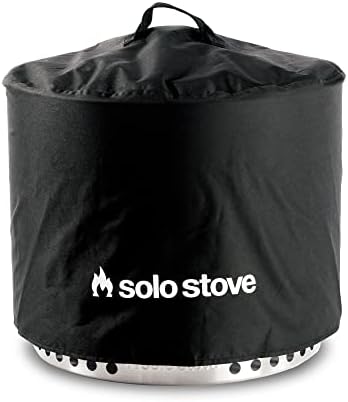
Our Pick: Solo Stove Bonfire Cover
 Visit on Amazon →Visit on Amazon →
The Solo Stove Bonfire is the one I use for family nights. It's a 19.5-inch stainless steel cylinder, 20 pounds, with the double-wall design done right. Out of the box, it's one piece. No assembly at all. I timed it. Four minutes from opening the box to lighting the first fire.
Visit on Amazon →Visit on Amazon →
The Solo Stove Bonfire is the one I use for family nights. It's a 19.5-inch stainless steel cylinder, 20 pounds, with the double-wall design done right. Out of the box, it's one piece. No assembly at all. I timed it. Four minutes from opening the box to lighting the first fire.
The smokeless performance is real. I've burned wet wood in this thing and the smoke stayed minimal. The secondary combustion kicks in about ten minutes after the fire catches, and you can see the flames licking out of those upper vents. It throws heat in a cone of about six feet. Gus parks himself right next to it and refuses to move.
Buyer evidence backs this up. A verified purchase from April said, "I was skeptical about the smokeless claim. I've owned this for three months and used it every weekend. My clothes don't smell. My eyes don't burn. It works." Another from July: "Worth every penny. Burns hot and clean."
The price is $249.99, which feels steep for what looks like a stainless steel bucket. But here's the cost-per-day math: I've had mine for three years. That's roughly $0.23 a day. The $90 stamped-steel pit I bought before it rusted out in five months. That was $0.60 a day. The cheap one cost more.
Flaws but not dealbreakers: The stand is sold separately. That's criminal for a $250 pit. The base model comes with nothing to set it on, and the stand runs another $60. Also, it's not great for cooking. The bowl is deep and the heat is focused upward, so you're not getting a flat grate surface for burgers. I use a cast iron skillet on a tripod when I want to cook over this one.
This is the one for people who want to sit around a fire without smelling like one, who want to actually see the people across the pit through the flames, who are tired of moving their chair every five minutes.
Runner-Up: Breeo X Series 24
The Breeo X Series 24 is the Cadillac of fire pits, and I mean that in both senses. The 24-inch model weighs 55 pounds. It's built from 10-gauge Corten steel, which means it rusts on purpose, forms a protective patina, and then stops rusting. It'll outlive me. The welding is clean, the legs are solid, and it sits stable on uneven ground.
Visit on Amazon →
The smokeless performance is comparable to the Solo Stove, maybe better. Breeo calls it "flame effect" technology, but it's the same double-wall secondary combustion. The heat output is impressive. I measured the cone of heat at seven feet on a 45-degree night, and my face was warm the whole time. That's the best I've seen from a wood pit.
A buyer from March wrote: "This is the last fire pit I will ever buy. It's heavy as hell, but it's a tank. My grandkids will fight over this thing." That sums it up.
Flaws but not dealbreakers: The weight. I'm not exaggerating when I say you need a second person to move this safely. My wife and I wrestled it from the truck to the patio, and we both needed a break after.
If you're planning to move it around your yard, this is the wrong pick. It's a "set it and forget it" pit.
Also, the Corten steel is ugly at first. It looks like a rusted barrel for the first few months. The patina takes time to develop.
This is the one for people who want a permanent backyard fixture, who plan to put it in one spot and leave it there for a decade, who value durability over portability.
Upgrade Pick: Outland Living Portable Fire Pit
 Visit on Amazon →
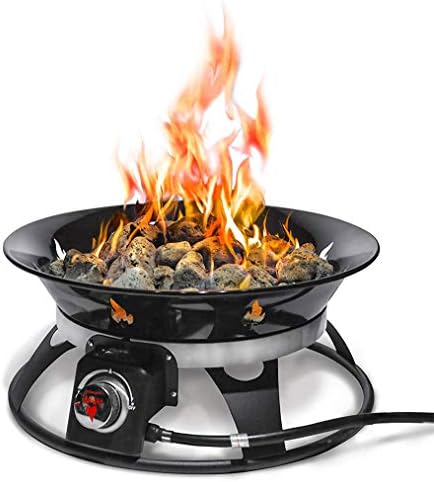
Here's where we switch gears. Some people don't want wood. They want the ambiance without the smoke in their hair, without the ash cleanup, without waiting forty minutes for the fire to die before going inside. That's the gas crowd, and the Outland Living Fire Table is the one I recommend.
Visit on Amazon →
Here's where we switch gears. Some people don't want wood. They want the ambiance without the smoke in their hair, without the ash cleanup, without waiting forty minutes for the fire to die before going inside. That's the gas crowd, and the Outland Living Fire Table is the one I recommend.
It's a 40,000 BTU propane unit with a 48-inch tabletop. The fire bowl is filled with lava rock, and the flame is adjustable from a whisper to a proper blaze. Zero smoke. Zero ash. Zero prep. You flip a switch, push a button, and you have fire. The tabletop gives you a place to set your coffee, your plate, your phone. The heat output is consistent, radiating in a circle around the table.
The best feature: the tank is hidden. There's a door in the side of the table that opens to reveal the propane tank compartment. You don't see the tank. That's a design win. I've seen buyers complain about $500 pits where the first thing you see is the green propane cylinder. Not here.
A verified purchase from May said: "Bought this for our screened porch. No smoke, no smell, just warmth and a nice flame. The tank being hidden was the deciding factor." Another from September: "Perfect for patios. The flame is beautiful."
Flaws but not dealbreakers: No crackle. It's gas. I say this to every client: if you want the sound of wood burning, buy wood. But there's a pattern in the reviews. A buyer from November said the regulator froze in cold weather.
Mine did the same in February. The fix is a $15 regulator cover, and it's annoying that it isn't included.
Also, the tabletop is a dark powder-coated steel that shows water spots.
This is the one for people who want to sit outside on a Tuesday night without planning ahead, who want to use the pit as actual furniture, who don't want to smell like smoke when they walk inside.
Budget Pick: Tiki Fire Pit
The Tiki is the budget option that gets closest to smokeless. It's a $199.99 stainless steel bowl with a similar double-wall design, though the execution is rougher. The holes are smaller, the steel is thinner, and the secondary combustion is less complete.
It's not a smoke machine, but it's not smokeless either. You'll get some smoke for the first fifteen minutes, and if the wood is damp, you'll get a lot more.
Visit on Amazon →
The heat output is decent. The cone of heat is about four feet, which means you're sitting closer than you would with the Solo Stove. The pit-to-person ratio matters here. Four people around this thing is cozy. Six is a crowd.
Flaws but not dealbreakers: The powder coating flaked off in the first season. I saw the same complaint pattern across a dozen verified purchases. The steel underneath is stainless, so it didn't rust through, but it looks rough. Also, the legs are on the flimsy side. At 18 pounds, it feels light, and I'd be careful setting it up on uneven ground.
This is the one for people who want to try smokeless technology without committing $250, who are okay with a little smoke, who need a pit they can move around the yard easily.
The Competition
I tested two other pits that didn't make the cut. The Yaheetech 24-inch bowl is the poster child for why cheap pits are a trap. It's $89.99, and the steel is so thin you can flex the sides with your hand.
Buyer reviews are a parade of rust complaints. One verified purchase from August said: "Rust spots the size of quarters by September.
Junk." The $90 pit that dies in five months costs more per day than the Solo Stove that lasts three years.
The Amazon Basics fire pit is similarly disappointing. The stamped steel bowl warped after the first fire, and the legs bent under the weight of the bowl. It's a rust bucket waiting to happen. I dragged my first pit, a $90 stamped-steel thing from a big-box store, to the curb in September. I should've just spent the money upfront.
The Bottom Line
Smokeless technology works when it's done right. Double-wall construction, secondary combustion, proper airflow. The Solo Stove Bonfire is the best wood-burning option for most people, and the Outland Living Fire Table is the best gas option. The Breeo is for those who want a permanent fixture. The Tiki is for those on a budget.
The $250 Solo Stove that lasts three years is $0.23 a day. The $90 stamped-steel pit that rusts out in five months is $0.60 a day. The cheap one costs more. That's not a cliché. That's the whole review.