I have built more fire pits than I have sat around, which is a strange confession for a guy who writes about them. Fifteen years of landscape work in these mountains, three pits of my own out back, and a truck bed that has hauled everything from a fifty dollar chiminea that cracked before Halloween to a client's steel monster that took two people and a hand truck to place. When someone asks me to help them sort through fire pits for outside, the conversation almost never starts with brands. It starts with three questions: what are you burning, where does the smoke go, and how thick is the metal.
Related: Smokeless Fire Pit Basics: How Secondary Burn Actually Works
The best fire pit for most backyards in this group is the 43 inch large fire pit with two adjustable grills, a lid, and a fire poker. It covers cooking, ambiance, and a genuinely large burn area without a premium smokeless price tag. If smoke in your face is the one thing you cannot tolerate, the Breeo X Series 24 is the pit that solves it, and you pay for that solution. If you camp or tailgate, the Ignik FireCan is the only one here you can carry in one hand. If your space is a balcony or a small patio, the 15.7 inch small fire pit is the honest budget answer.
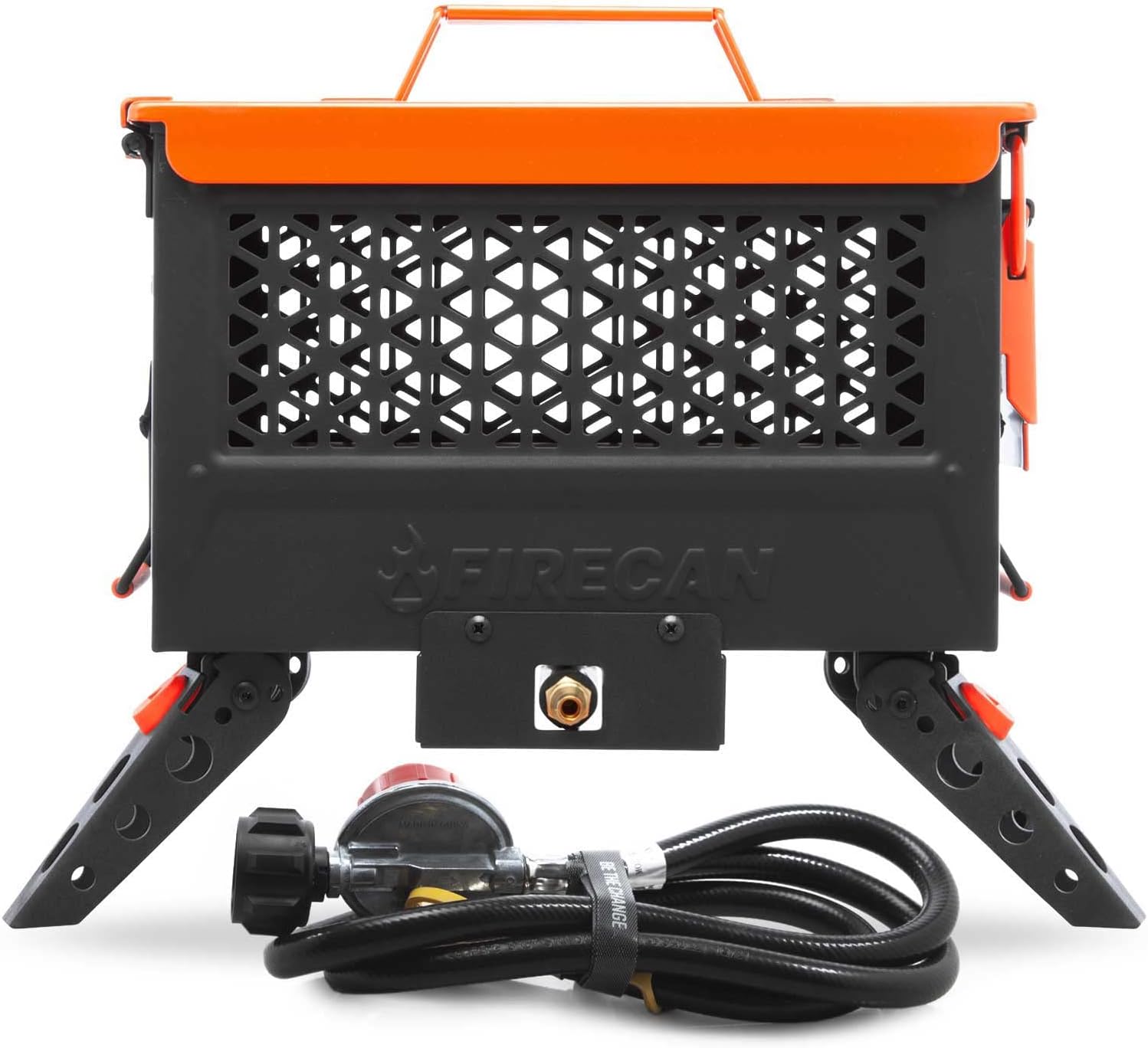
15.7 inch Small Fire Pit for Outside, Outdoor Wood Burning
Real wood fire in a footprint that fits a balcony or a tight patio
Short burns, frequent reloading, and the thinnest steel of the group
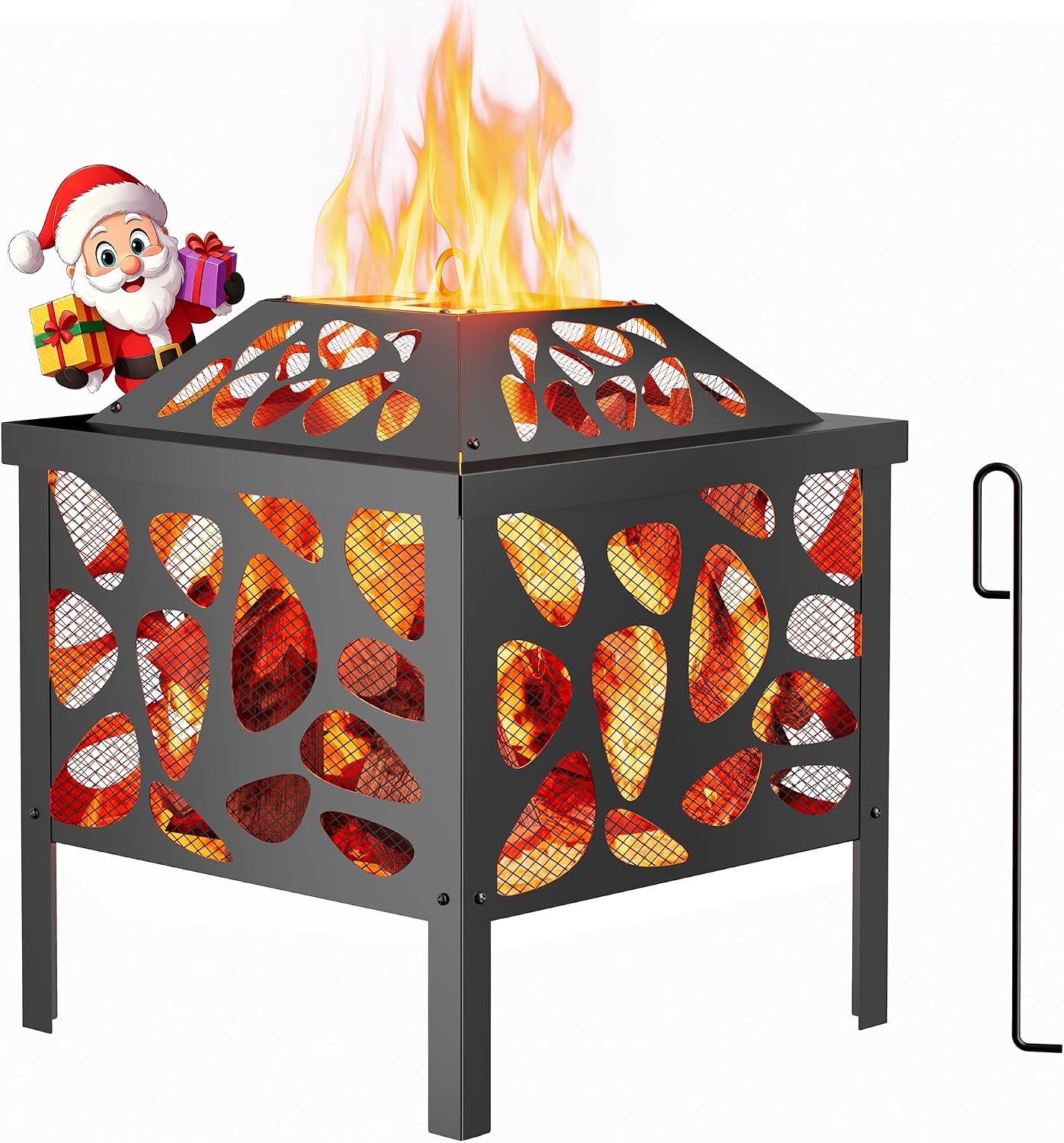
43" Large Fire Pit for Outside with 2 Adjustable Grills,Lid & Fire Poker
Biggest burn area here, plus grills, a lid, and a poker in the box
No secondary burn, so smoke follows the wind, and it is heavy enough to stay put
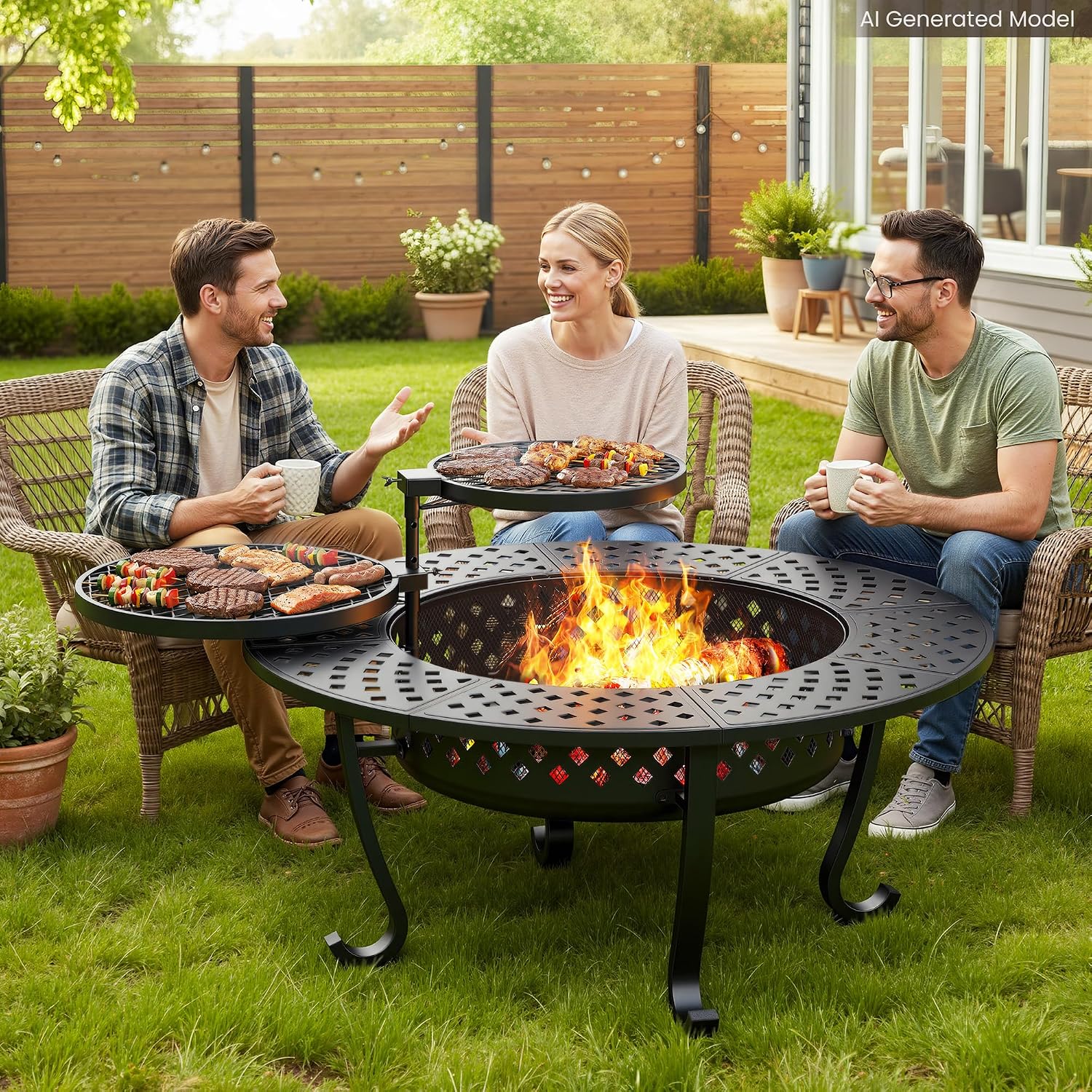
Ignik FireCan Portable Propane Fire Pit with Hose and Regulator
The only one you can carry, and the only one with no smoke, ash, or kindling
You are buying convenience, not a campfire, and you still need a propane tank
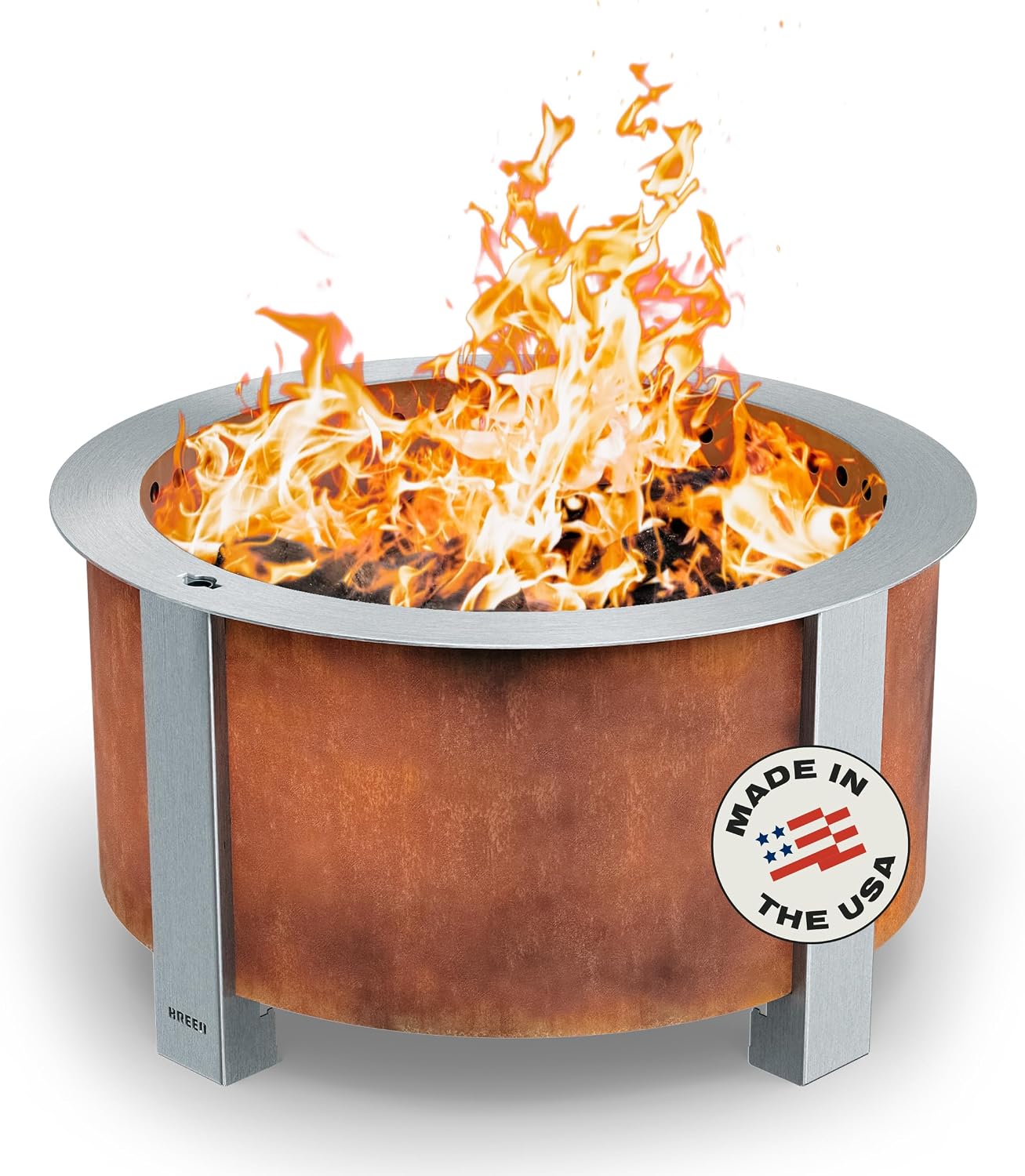
Breeo X Series 24 - Corten Steel Smokeless Fire Pit for Outside - 27.5 in
Smokeless design that lets you sit downwind, in weathering Corten steel
The premium price of the group, and the patina has to be understood before it sits on a patio
Prices and availability were captured from Amazon Creators API and may change.
How I judge a fire pit
Fire is simple. Steel and airflow are the hard parts. After enough seasons of this, my checklist is short and unforgiving.
Steel gauge decides the lifespan. The thickness of the bowl and the wall is the whole story. Thin steel warps on the first hot burn, rusts through by the second season, and dumps a pile of ash onto whatever is underneath it. Thicker steel holds heat, holds shape, and holds up to weather. If a listing will not tell you how thick the metal is, that is usually an answer too.
Smoke management is the feature, not a bonus. A pit that smokes you out of your own yard is a fireplace with a seating problem. Double wall construction with a secondary burn is what actually reduces smoke, because it burns the smoke a second time before it reaches your face. Everything else is marketing.
The spark screen is not optional. I have watched an ember land on a cedar deck, and I have watched a homeowner spend a weekend sanding and refinishing because a pit came with no screen and no lid. If it does not come with one, buy one, or buy a pit with a lid.
Weather is the silent test. A pit that cannot survive a season of rain was a decoration, not a purchase. Look for drain holes, a cover, or a material that weathers instead of rotting.
The 15.7 inch small fire pit: the starter pit
This is a small wood burning pit at 15.7 inches across, which puts it in the category I call the starter pit. It fits a balcony, a small patio, or the corner of a yard where a full size pit would crowd the chairs. It burns real wood, so you get the actual experience: the crackle, the smell, the ritual of feeding it.
The trade-offs are honest ones. A bowl that size means short burns and frequent reloading, so it is an evening pit, not an all night one. Small pits are also where manufacturers tend to use the thinnest steel, so a cover matters more here than anywhere else. You will want a spark screen, and you will be emptying ash more often because there is less room for it.
Buy it if you rent, if your outdoor space is measured in feet, or if you want a first pit without committing to a permanent footprint. Visit on Amazon →
The 43 inch large fire pit: the do everything pit
Forty three inches of burn area, two adjustable grills, a lid, and a fire poker in the box. That combination is why this is my pick for most backyards. The grills swing over the coals so you can actually cook, not just hold hot dogs near a flame. The lid does double duty: it catches embers while the fire is settling, and it can be set over the bowl to smother the fire at the end of the night instead of letting it burn down on its own. The poker is a small thing, but a pit that ships with its own tool is a pit somebody thought about.
What you give up is smoke control. There is no double wall and no secondary burn here, so when the wind shifts, the smoke shifts with it. It is also heavy and it is big, which means a permanent spot rather than something you move for mowing day. And more burn area means more ash to deal with.
Buy it if you host, if you want to cook over wood, and if you have the patio space to leave it in place. Visit on Amazon →
The Ignik FireCan: the portable propane answer
The FireCan runs on propane and includes the hose and regulator, which means you can feed it from a standard tank instead of buying disposable canisters all season. That detail matters more than it sounds. It is the only pit in this group you can genuinely carry, and it is the only one that gives you a fire in about a minute with no kindling, no smoke, and no ash.
What you are buying is convenience, not a campfire. A propane flame throws heat and light, but it does not throw the smell, the crackle, or the slow build of a wood fire. If your idea of a fire night involves poking logs, this is not that. You also still need to supervise it, and you still need to think about where the tank sits.
Where it earns its place: decks and patios with wood burning restrictions, dry seasons when a wood fire is a bad idea, tailgates, and evenings when you want twenty minutes of fire without an hour of setup and cleanup. Visit on Amazon →
The Breeo X Series 24: the smokeless premium pick
This is the one for people who are serious about the backyard. The X Series 24 is Corten steel, 27.5 inches across, and built around a smokeless design. Corten is weathering steel: it is meant to develop a rust patina on the surface and then stop, rather than rusting through the way painted mild steel does. That is a different material decision than the budget pits make, and it is the main reason this one costs what it costs.
The smokeless design is the other reason. Secondary burn is not a gimmick, it is combustion. When the pit pulls air through a double wall and re-burns the smoke above the fire, you can sit downwind and stay there. That is the whole experience difference, and it is why I keep a smokeless pit for family nights and a classic wood pit for the nights when I want the real thing.
The trade-offs: it is heavy, it is the most expensive option here by a wide margin, and the weathering steel patina is something to understand before it sits on a light colored patio. It also wants a cover if you plan to leave it out through winter.
Buy it if you burn often, you hate smoke, and you would rather buy once. Visit on Amazon →
Wood versus gas, without the marketing
Wood is the experience. Gas is the convenience. Do not let anyone sell you a gas pit as a wood fire, and do not let anyone tell you a wood pit is effortless.
Wood gives you crackle, smell, the ritual of building and feeding a fire, and real radiant heat once you have a bed of coals. It also gives you smoke, ash, sparks, and a pit that needs cleaning. Gas gives you instant on and off, no smoke, no ash, no hauling wood, and a flame you can dial. It also gives you a fire that feels a little like a stage prop after the novelty wears off.
The honest way to choose: think about the last ten times you wanted a fire. If most of them were quick weeknight evenings, gas wins. If most of them were weekend nights with friends who stayed until the logs were ash, wood wins. And if smoke is what ruins it for you, that is when you pay for a smokeless design rather than switching fuels.
The trade-offs nobody puts on the box
Ash. Every wood pit makes it, and somebody has to scoop it. Small pits fill up fast.
Weight and permanence. A 43 inch steel pit is not moving for mowing day. Portability is for campers, weight is for permanence. Decide which one you are before you buy.
Storage. A pit left out in the rain ages three times as fast as one with a cover. Factor a cover into the budget.
Wind. The direction the smoke goes is the direction the wind goes, unless the pit was designed to burn it off. Site your pit where the prevailing evening breeze carries smoke away from the seating, not across it.
Local rules. Some neighborhoods, rental agreements, and dry season restrictions limit wood burning. Check before you buy, not after.
Who should buy which
- Small patio, balcony, or first pit: the 15.7 inch small fire pit. Small enough to fit, cheap enough to try, real enough to count.
- Backyard host who wants to cook: the 43 inch large fire pit with grills and lid. The best combination of burn area, cooking, and price in this group.
- Camping, tailgating, or a wood burning ban: the Ignik FireCan. Portable, propane, no ash, no smoke.
- Serious backyard, smoke sensitive, buy once: the Breeo X Series 24. Corten steel, smokeless design, premium price.
The bottom line
The best fire pit is the one that makes your friends stay until the logs are ash, and that pit is different depending on your yard. For most people reading this, the 43 inch pit with the grills and the lid is the right answer, because it does the most things well with the fewest compromises. If smoke is the deal breaker, save for the Breeo. If you need to carry it, the FireCan is the only option. And if your space is small, start with the 15.7 inch pit and learn what you actually want before you spend more.
One last thing, and I mean it: whatever you buy, put a screen or a lid between the fire and your deck. That is not a sales pitch, it is the difference between a fire night and a deck repair.