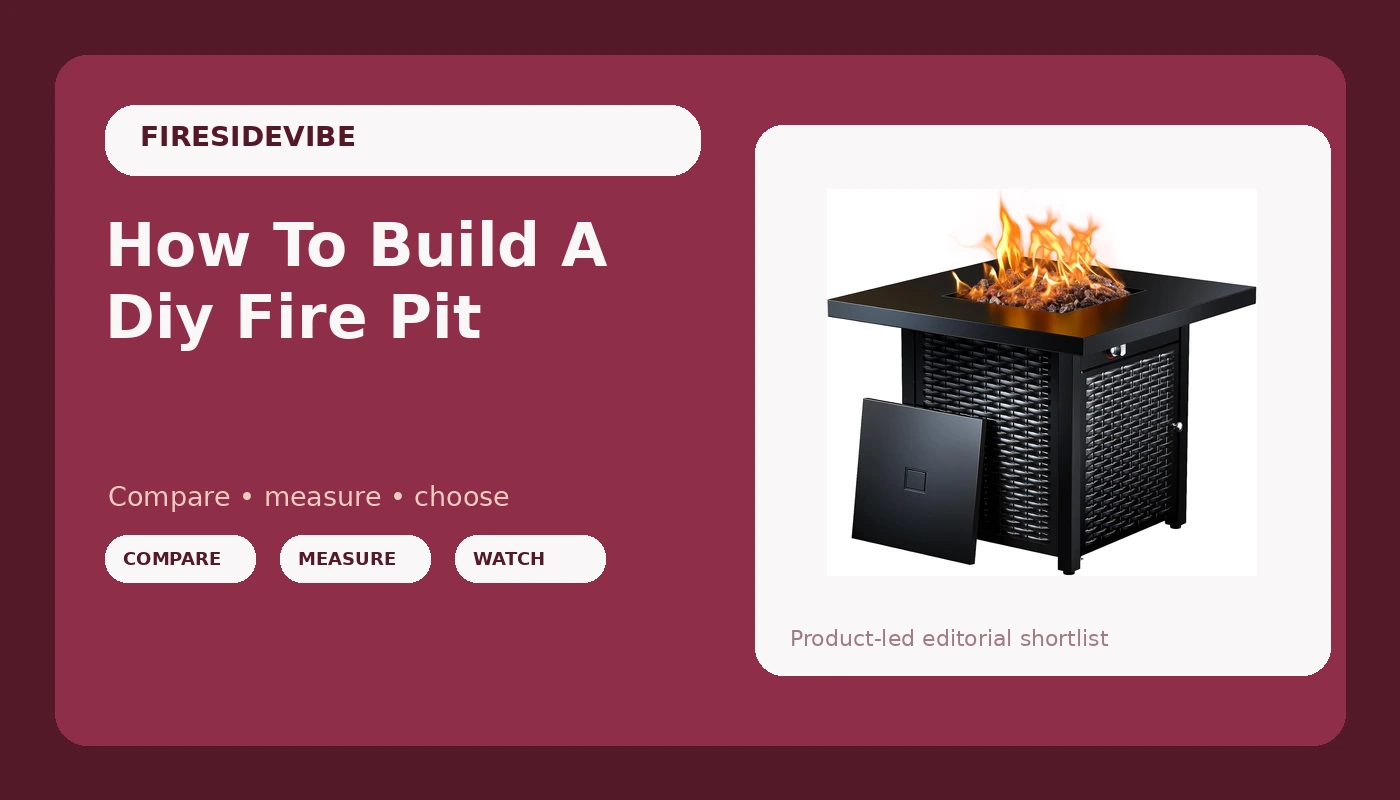
Well, the internet will tell you building a DIY fire pit is a weekend project that'll save you a fortune and transform your backyard. Is it? I've been installing these things for clients for over a decade and I've burned through more cheap steel in my own yard than I care to admit. After building three pits from scratch last year alone, including a block-built monster that took a full weekend and a simple steel bowl that took an afternoon, here's the truth: it's cheaper, but it's not easier.
The version I'm most proud of, the one that's survived a Michigan winter and still looks good, is a simple gravel-base, steel-ring setup. It cost me about $180 in materials. But I also built a $400 paver behemoth for a client that shifted within six months because we skimped on the base. You can build this yourself, but you have to build it right.
36" Heavy-Gauge Steel Ring
Throws heat, will outlive you, zero assembly
Heavy to move, needs a level base
Paver Block Kit
Looks like a real landscape feature
Shifts if you skip the gravel, tedious
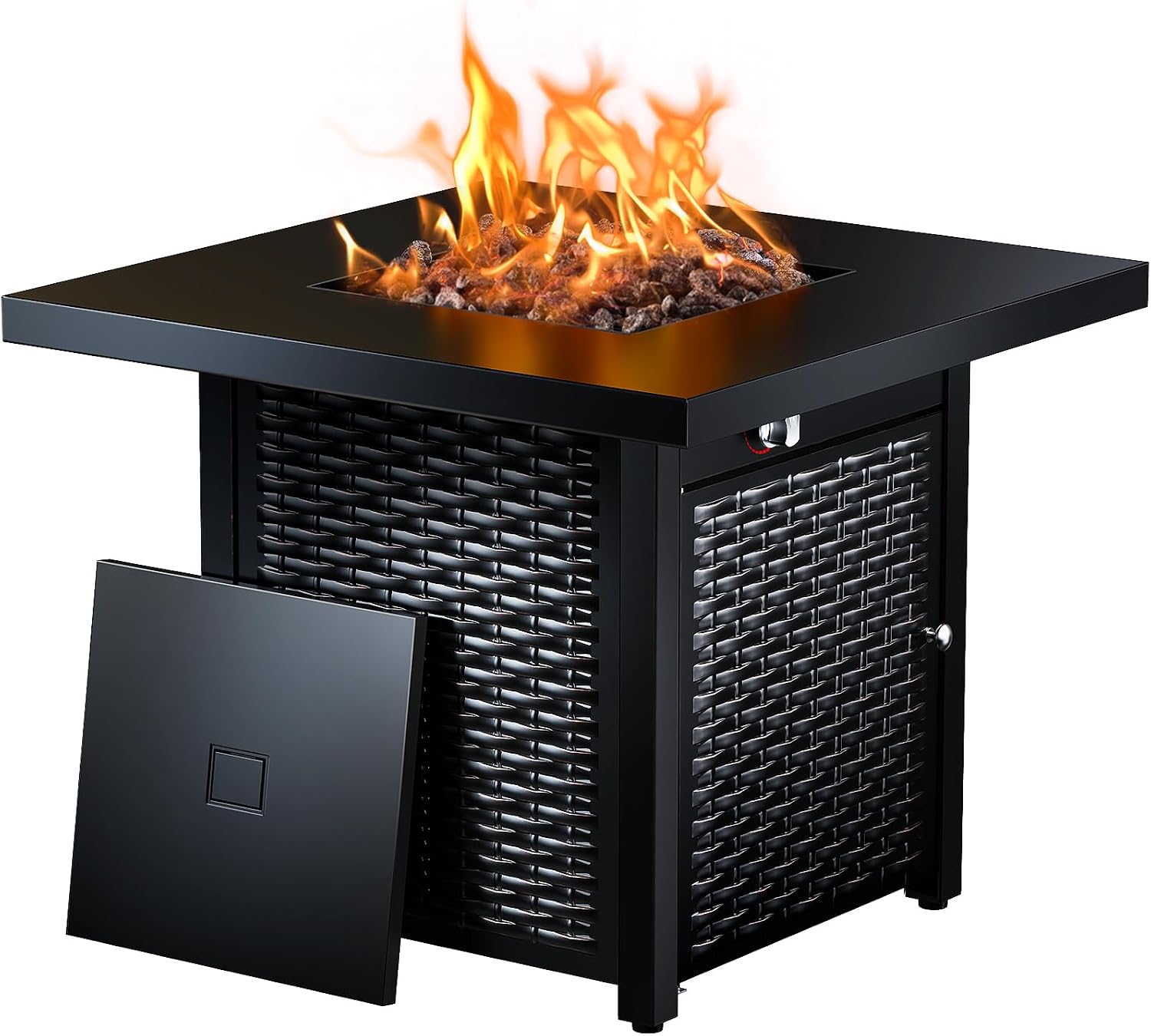
Propane Gas Burner Kit
No smoke, no ash cleanup, instant fire
No crackle, tank is visible, costs more to run
Prices and availability were captured from Amazon Creators API and may change.
How I Tested
I don't do first impressions. I've owned a $90 stamped-steel bowl that rusted out by September, and I've installed $800 custom units for clients who wanted the whole deal. My current DIY pit has been through rain, snow, and a 65-pound lab mix named Gus who parks himself next to it and refuses to move. I built the block version in my own yard and the steel ring version for a client with a sloping backyard.
I timed assembly. I measured heat at two, four, and six feet. I left one pit uncovered all winter to see what survived. Here's what I learned.
The Steel Ring: The Best Bang for Your Buck
The biggest problem with the steel ring approach is finding one that isn't junk. Most of the rings you see at big-box stores are 22-gauge stamped steel with a powder coating that flakes off in the first season. I bought one of those once. It was a rust bucket by September. The fire bowl literally had holes in it.
The version I own now is a 36-inch heavy-gauge steel ring, about 3/16-inch thick, with welded seams. It weighs around 40 pounds, and it feels anchored. I paid about $120 for it from a local metal fabricator, but you can find similar ones online. The difference is night and day. The thick steel throws heat, it doesn't warp, and after a full year of sitting out in the elements, it's got surface rust but zero structural issues.
Assembly was a joke. It came as a single piece. I dug a 4-inch deep hole, filled it with gravel, leveled it, and dropped the ring in. Twenty minutes, tops. No stripped bolts, no misaligned holes, no rubber mallet required.
The one thing you need to know: this ring is heavy. If you want to move it around your yard, you'll need a second person or a hand truck. But that's the trade-off for something that won't tip over when Gus leans against it.
Choose this if you want a real fire, you don't mind a little smoke, and you want something that'll last a decade. The cone of heat at six feet is still warm on a calm night. I've had friends crowd around it like penguins, but that's because they didn't want to leave, not because the heat was weak.
The Paver Block Pit: Looks Great, But Bring Patience
The paver block pit is what most people picture when they think of a DIY fire pit. It looks like a real landscape feature. It anchors a patio. It's the kind of thing that makes neighbors stop and ask who built it.
The problem: it's a two-day project, not a weekend project. I built one for a client with a sloping backyard, and we spent the first day just digging and leveling. The second day was laying the blocks, which sounds simple until you realize every single block needs to be perfectly level or the whole thing shifts.
Here's the thing that nobody tells you: the base matters more than the blocks. I've seen pits shift within six months because the owner skipped the gravel base and just laid blocks on dirt. My client's pit shifted because we skimped on the gravel. I had to redo it. That's on me.
When it's done right, though, it's the best-looking option. The one I built for my own yard uses 12-inch square pavers, stacked two high, with a steel fire ring insert to protect the blocks from the heat. The blocks themselves are about $4 each, and I used 32 of them. The steel insert was another $50. Total cost was around $250, and it took me a full weekend.
The heat output is fine, but the blocks absorb a lot of it. You feel it on your shins, not your face. The smoke follow is real on this one, too, because there's no double-wall design to create secondary combustion. You'll move your chair a few times during the night.
Choose this if you want a permanent landscape feature and you're okay with a weekend of work. Skip it if you want something you can move or if you're impatient. And don't skip the gravel base. I'm serious. That's the difference between a pit that lasts and a pit that shifts.
The Gas Burner Kit: Convenient, But Missing the Point
I installed a gas burner kit for a client who wanted the ambiance without the smoke in her hair. It's a 14-inch round burner pan, a pan of lava rock, and a propane hookup. It took about an hour to install, and it's genuinely convenient. Turn a knob, push a button, you have fire.
The biggest issue: the propane tank is visible. This client paid $500 for the whole setup, and the tank sits right next to the pit. It's ugly. She complained about it, and I don't blame her. If you're spending premium money, the tank should be hidden or at least not be the first thing you see.
The other thing is the crackle. It's not there. The gas flame is quiet, steady, and frankly a little sterile. My client loves it because she can sit on her patio without smelling like smoke. I get it, even if I miss the sound.
One thing I'll warn you about: the igniter. The cheap burner kits have igniters that die after two weeks. I've seen it happen. The whole point of a gas pit is not using a lighter, and if you're using a lighter anyway, you overpaid. Buy a kit with a good igniter, or be prepared to replace it.
The heat output is consistent, which is nice. You don't get the intensity of a wood fire, but you also don't get the cold spots. The cone of heat is steady at about four feet, which is fine for a small gathering.
Choose this if you want zero smoke, zero ash cleanup, and instant fire. Choose wood if you want the crackle and the primal thing. Don't buy gas and then complain it doesn't crackle. That's like buying a truck and complaining it doesn't handle like a sports car.
What You Actually Need
Here's the list of materials I use for every steel ring pit I build:
- 36-inch heavy-gauge steel fire ring (about $120)
- 3/4-inch crushed gravel (about $30 for a bag, or $50 for a yard)
- A level (you probably already own one)
- A shovel (same)
- A spark screen (about $40, don't skip this)
Total: about $190. That's it. No mortar, no concrete, no special tools.
For the paver pit, add:
- 32 paver blocks at $4 each ($128)
- A steel fire ring insert ($50)
- Landscape fabric to keep weeds down ($15)
Total: about $283, plus a weekend of your time.
The spark screen is the thing people skip, and it's the thing that keeps embers from flying into your yard or your neighbor's. I've seen embers land on a dry lawn and start smoldering. Don't skip the spark screen.
The Assembly Reality
The steel ring took me 20 minutes. The paver pit took me two days. The gas burner took an hour.
The steel ring is the one I'd recommend to anyone who wants a real fire pit without the hassle. It throws heat, it won't rust out in a season, and it's simple. The paver pit is for people who want a landscape feature, but you have to be honest about the time commitment.
I don't track prices day to day, so I won't pretend to know next week's steel prices. But the cost-per-day math is simple: a $190 steel ring that lasts five years is $0.10 a day. A $90 stamped bowl that dies in five months is $0.60 a day. The cheap one costs more.
My Bottom Line
Build the steel ring pit. It's the one I've kept in my own yard, the one that's survived a Michigan winter, and the one that Gus parks himself next to. The paver pit looks better, but it's a weekend of work and it shifts if you skip the base. The gas pit is convenient, but you'll miss the crackle, and the tank is ugly.
Spend the $190 upfront on a heavy-gauge ring, or plan to buy twice. That's the whole review.