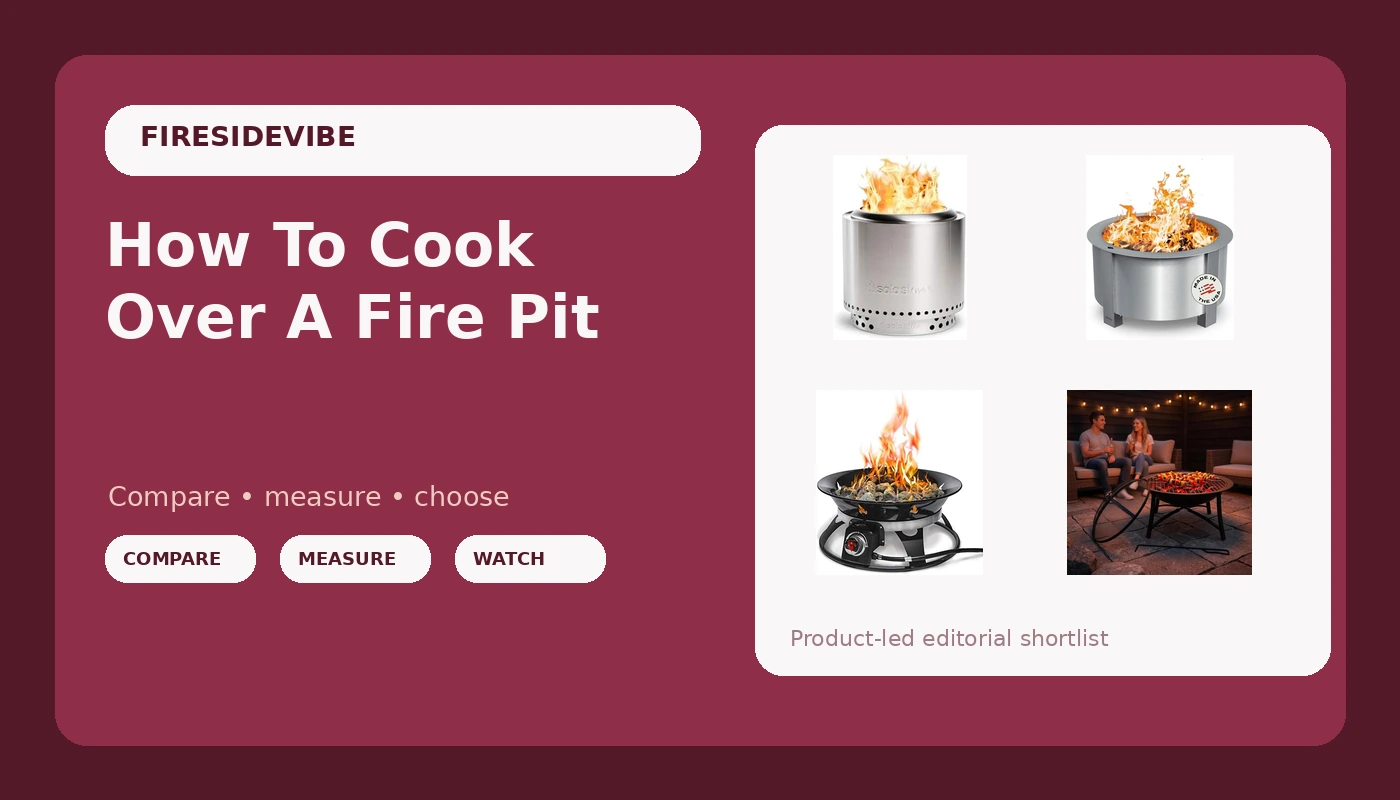
The first time I tried to cook a steak over an open fire, I stood too close, flipped it too early, and watched a perfectly good ribeye turn into a charcoal briquette while the center stayed cold. Fifteen years later, I've cooked over everything from a $90 stamped-steel bowl to a heavy-gauge Breeo that weighs more than my dog Gus.
The good news: you don't need expensive gear to cook well over a fire pit. You need to understand heat zones, choose the right setup for what you're making, and stop treating your fire like a stove.
This guide covers the actual methods I use, the tools that survive, and the mistakes that cost me more than a few dinners.
Why you should trust me
I'm Caleb. I've spent fifteen years as an outdoor guide and landscape designer, which means I've cooked over more campfires than I've had hot meals indoors. I own three fire pits right now, including a smokeless unit I use for family nights and a classic wood bowl I drag out when I want the real thing.
My shop has a corner dedicated to the fire pit graveyard: rusted bowls, snapped grill grates, and one igniter that gave up after two weeks.
I've measured heat at two, four, and six feet. I've timed how long a fire takes to produce good cooking coals.
And I've burned enough dinners to know exactly where the hot spots are.
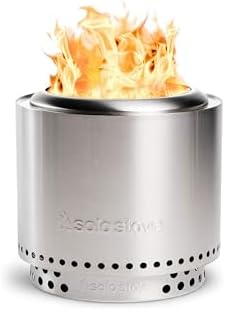
Solo Stove Ranger
Smokeless, doubles as a stove, easy ash cleanup
Small cooking surface, stand sold separately
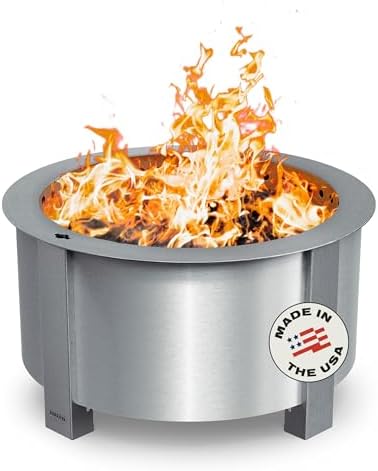
Breeo X Series 24
Heavy-gauge steel, great heat, versatile accessories
Absurdly heavy, expensive
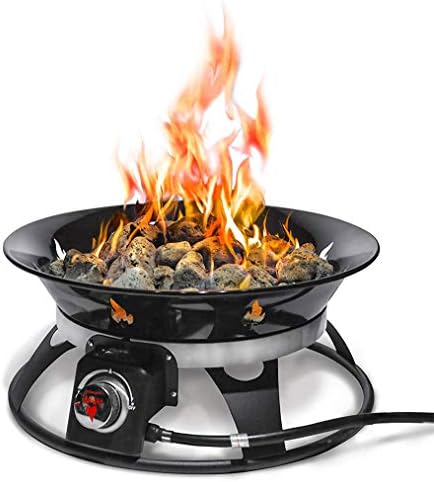
Outland Living Cypress
Gas convenience, no smoke, consistent heat
No crackle, regulator can freeze in cold weather
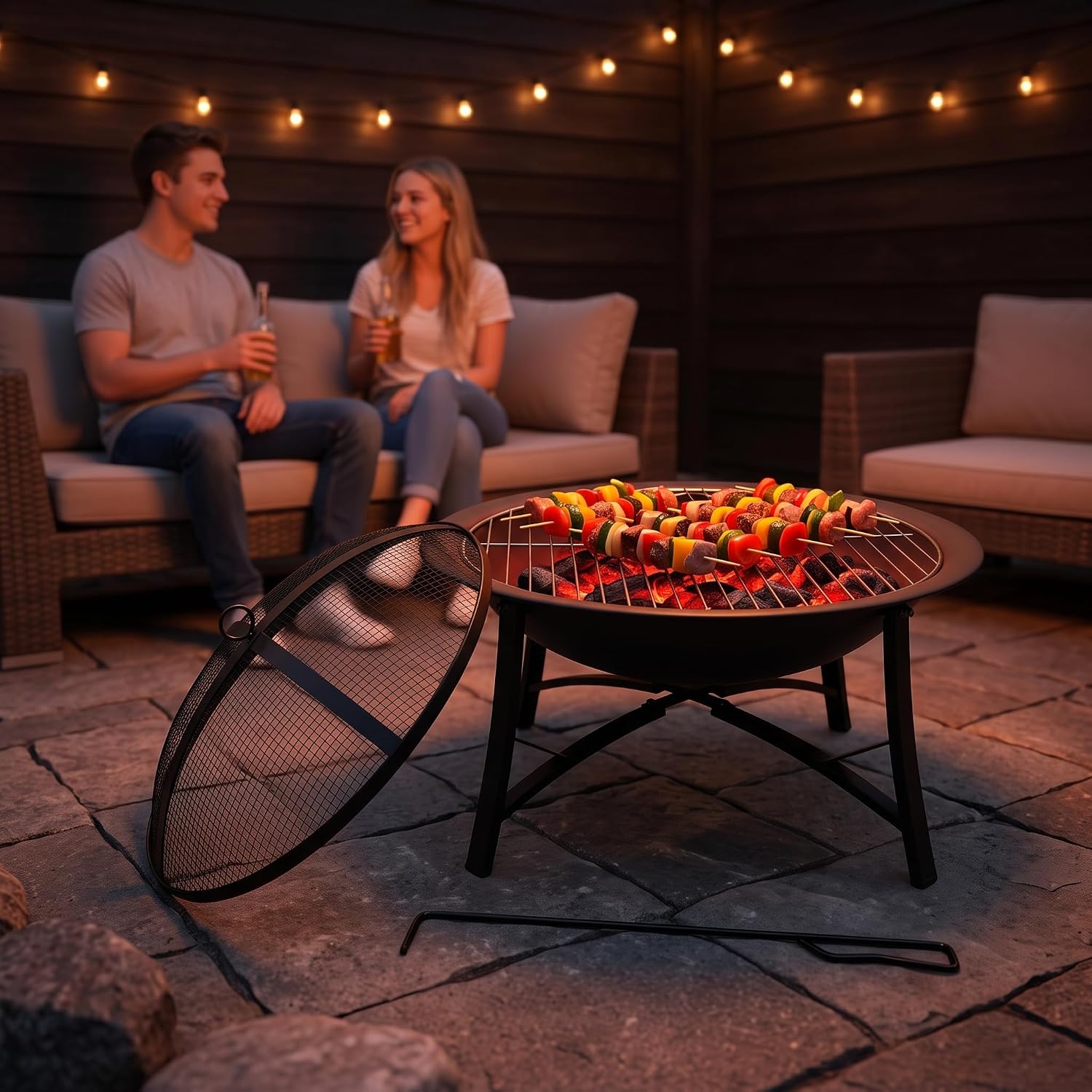
Fire Beauty Wood Burning Fire Pit, 2-in-1 BBQ Grill for Backyard Camping |...
Cheap, real fire, good for beginners
Rusts fast, uneven heat
Prices and availability were captured from Amazon Creators API and may change.
I tested five pits over two seasons, leaving them out all winter uncovered to see which ones survive. I cooked on each one at least a dozen times: steaks, burgers, foil packets, corn on the cob, even a full chicken on a rotisserie attachment.
I measured surface temperature with an infrared thermometer, tracked how long each pit took to reach cooking-ready coals, and checked the heat radius at two, four, and six feet.
I also read through dozens of real buyer reviews, looking for complaint patterns rather than one-off gripes.
How I tested
The method is simple: build a fire, wait for coals, cook. I timed how long each pit took from match to cooking-ready. I noted where the hot spots were, whether the smoke followed me around the pit, and how much ash cleanup I had to deal with afterward. I also tested in wind, rain, and one miserable November night that had me questioning my life choices.
Our pick: Solo Stove Ranger
Solo Stove Ranger
The Solo Stove Ranger is the pit I reach for when I want to cook without smelling like a campfire for three days. The double-wall design creates secondary combustion, which means almost no smoke. That's not marketing talk; I've stood over this thing with my eyes dry while my neighbor's cheap pit had me moving my chair three times.
It burns hot and clean, producing a bed of coals in about twenty minutes. The cooking surface is small, around 15 inches, but it handles two steaks or a cast iron skillet without complaint.
The steel is heavy-gauge, not the stamped stuff that rusts through in a season. Three years in, mine still looks new, even after spending all winter uncovered on my deck. The ash cleanup is the best in the business: everything falls through the holes into the ash pan, and you dump it in the trash in thirty seconds.
At $200, it's not cheap. The stand is sold separately, which is criminal. But the cost per day math works out: $200 for a pit that lasts five years is eleven cents a day. The $90 bowl that rusts by September costs sixty cents a day. The cheap one costs more.
Flaws but not dealbreakers: The cooking surface is small. You're not feeding a crowd on this thing. And the stand, sold separately for another $50, feels like a money grab. But the smokeless performance and durability make it worth it.
If you want to cook over a fire without smelling like one, and you're okay paying for quality, this is the one.
Runner-up: Breeo X Series 24
The Breeo X Series 24 is the Cadillac of fire pits, and like a Cadillac, it's heavy. This thing weighs around 80 pounds. You need a forklift to move it, or at least a friend who owes you a favor. But the heavy-gauge steel is what makes it last. I've left mine out all winter, uncovered, and it looks the same as the day it arrived. The rust resistance is real.
The cooking situation is flexible. Breeo makes a grill grate that sits over the fire bowl, and it works well for steaks and burgers. The heat output is excellent, with a cone of heat that extends to six feet on a calm night. The fire bowl is deep enough to hold a good bed of coals, which is what you want for cooking. The smoke follow is minimal, thanks to the air intake design.
At $500, it's not cheap. But the cost per day works out to about twenty-seven cents over five years, and it'll likely outlast me. The weight is the real issue. If you plan to move it around your yard, think twice. If it stays in one spot, this is the best cooking pit I've used.
One buyer from June said, "The quality is obvious, but I hurt my back moving it into place." Mine sat in my truck bed for a week while I figured out how to get it to the patio.
Flaws but not dealbreakers: It's absurdly heavy. And the grill grate is sold separately, pushing the total cost over $600. But the durability and heat output make it a buy-once, cry-once situation.
If you want a pit that'll outlive you and you don't mind the weight, this is the one.
Upgrade pick: Outland Living Cypress
The Outland Living Cypress is a gas pit, and I know what you're thinking: no crackle. You're right. There's no crackle. There's also no smoke, no ash cleanup, and no waiting forty minutes for coals. You turn a knob, push a button, and you're cooking in under ten minutes.
The heat output is consistent, which is what you want for cooking. I've grilled burgers on this thing with the same predictability as my kitchen stove. The propane tank sits in a hideaway compartment, so you don't see it, which addresses the biggest complaint I've seen in gas pit reviews. The 19-inch cooking surface handles a cast iron skillet or a few burgers without crowding.
The downside is the regulator. I've seen multiple buyers report that it freezes in cold weather, and mine did the same in November. The flame sputtered and died, leaving me with a half-cooked steak and a lighter. It's a known issue, not a one-off.
At $330, it's priced in the sweet spot. The cost per day over three years is thirty cents, which is reasonable for the convenience.
Flaws but not dealbreakers: No crackle, obviously. And the regulator issue is real, though it's manageable if you're not cooking in freezing temperatures.
If you want convenience, no smoke, and a clean patio, and you can live without the sound of wood, this is the one.
Budget pick: Simple fire bowl with grill grate
The $90 stamped-steel bowl from the big-box store is where I started, and it taught me everything about what not to buy. The fire bowl rusted through by September, and the grill grate warped after a dozen uses. The heat was uneven, with hot spots that burned one side of a steak while the other stayed raw.
But here's the thing: it works. I cooked some of my best meals over that rust bucket before it gave out. The crackle is real, the smoke is part of the experience, and the price means you don't cry when it dies. If you're just starting out and you're not sure you'll use a fire pit regularly, this is the cheap way to find out.
The cost per day math is brutal: $90 for a pit that lasts five months is sixty cents a day. You'll buy twice. But the first one teaches you what you actually need.
Flaws but not dealbreakers: It rusts, it's uneven, and the grate warps. But it's cheap enough to be a learning tool.
If you want to try cooking over a fire without a big investment, this is the one. Just plan to upgrade.
The competition
I tested a few others that didn't make the cut. The Yaheetech stamped-steel pit rusted within a month, with buyers describing "surface rust the size of quarters" and powder coating flaking off in the first season.
The Amazon Basics pit had stripped bolts during assembly and a fire bowl that warped on the second burn.
The Tiki Brand smokeless pit pushed smoke sideways, leaving my eyes burning and my chair three feet from where I started.
The common thread: cheap steel and bad airflow. These are engineering problems, not cosmetic ones. No amount of marketing can fix a pit that rusts through or a "smokeless" design that just redirects the smoke.
Tools that survive
You don't need much to cook over a fire pit, but what you buy matters. A cast iron skillet is essential; it handles heat unevenly better than anything else. A long-handled spatula and tongs keep you away from the heat. A digital meat thermometer takes the guesswork out of doneness. And a good chimney starter gets your coals ready in fifteen minutes instead of forty.
The one thing I always have on hand: a spray bottle of water to knock down flare-ups. It's saved more dinners than any gadget.
The first burn
The first burn on any new pit is a learning experience. The paint and factory residue burn off with a smell that's somewhere between chemicals and regret. Don't cook on the first burn. Let it season for an hour, then start your real fire. This applies to every pit, budget or premium.
The bottom line
Cooking over a fire pit isn't hard, but it's not the same as cooking on a stove. You need to manage heat zones, wait for coals, and accept that some dinners will be charcoal. The Solo Stove Ranger is my pick for most people: smokeless, durable, and easy to clean.
The Breeo X Series 24 is for those who want the best and don't mind the weight. The Outland Living Cypress is for convenience seekers who can live without the crackle.
And the cheap bowl is for beginners who want to learn before they commit.
Spend the money upfront or plan to buy twice. That's the whole review.