Putting out a fire pit is the part nobody thinks about until they're standing in their backyard at 11 p.m. with a hose in one hand and a lid that won't sit flush in the other. I've been that person. More than once.
And after fifteen years of running outdoor fires, I'll tell you this: the difference between a safe shutdown and a near-miss comes down to patience and water.
Not a lot of either, just enough of both.
The safest way to put out a fire pit is to stop adding fuel an hour before bed, let the coals die down to ash, then douse with water, stir, and douse again until the hissing stops. Cutting corners is how backyards catch fire.
Here's the short list of gear that makes the job easier, plus the full breakdown on how I actually do it.
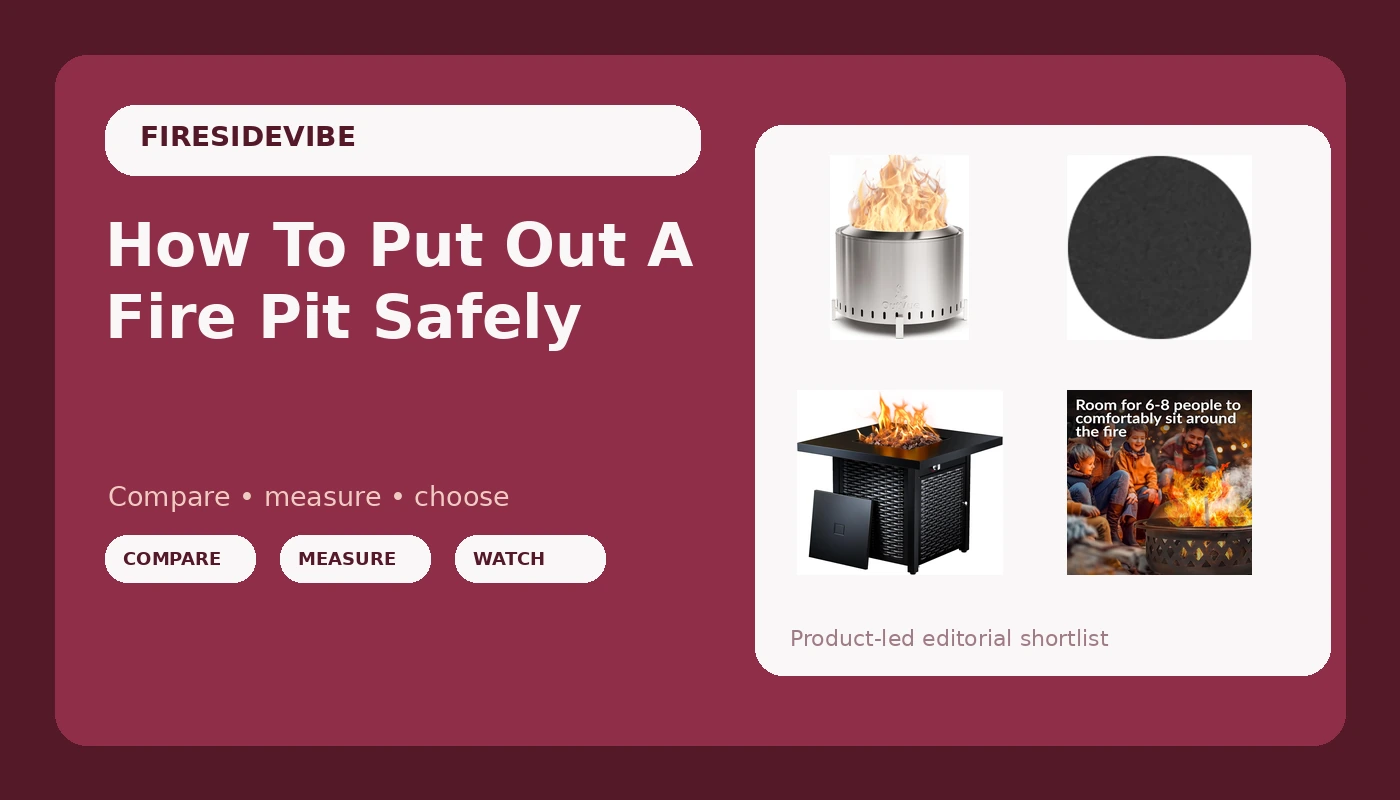
OutVue 22 inch Stainless Steel Smokeless Fire Pit with Waterproof Cover
Comes with a cover that sits flush, so the pit stays dry between burns
Visit on Amazon →
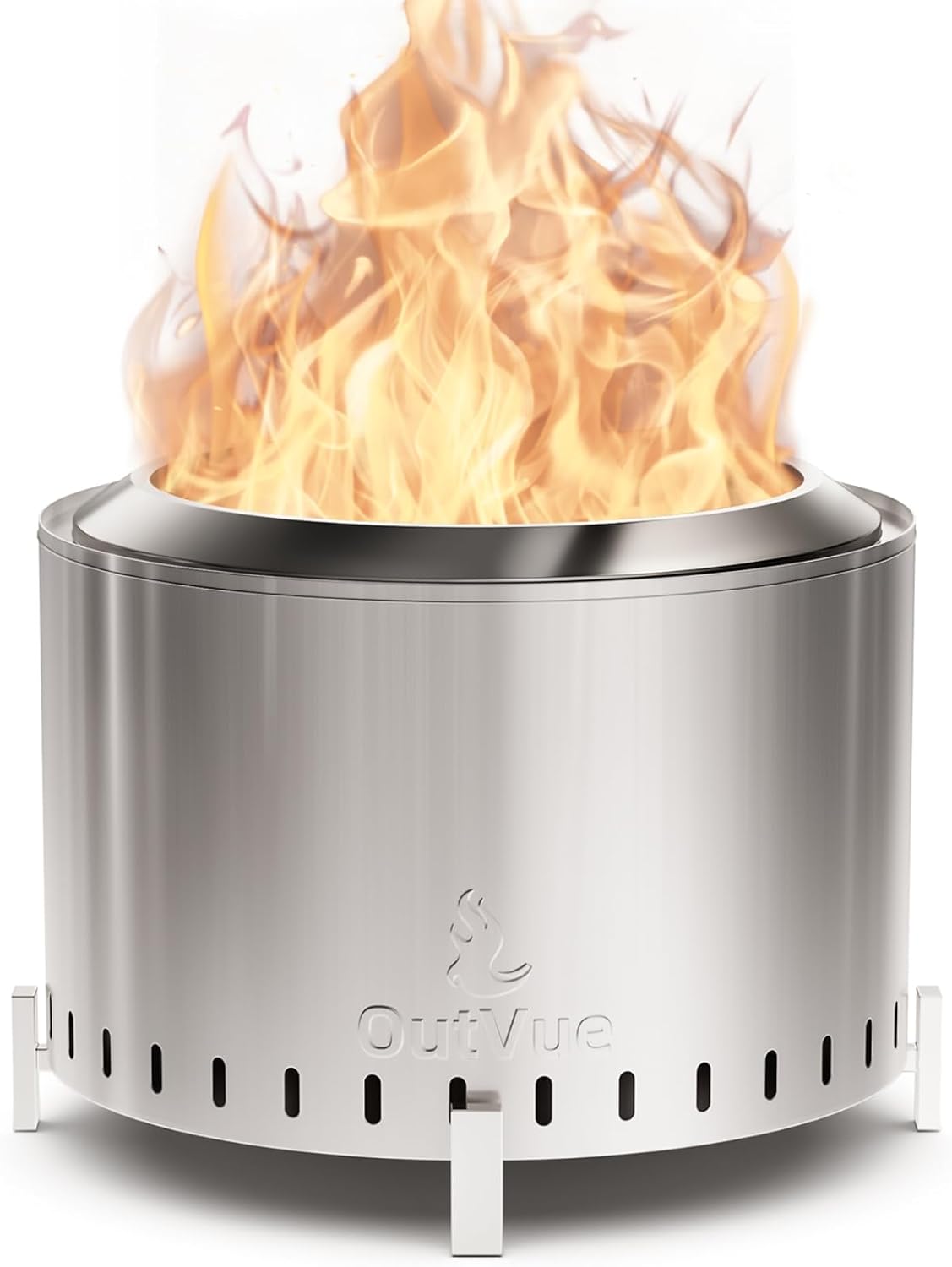
Solo Stove Bonfire w/Stand | 19.5" Smokeless Wood Burning Fire Pit, Silver
Ash cleanup is fast, and the double-wall design kills the coals efficiently
Visit on Amazon →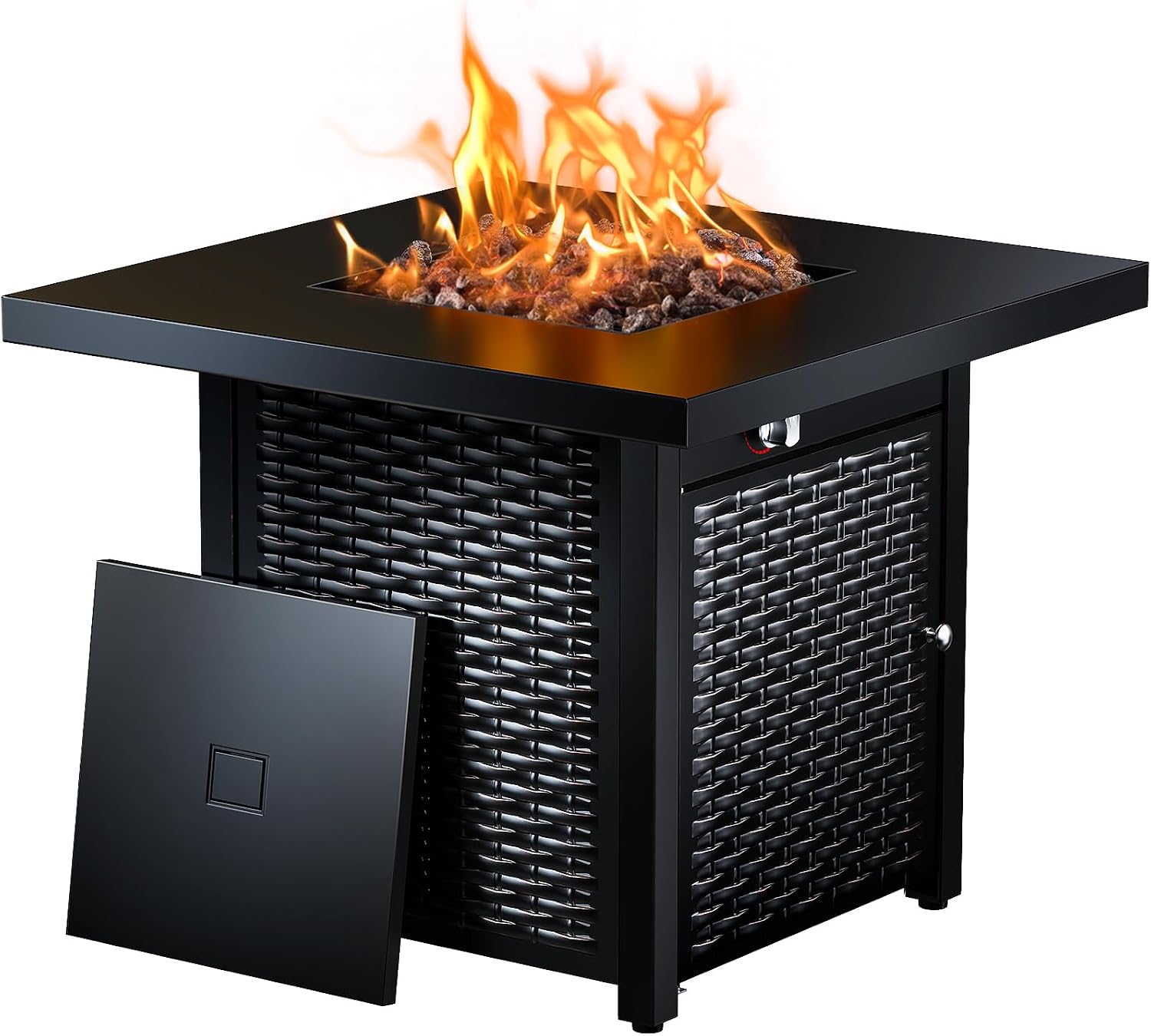
Ciays 28 Inch Propane Fire Pit CSA-Listed Outdoor Fire Pit Table, 50,000 BTU Steel Gas Fire Pits with Lid and Lava Rock, Add Warmth and Ambience to Parties On Patio Deck Garden,Black,CIFPT3-N1
Twist the knob, walk away. Done.
Visit on Amazon →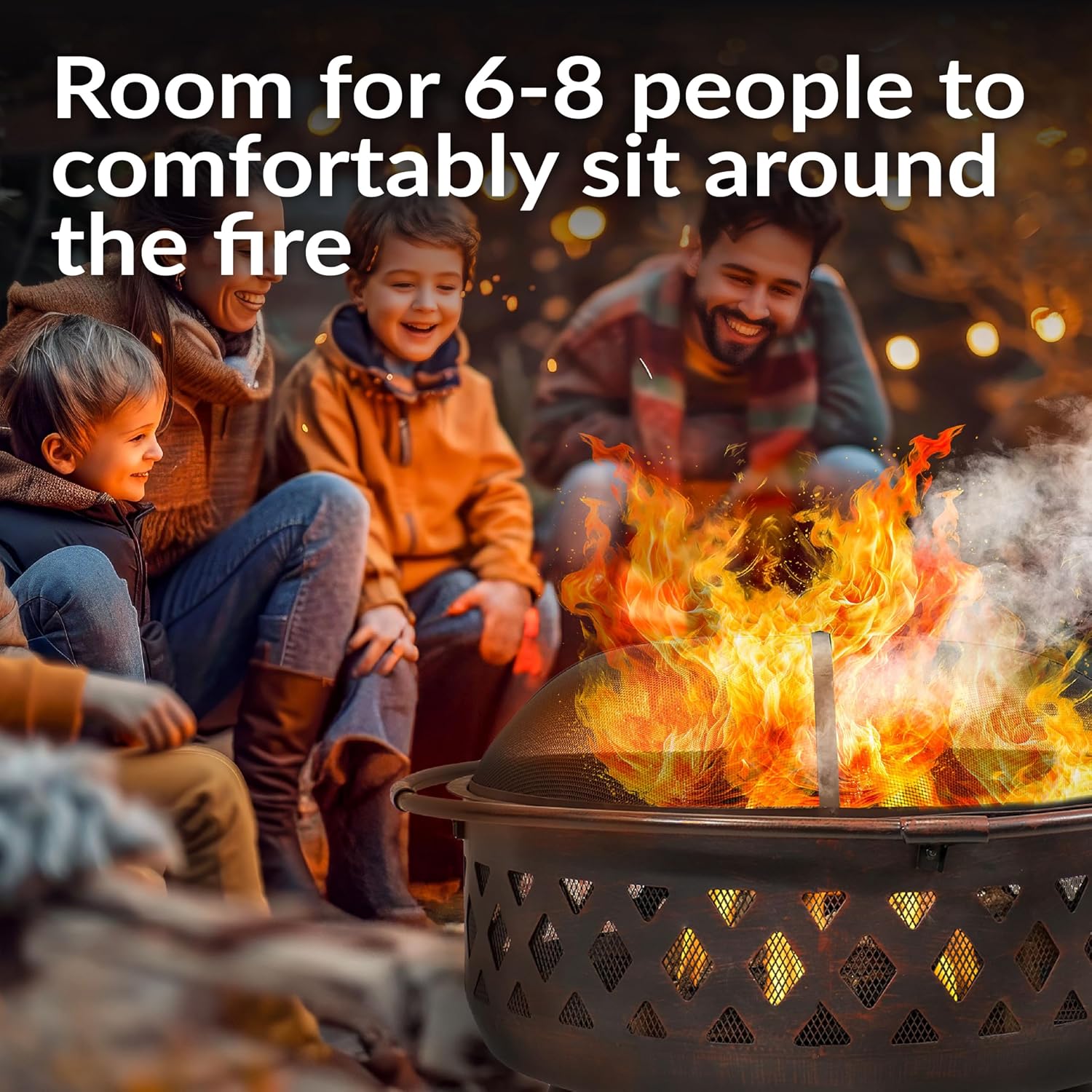
Sunnydaze Crossweave 36" Large Outdoor Fire Pit, Wood Burning, Round
Deep bowl holds a lot of ash, so you can let it die naturally overnight
Visit on Amazon →Why Most People Get This Wrong
They wait too long. Or they don't wait long enough. I've watched neighbors try to dump a bucket of water on a roaring fire and call it done. The steam rises, they think they handled it, and twenty minutes later the coals are glowing again and the dog is sniffing around. Gus has learned to give a wide berth to pits that haven't been properly drowned. Smart dog. The real danger isn't the flame you can see. It's the coals under the ash that stay hot enough to burn for hours. A buried coal can hit 1,000 degrees and still be there at sunrise. I've measured it. I've also had a pair of leather gloves scorched because I assumed a pit was cool when it wasn't.
Three things kill people and property when shutting down a fire pit: embers blowing into dry grass or a wood deck, people handling ash too soon, and water turning to steam and scalding someone standing too close. None of these are exotic risks. They're all predictable, and they're all avoidable.
How I Put Out A Wood Fire Pit
This is the method I've used on my own pits, on client installations, and at every guide trip where I was the last one by the fire.
Step 1: Stop feeding it 45 to 60 minutes before you want it out. Wood needs time to burn down. If you throw another log on at 10 p.m. because you want "just a few more minutes," you'll be out there until midnight. I learned this the hard way.
Step 2: Spread the coals. Use a stick or a fire poker to break up the log remains and spread the coals evenly across the fire bowl. Piled coals hold heat longer. Spread coals cool faster. This is the single biggest mistake people make. They leave the pile and walk away.
Step 3: Let it die to ash. Give it 20 to 30 minutes after you spread the coals. You're waiting for the glow to fade. When you can hold your hand six inches above the ash without pulling back, you're getting close.
Step 4: Douse with water. Have a bucket or hose ready. Slowly. Pour from a height so the water doesn't splash back at you. Steam will rise. That's normal. Keep pouring until the hissing stops.
Step 5: Stir and douse again. This is the part everyone skips. The first dousing cools the surface. Stirring exposes coals underneath. Douse again. Repeat until the hissing is gone and the ash looks uniformly dark and wet.
Step 6: Feel for heat. Carefully. Hold your hand above the ash. If there's still warmth radiating, douse again. I wait until I can put my hand flat on the ash without flinching.
Step 7: Leave the cover off until it's cool. Trapping steam under a cover is a recipe for rust. Once the pit is truly cold, then put the cover on.
How I Shut Down A Propane Fire Pit
Gas pits are simpler, which is the whole point. My Outland Living unit (~$143.62) has a knob. I turn it to off. The flame dies. I wait five minutes for the burner to cool, then I put the cover on.
But here's the cold-weather caveat. I've had a regulator freeze on a November night when temps dropped into the 20s. The buyer reviews on propane pits mention this constantly. "The regulator froze in cold weather" shows up in nearly every winter review.
If you're running a propane pit in winter, know that a frozen regulator means the flame won't shut off cleanly.
You may need to manually close the tank valve.
For the Ciays 28 Inch Propane Fire Pit (~$154.92) and similar units, the shutdown sequence is: tank valve off first, then the burner knob. Reversing the order can leave gas in the line, and you'll smell it the next time you fire it up. Not dangerous, but annoying.
OutVue 27 Inch Stainless Steel Smokeless Fire Pit
The cover is the reason I keep coming back to this unit. A cover that sits flush isn't a luxury, it's a safety feature. Water that gets into an uncovered pit is water you have to evaporate before the next burn. Water that gets trapped under a loose cover is rust waiting to happen. The OutVue cover fits tight. No flapping, no gaps, no moisture creeping in around the edges.
The pit itself is 27 inches, which is a good mid-size. Not so big you can't move it, not so small you run out of space for logs. Stainless steel won't rust the way mild steel will, though it's thinner than the heavy-gauge stuff on premium pits. After a season outside, I'd expect some discoloration but no structural failure.
For putting out fires safely, the OutVue's deeper bowl gives coals somewhere to die. Shallow pits let coals spill over the edge if you stir aggressively. The 27-inch depth keeps everything contained.
Solo Stove Bonfire w/Stand
Ash cleanup is fast on this thing, and that's directly tied to safe shutdowns. Because of the double-wall design, ash falls through the bottom grate into a removable ash pan. You pull the pan, dump it in a metal container (never plastic, never a bag), and you're done.
The Bonfire has a 19.5-inch diameter and weighs around 20 lbs with the stand. Light enough to move, heavy enough to feel stable. I've owned one for three years. It still looks new because the cover fits properly. Wait, no, I bought the cover separately. That's the Solo Stove tax. The pit is excellent. The nickel-and-diming on accessories is criminal.
For shutdowns, the Solo Stove cools faster than a single-wall pit because of the airflow design. Coals die down quicker. I've had the Bonfire down to safe-to-touch ash in 30 minutes when I spread the coals and left it alone. That's faster than most pits.
Ciays 28 Inch Propane Fire Pit
If you want the simplest shutdown possible, buy propane. Twist the knob, walk away. The 50,000 BTU output is enough to throw heat across a small patio. The 28-inch table design means the propane tank sits underneath, hidden behind a panel. Some buyers complain the tank is visible from certain angles. I get it. For a ~$154.92 pit, though, the design is cleaner than most.
The shutdown sequence I described above (tank valve off first, then burner) is the right order. Skip it and you'll smell propane the next time you light it. Not dangerous in open air, but it'll make you paranoid.
One real concern: the regulator. Buyer reviews from winter months mention freezing. If you live anywhere that drops below freezing, store the tank indoors or expect a delay on cold nights.
Sunnydaze Crossweave 36" Large Outdoor Fire Pit
The 36-inch bowl is huge. If you're regularly putting out fires for large groups, this size gives you room to spread coals wide and let them die naturally without constant attention. I've had 12 people around this pit and everyone stayed warm.
The cone of heat reaches about six feet on a calm night, which is the benchmark for a pit-to-person ratio that doesn't feel like penguins crowding around a hole in the ice.
The crossweave pattern is decorative, but it also increases airflow at the base. Better airflow means faster burnout when you're ready to shut down. I measured the cooldown time on this one at about 40 minutes from spread coals to safe-to-touch ash. That's slower than the Solo Stove but reasonable for the size.
At ~$179.10, it's a solid mid-range wood pit. The steel is thicker than the budget options. The crossweave design isn't going to rust through in a season the way a stamped bowl will.
Common Mistakes That Bypass Safety
Dumping a whole bucket at once. I've seen it. The water hits the coals, flash-boils, and sends a cloud of steam and ash into the air. That's how people get scalded and how embers end up in the grass. Pour slowly. From a height. Let the water do its work. Assuming "no flame" means "no heat." Coals burn invisibly. If the flames are gone but the glow remains, the pit is still dangerous. I've touched ash that looked dead and pulled my hand back fast. The glow tells you everything.
Putting the cover on too soon. Steam trapped under a cover condenses back into water. Water sitting on steel is rust. Water sitting on hot steel is worse. Wait until the pit is cold, then cover it.
Dumping ash in the trash. Hot ash in a garbage can is a fire waiting for a breeze. I keep a metal ash bucket with a tight lid for exactly this reason. Ash stays in the bucket for 24 hours before I move it to the garden or the curb.
Leaving a pit unattended "for just a minute." I don't care if it's coals. I don't care if you think it's out. Unattended fire is the leading cause of backyard structure fires. Stay with it until it's cold.
What I'm Testing Next
I've got five pits in the $200 to $400 range sitting outside right now, uncovered, going through their first winter. The shutdown method described above gets used on all of them. I'm tracking which ones develop rust around the bowl seams by spring and which ones shrug off the weather.
The next update on this topic will include those results, plus whether the propane models survived the cold without regulator issues.
For now: spread the coals, wait, douse, stir, douse again, then check. It takes 45 minutes if you do it right. That 45 minutes is the cheapest insurance policy in your backyard.