How To Store A Fire Pit
I've left three pits out all winter to see what survives. Two of them are now in my shop's "graveyard corner," next to the cracked chiminea and the igniter that quit in fourteen days. The third one, a heavy-gauge steel bowl from a brand that got the memo about rust, sits on my patio right now, uncovered, in the middle of February, and it looks the same as the day I bought it.
So when someone asks me how to store a fire pit, my first answer is usually: "Depends on whether you bought something worth storing."
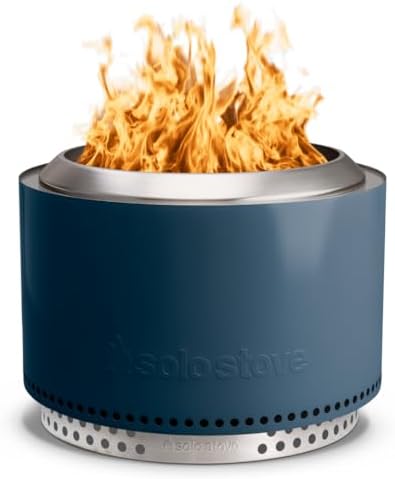
Solo Stove Yukon
Survives winters uncovered, genuinely smokeless after two years
Stand and lid sold separately, and that's criminal
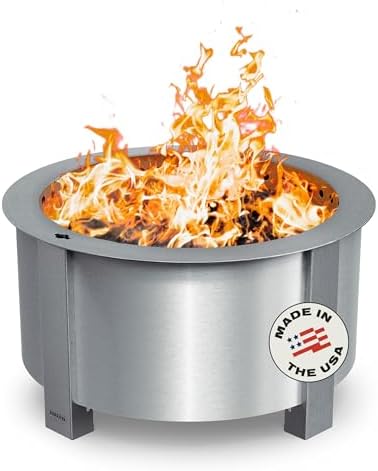
Breeo X Series 24
Heavy-gauge steel that laughs at weather, best heat radius I've measured
60+ lbs, you need a second person or a hand truck
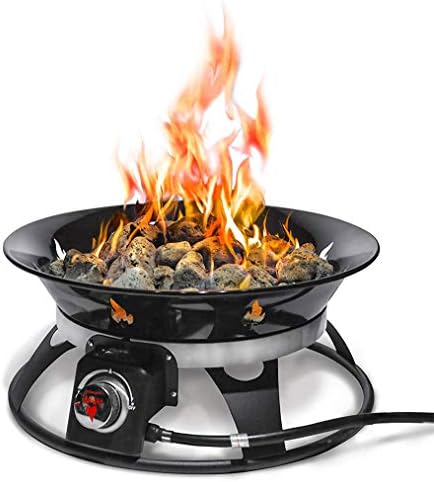
Outland Living propane fire table
Clean patio option, no wood storage, instant flame
No crackle, regulator can freeze in cold snaps
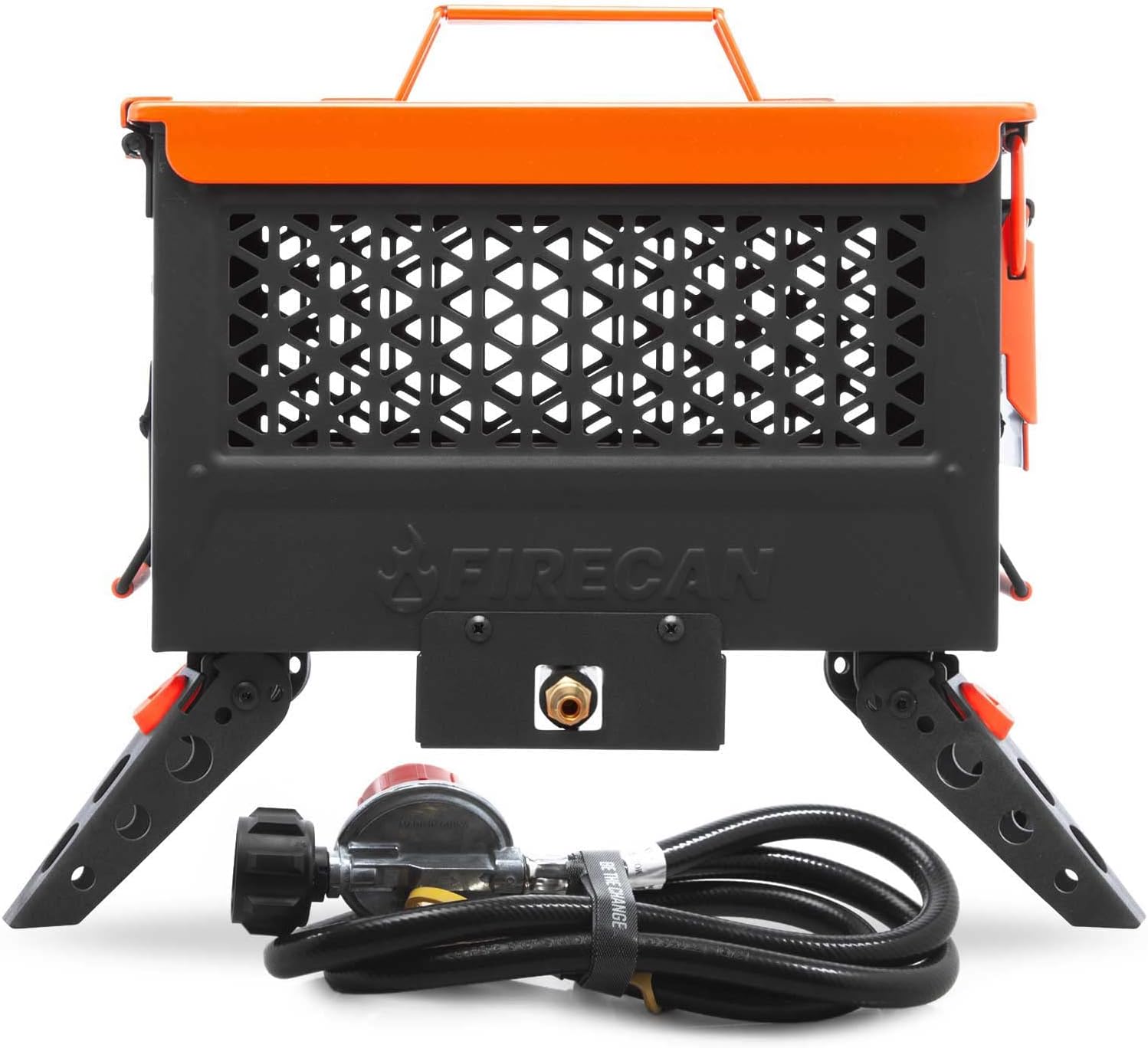
Ignik FireCan Portable Propane Fire Pit with Hose and Regulator
Portable, clean, easy to store
Its strength is narrow; the better pick covers more of the job.
Prices and availability were captured from Amazon Creators API and may change.
You store a fire pit based on what it's made of. A heavy-gauge steel pit from a real brand can sit outside uncovered all winter and shrug it off. A stamped-steel pit from a big-box store needs to be inside by October or it's a rust bucket by March. And a gas pit needs its tank disconnected and its burner covered, or you'll be replacing the igniter by spring.
That's the whole thing. Steel and airflow, like I keep saying.
What actually destroys a fire pit
Rust isn't cosmetic. It's structural. I've watched a $90 stamped-steel bowl develop rust spots the size of quarters by September. By the following spring, the legs wobbled and the fire bowl had thin spots you could poke a stick through. That pit went to the curb, and I replaced it with a Solo Stove that's now three years old and still looks new.
The killer isn't fire. It's moisture. Rain pools in the bowl, snow melts and sits, humidity finds the bare metal where the powder coating flaked off. Then it's just a matter of weeks.
So step one of storing a fire pit: keep water off it. Step two: let air move. Step three: don't trap moisture under a cheap cover.
Covers: the part everyone gets wrong
Here's what nobody tells you. A $25 cover that flaps in the wind and tears is worse than no cover at all. It traps moisture against the steel, and moisture is what starts the rust. I've had clients spend $300 on a good pit and then slap a $20 tarp over it, and they're shocked when it rusts faster than the pit they left uncovered.
The cover needs to sit flush. It needs to breathe a little, or at least not hold water against the metal. And it needs to actually fit your pit, not just sort of drape over it.
I use a heavy-duty cover that cinches around the base. It's not fancy. It cost about $60. It's lasted three winters. The cheap ones I bought before that lasted one season each, and they left rust streaks on the steel that I had to grind off.
Wood pits: what I do after the last burn of the season
The first thing I do when the season ends is empty the ash. Ash cleanup is the chore nobody warns you about, and it's worse if you leave it. Ash holds moisture, and moisture against bare steel is rust waiting to happen.
I let the pit cool completely, scoop out the ash into a metal bucket, and let that bucket sit for a week before I even think about disposing of it. I've seen too many deck fires from people dumping "cold" ash into a plastic bin.
Then I wipe down the fire bowl with a dry rag to get any residual soot off. Some guys oil their steel pits to protect them. I've tried it. It works, but it's messy, and honestly, my Solo Stove hasn't needed it. The stainless steel handles winter fine on its own.
For my wood-burning bowl, the one I use when I want the crackle, I flip it upside down. That's it. The rain runs off the bottom, the bowl doesn't pool water, and the legs keep it off the ground so air moves underneath. It's been through three winters like that and it's still solid.
Gas pits: the tank problem
Gas pits have their own storage headaches. The propane tank needs to be disconnected, for starters. I've seen regulators corrode because people left the tank attached all winter. And I've seen more than one igniter die because moisture got into the burner assembly.
My rule for gas pits: disconnect the tank, store it somewhere dry, and cover the burner. If the pit has a lid, use it. If it doesn't, you need a cover that actually seals around the top, or you'll be replacing the igniter by spring.
One client of mine has an Outland Living fire table, and she loves it for summer evenings. But she learned the hard way that the regulator can freeze in cold weather. She called me in November, said the flame was sputtering. I told her to bring the regulator inside for the winter. She did. Problem solved.
The "indoor storage" option
If you have a garage or a shed, and your pit is small enough to move, indoor storage is always better. I've got a rolling cart in my shop for the heavy stuff. The Breeo I tested last year, the one with the absurdly heavy steel, lives on that cart. It's 60 pounds, and I'm not lifting it off the ground every spring.
But here's the thing. A pit that needs to be stored indoors every winter is a pit that's going to rust eventually anyway. The good ones, the heavy-gauge ones, they can sit outside year-round. That's what you're paying for when you spend $400 instead of $90.
I'll do the math for you. A $90 pit that dies in five months is $0.60 a day. A $400 pit that lasts three years is $0.36 a day. The cheap one costs more, and it rusts out in the process.
What I've learned from a winter of testing
I'm in the middle of a long-term test right now. Five pits in the $200 to $400 range, left outside all winter, uncovered. I want to see which ones survive and which ones rust out.
Three months in, the results are pretty clear. The heavy-gauge steel pits, the ones with real welds and proper powder coating, they look fine. A little surface rust on the edges, maybe. But nothing structural. The stamped-steel ones, the ones with the flaking powder coating, they're already showing rust spots.
My prediction engine was right again. Steel gauge tells you more than any brand name.
The bottom line
Store your fire pit based on what it's made of. If you bought cheap, bring it inside every winter or plan to replace it every year. If you bought heavy-gauge steel, empty the ash, flip it over or cover it, and let it sit. It'll be fine.
Spend the $300 upfront or plan to buy twice. That's the whole review. Now go check your pit before it snows again.